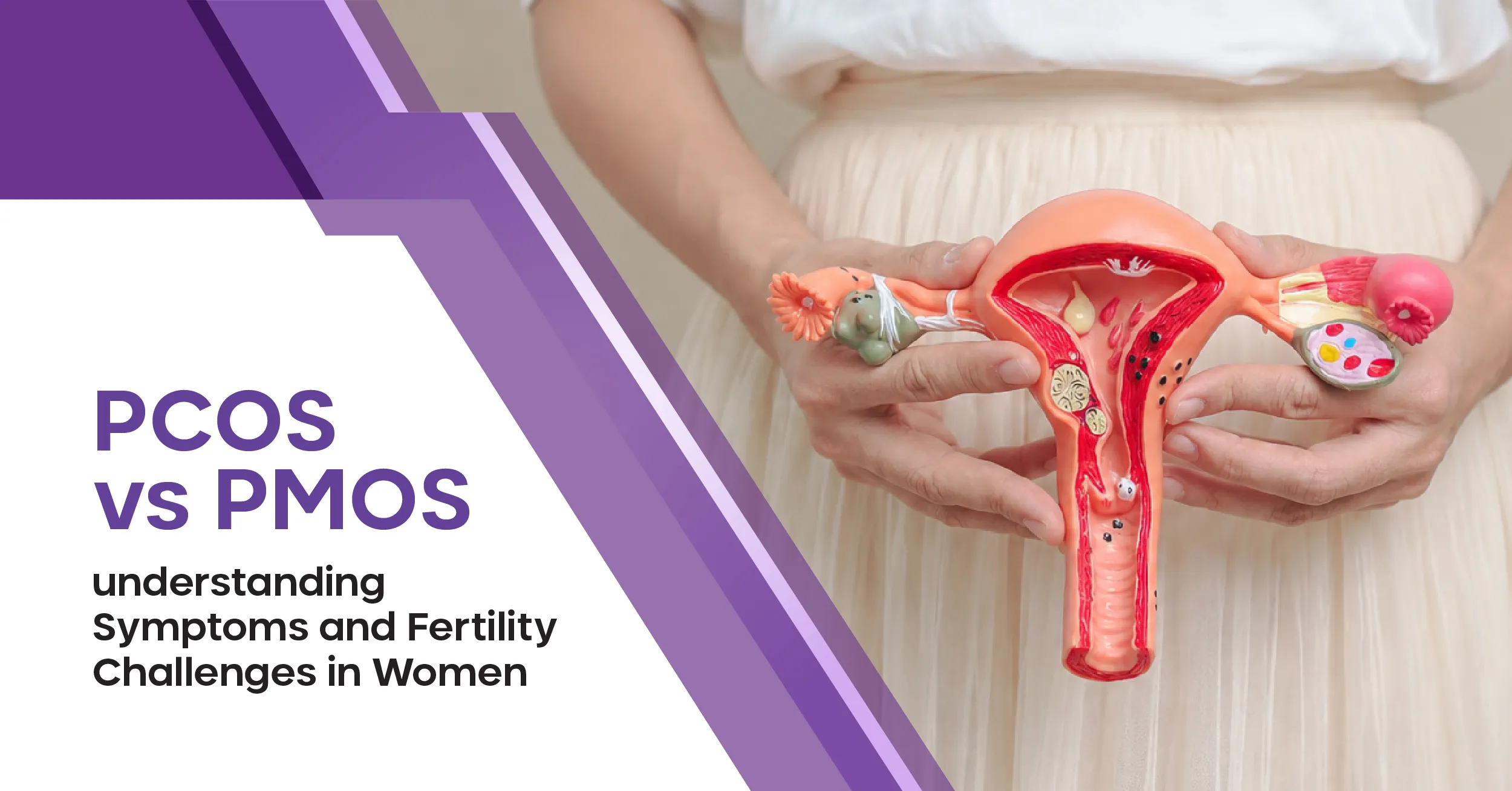
For many women, irregular periods, sudden weight gain, acne, or difficulty getting pregnant are often ignored as temporary lifestyle issues. But sometimes, these symptoms point to a deeper condition linked to hormonal imbalance and reproductive health. One such condition is PCOS, which is now increasingly being referred to as PMOS or Polyendocrine Metabolic Ovarian Syndrome.
The change in terminology is helping doctors explain that this condition is not only about ovaries. It also affects metabolism, insulin levels, hormones, fertility, and overall health. Many women continue to struggle with symptoms for years without proper diagnosis or the right PCOS treatment.
Understanding the difference between PCOS and PMOS, the symptoms involved, and the impact on fertility problems can help women seek timely medical care and improve long-term health outcomes.
What is PCOS and Why is it Now Called PMOS?
PCOS, or Polycystic Ovary Syndrome, is one of the most common conditions affecting women of reproductive age. It is linked to hormonal imbalance that affects ovulation and menstrual cycles. Recent medical discussions are increasingly using the term PMOS because the condition affects multiple systems in the body and not just the ovaries.
Women with this condition may experience irregular periods, excess androgen levels, acne, unwanted facial hair, weight gain, insulin resistance, and fertility problems. According to medical experts, many women remain undiagnosed because the symptoms can vary from person to person.
The newer term PMOS highlights the metabolic and endocrine impact of the condition. However, both names currently refer to the same disorder, and the approach to PCOS treatment remains focused on symptom management, fertility support, and hormonal regulation.
Common Symptoms Women Should Not Ignore
Many women normalize symptoms for years before seeking help from a women health specialist. The condition often develops gradually, and symptoms may become more noticeable in the late teens or twenties.
Some of the most common symptoms include:
- Irregular or missed periods
- Difficulty in ovulation
- Acne and oily skin
- Weight gain around the abdomen
- Excess facial or body hair
- Hair thinning or hair fall
- Dark patches around the neck or underarms
- Trouble conceiving
All these symptoms are connected to hormonal imbalance, especially changes in insulin levels and androgen hormones. In many cases, women only discover the condition after facing fertility problems while trying to conceive.
PCOS vs PMOS: Is There a Difference?
| Aspect | PCOS | PMOS |
|---|---|---|
| Full Form | Polycystic Ovary Syndrome | Polyendocrine Metabolic Ovarian Syndrome |
| Main Focus | Ovarian and reproductive symptoms | Hormonal and metabolic health |
| Hormonal Impact | Yes | Yes |
| Fertility Issues | Common | Common |
| Insulin Resistance | Present in many women | Strongly highlighted |
| Treatment Approach | Lifestyle changes, medications, fertility support | Similar treatment with broader metabolic focus |
The shift from PCOS to PMOS mainly reflects a better understanding of the condition. Doctors now recognize that the condition is strongly connected to metabolism, insulin resistance, cardiovascular risks, and long-term hormonal imbalance.
How Does PCOS Affect Fertility?
One of the biggest concerns associated with this condition is fertility problems. Women with PCOS or PMOS may not ovulate regularly, which means the ovaries may not release eggs consistently every month.
Without regular ovulation, conception becomes more difficult. Some women may experience delayed ovulation, while others may not ovulate at all. Hormonal imbalance also affects egg quality and menstrual regularity.
This does not mean pregnancy is impossible. With the right PCOS treatment, lifestyle changes, and medical support, many women successfully conceive and have healthy pregnancies.
Early diagnosis is important because untreated hormonal imbalance may increase the risk of complications such as diabetes, obesity, and pregnancy-related concerns later in life.
Why Early Diagnosis Matters
Many women wait until severe fertility problems appear before visiting a gynecology hospital. But symptoms like irregular periods, acne, or unexplained weight gain should not be ignored.
A women health specialist can evaluate symptoms through physical examination, blood hormone testing, ultrasound scans, and metabolic assessments. Early diagnosis allows doctors to start timely PCOS treatment and reduce future complications.
Managing stress, improving sleep, maintaining healthy eating habits, and regular exercise also play an important role in improving hormonal imbalance and reproductive health.
Women who seek medical guidance early often respond better to treatment and experience improved menstrual cycles and fertility outcomes.
Treatment Options for PCOS and PMOS
There is no single cure for the condition, but several effective treatment options are available depending on symptoms and fertility goals.
A gynecology hospital may recommend:
- Lifestyle modifications for weight and insulin management
- Medications to regulate periods
- Ovulation support for women trying to conceive
- Hormone management therapies
- Nutritional guidance and metabolic monitoring
The right PCOS treatment plan depends on the individual’s symptoms, age, and reproductive goals. Since every woman experiences the condition differently, treatment must be personalized and monitored carefully by a women health specialist.
Why Choose Sri Ramakrishna Hospital for Women’s Health?
When it comes to managing hormonal imbalance and fertility problems, expert medical guidance makes a significant difference. Sri Ramakrishna Hospital offers comprehensive care for women dealing with PCOS and PMOS symptoms.
As a trusted gynecology hospital, the hospital provides advanced diagnostic facilities, experienced gynecologists, fertility support services, and personalized treatment plans for women of all age groups.
The team of experienced women health specialist doctors focuses not only on symptom relief but also on long-term hormonal and reproductive wellness. From early diagnosis to advanced fertility care, patients receive compassionate support at every stage.
Whether you are facing irregular periods, struggling with fertility problems, or looking for the right PCOS treatment, timely care can help improve both reproductive and overall health.
Final Thoughts
PCOS and PMOS are more than just menstrual conditions. They are complex disorders linked to hormonal imbalance, metabolism, and fertility problems that can affect a woman’s quality of life if left untreated.
The good news is that early diagnosis, proper medical care, and lifestyle support can help women manage symptoms effectively and improve fertility outcomes. Seeking help from a trusted gynecology hospital and consulting an experienced women health specialist can make all the difference.
Understanding your body and paying attention to early signs is the first step toward better reproductive and hormonal health.