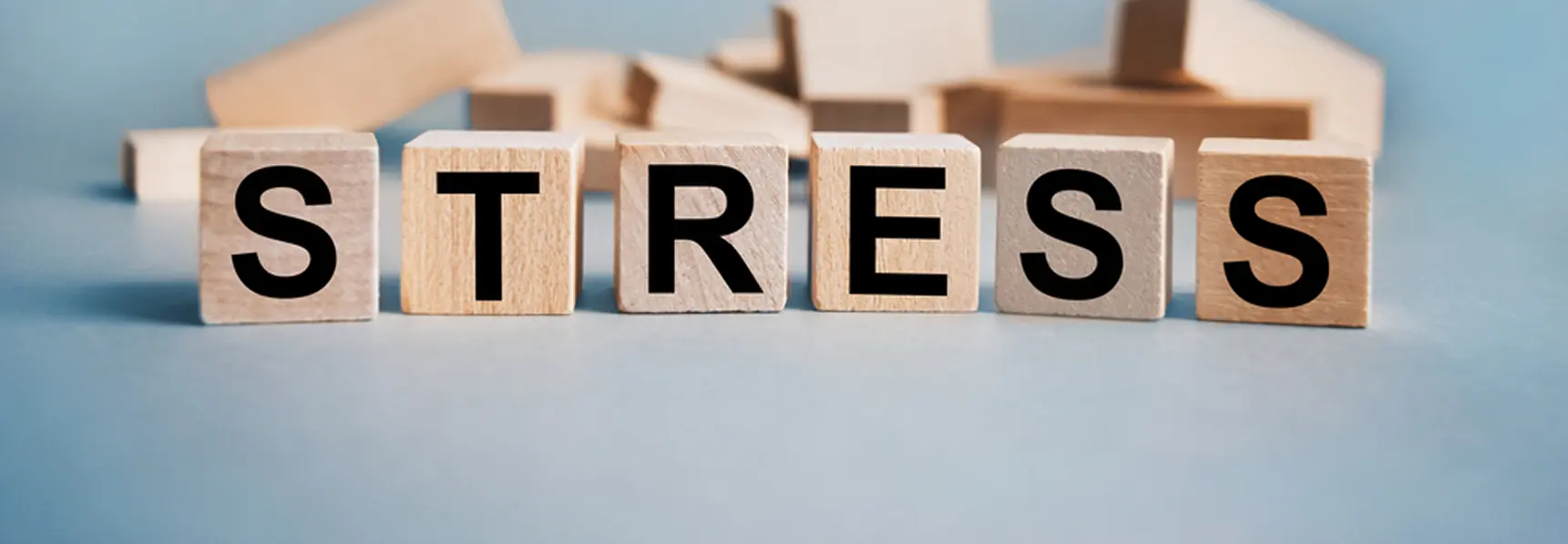
Stress is the body's natural response to a particular situation or challenges. It can affect in three different ways,

It can cause headaches, tension in the muscles, tiredness, or even digestive problems in some.

It can lead to irritability, anxiety, or sadness.

It can make it harder to focus, recall things or dates, or even make decisions.
While short-term stress can sometimes help us stay alert and motivated, long term stress has a negative impact on both mind and body.
Select all life events experienced in the past 12 months. Your total score predicts stress-related risk.
Disclaimer: This calculator is meant to help you assess yourself—it’s not a substitute for a medical diagnosis. For persistent or severe stress, it’s important to consult a qualified healthcare professional or psychologist for proper evaluation and treatment.
A stress calculator is an online tool that helps measure your stress levels based on lifestyle, emotions, and physical symptoms.
It gives an estimate using standard psychological questionnaires but is not a substitute for medical advice.
By answering self-assessment questionnaires like this calculator, tracking symptoms, or using wearable devices that monitor heart rate variability.
Yes, chronic stress can contribute to hypertension, diabetes, heart disease, and a weakened immune system.
Yes, workplace stress usually stems from job demands, deadlines, and work culture, while personal stress may come from relationships, health, or finances.


