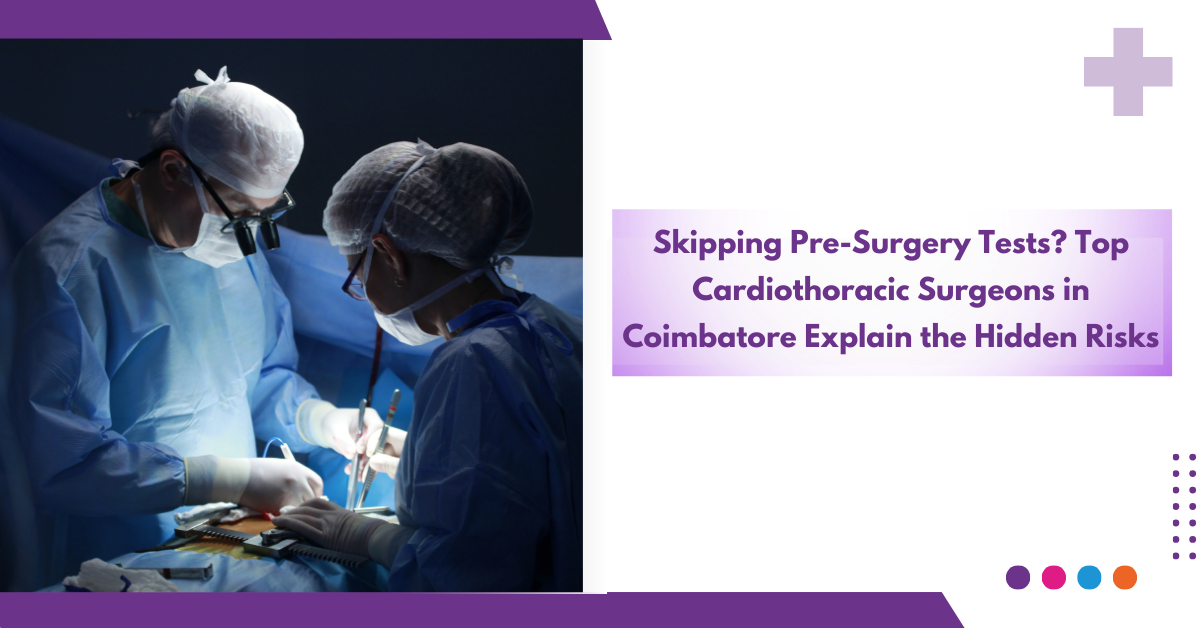
Surgeries are major procedures that require careful planning and preparation, especially for the heart and lungs. While many patients focus on the surgery itself, one crucial step is often overlooked, which is pre-surgery tests.
These pre-surgery tests may seem routine or unnecessary, but skipping them can lead to serious complications. In this blog, let’s see why doctors say these pre-surgery tests are essential for patient safety and what risks the cardiothoracic experts in Coimbatore want you to be aware of if you ignore them. Let’s get started.
What Are Pre-Surgery Tests?
Pre-surgery tests, also called preoperative tests, are medical assessments done before surgery to check your overall health and to ensure medical clearance for the procedure. They help doctors identify hidden heart conditions that could affect the surgery or your recovery. Common pre-surgery tests include:
-
Blood Tests:
These check hemoglobin levels, kidney function, blood sugar, and clotting ability.
-
Electrocardiogram (ECG):
This records your heart’s electrical activity to detect irregular heart rhythms.
-
Chest X Ray:
This shows the condition of your lungs and heart, helping doctors detect infections or structural issues.
-
Echocardiogram:
This test examines the heart valves and pumping function, especially important for heart surgeries.
-
Lung Function Tests:
These measure how well your lungs work, which is critical for surgeries involving the chest.
These pre-surgery tests are not meant to delay surgery. They provide important information that allows doctors to plan the procedure safely, avoid surprises during surgery, and ensure patient safety.
Why Cardiothoracic Surgeons Stress The Importance Of Pre-surgery Tests
Surgeries are complex, high risk procedures, especially if they involve the heart, lungs, or major blood vessels, called cardiothoracic surgeries. According to the best cardiothoracic surgeons in Coimbatore, pre-surgery tests are essential for several reasons:
1) Identifying Hidden Health Problems
Some patients may feel perfectly healthy but could have underlying issues such as high blood pressure, arrhythmias, or low oxygen levels. Pre-surgery tests reveal these hidden problems early.
2) Reducing Surgical Complications
If the surgeon knows about existing heart or lung issues, they can adjust the surgical plan, anesthesia, or medication to prevent complications during the operation.
3) Ensuring Safer Anesthesia
Anesthesia is critical during surgeries like cardiac related ones. Blood tests, ECGs, and other pre-surgery tests help anesthesiologists select the safest medication and dosage for each patient, allowing the doctors to plan prompt and safer cardiac treatment when required.
4) Improving Recovery Time
When doctors are aware of your medical condition, they can take preventive steps, reducing the risk of complications and promoting faster healing after surgery.
5) Personalized Surgery Planning
Every patient is different. Preoperative tests help surgeons customize the surgery according to your health status, increasing the chances of a successful outcome.
6) Ensuring Patient Safety
Most importantly, pre-surgery tests are done to protect patient safety. They help doctors avoid unexpected emergencies during surgery and ensure the procedure is carried out as safely as possible.
What Are The Hidden Risks Of Skipping Pre-surgery Tests?
Skipping pre-surgery tests may seem convenient, but it can be dangerous, as these tests play a crucial role in ensuring patient safety and operation readiness. Cardiothoracic surgeons warn that bypassing these checks can lead to
-
Unexpected Heart Problems During Surgery:
Without ECGs or echocardiograms, hidden heart rhythm issues or valve problems may go unnoticed. This could cause heart attacks or dangerous irregular heartbeats during the surgery.
-
Bleeding or Blood Clot Risks:
Blood tests assess your clotting ability. Skipping them could result in excessive bleeding during surgery or the formation of blood clots afterward, both of which can be life threatening.
-
Breathing Complications:
Chest X rays and lung function tests detect infections or weak lung capacity. Without these tests, patients may experience breathing difficulties after surgery or even require emergency ventilation.
-
Prolonged Hospital Stay:
Undiagnosed issues can lead to complications, requiring additional treatments or intensive care. This can make recovery longer and more stressful.
-
Medication Reactions or Allergies:
Some patients may react to anesthesia or other medications. Pre-surgery tests and medical history reviews allow doctors to predict these reactions and select safer alternatives.
-
Surgery Delays or Cancellations:
If a serious problem is discovered during surgery, the procedure may need to be stopped, which is risky and emotionally stressful for both patients and families.
If a patient is scheduled for heart bypass surgery, or heart valve replacement, the patient might feel healthy and decide to skip some tests to save time. At the time of the surgery, if a hidden arrhythmia and low oxygen levels were not detected, that could lead to unexpected complications, increasing the risk of heart damage and prolonging recovery.
The simple pre-surgery tests could help identify these risks priorly, protecting patient safety, allowing for a safer procedure and a smoother recovery.
What Are The Assessments That Are Most Important In The Pre-Operative Period?
Some of the most generic assessments done pre-surgery are electrocardiograms (ECGs), chest X-rays, white blood count, urinalysis, pregnancy testing, and more. You might also need some of the pre-operative blood tests, which are electrolytes, glucose, complete blood count (CBC), renal function studies, and more.
Which Tests Are Done Before Heart Related Surgeries?
Before heart related surgeries, cardiac catheterization is done to check for blockages in blood vessels, a carotid ultrasound is done to check for blockages in arteries, an echocardiogram is done to check for the strength of the heart muscle, and electrocardiogram is done to check for heart rhythm and rate.
How Long Is Pre-Surgical Testing Done Before Surgery?
Pre-surgical evaluations are often done 1 to 4 weeks pre-surgery, and the full pre anesthesia assessment will be finalized, usually within 48 hours before the surgery date. This will help ensure health status. Sometimes urgent tests are done on the surgery day. But the goal is to identify issues at the early stage so that they can be managed before the surgery and to make sure patient safety is not compromised.
Final Thoughts
Pre-surgery tests are not just routine. They are a critical part of preparing for a safe and successful surgery. Cardiothoracic surgeons in Coimbatore emphasize that skipping these tests puts your health and life at risk. These tests help doctors detect hidden problems, plan surgery safely, and ensure patient safety and faster recovery.
If you are scheduled for any cardiac related procedure like open heart surgery, take your pre-surgery tests seriously and get your surgery done safely at the best open heart surgery hospital in Coimbatore for optimal results. Ask your surgeon why each test is needed, complete them on time, and follow all medical advice.
These steps are essential for your safety and peace of mind. Remember, preparation is the key to a successful surgery. Pre-surgery tests are the foundation that ensures a safer procedure, fewer complications, patient safety, and a smoother recovery. Your health deserves this attention.