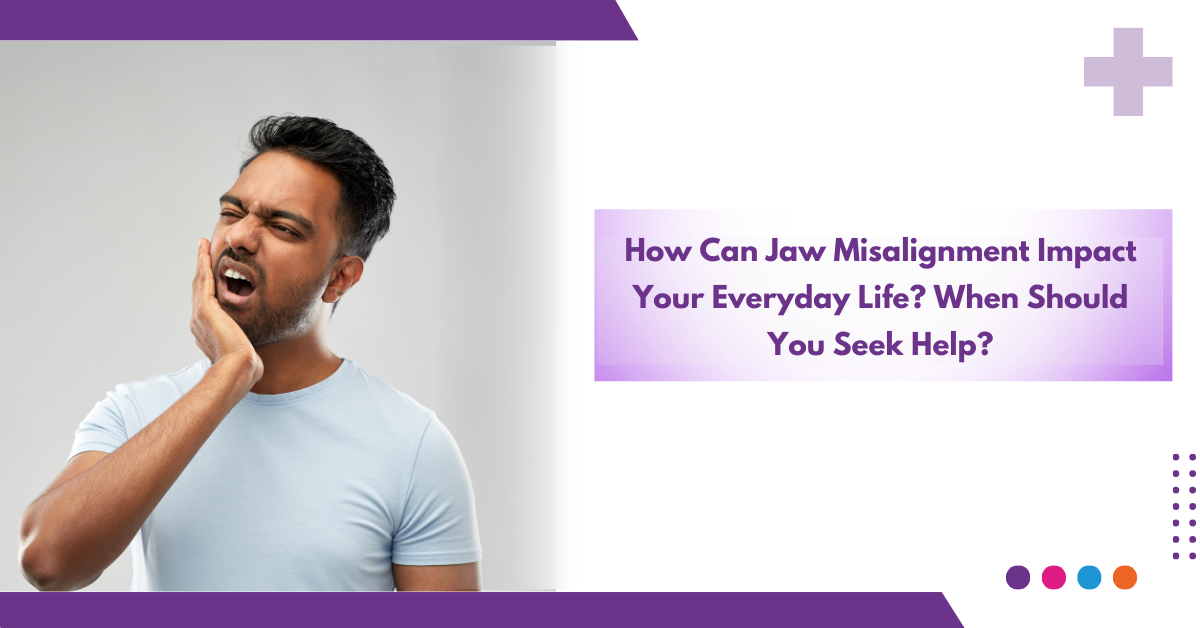
Do you know that when your lower and upper jaw bones are not aligned properly, you might have a crooked or uneven jaw? This can occur because of various reasons, such as Temporomandibular Joint (TMJ) or dental problems, such as malocclusion.
It is important to note that your asymmetrical jaw might lead to many discomforts, right from difficulty in chewing to speaking. The most general types of jaw misalignment are underbite and overbite, when the lower and upper teeth don’t align properly.
In case you have any of these symptoms and your jaw misalignment is highly noticeable, it is essential to get it checked and treated by the best maxillofacial surgeon in Coimbatore. Now, in this blog, let’s see how jaw bone misalignment can impact your everyday life and when you should seek medical help.
What Is Jaw Misalignment?
A misaligned jaw happens when the lower and upper joints don’t align properly when your mouth is closed. This condition can impact how the teeth fit together and how the jaws move during regular activities, like talking, chewing, and yawning. Jaw misalignment might be present from birth or occur later in life because of uneven tooth eruption, injury, habitual behaviors, or teeth grinding, like poor posture or mouth breathing.
People who have jaw misalignment might experience signs such as difficulty chewing, facial pain, popping or clicking sounds in the jaw joints, frequent headaches, and uneven wear of teeth. In some cases, it can also cause joint stiffness, discomfort around the ears, or limited mouth opening. Beyond experiencing discomfort physically, a misaligned jaw can affect facial symmetry and overall self esteem if left unnoticed.
Management of a misaligned jaw relies on its underlying reasons and severity. Approaches are jaw exercises, corrective jaw surgery, and lifestyle changes, which focus on enhancing function and alignment. Assessing this condition early will be helpful for preventing prolonged complications and supporting better jaw function.
What Are The Symptoms & Causes Of An Asymmetrical Jaw?
The Signs Of An Asymmetrical Jaw
Jaw misalignment may present with a variety of noticeable signs that can gradually worsen over time. Common symptoms include:
- Difficulty chewing or biting food evenly.
- Frequent jaw pain or tenderness.
- Clicking, grinding, or popping sounds when opening or closing the mouth.
- Uneven facial appearance or shifting of the jaw to one side.
- Recurrent headaches or facial muscle fatigue.
- Speech difficulties or discomfort while talking.
- Increased tooth sensitivity due to uneven wear.
These signs may not always appear together, but even mild symptoms should not be ignored, as they can progress without timely care.
The Causes Of An Asymmetrical Jaw
Several factors can contribute to jaw asymmetry. Some of the most common causes include:
- Genetic or developmental factors leading to jaw misalignment.
- Dental issues such as missing teeth or improper tooth alignment.
- Trauma or injury to the face or jaw.
- Habitual teeth grinding or clenching.
- Poor posture, especially neck and head positioning.
- Chronic mouth breathing or improper tongue placement.
In many cases, jaw misalignment results from a combination of factors rather than a single cause.
Can Jaw Misalignment Affect Your Daily Life?
Jaw misalignment can significantly interfere with everyday activities. Eating becomes uncomfortable when the teeth do not move properly, often leading to digestive issues due to improper chewing. Speaking may also feel strained, particularly during prolonged conversations, as muscles work harder to compensate for jaw misalignment.
Chronic jaw discomfort can affect sleep quality, especially if accompanied by jaw stiffness or facial pain. Over time, muscle tension can spread to the neck and shoulders, causing postural issues and fatigue. Headaches and facial pain may reduce focus and productivity at work or school.
Social interactions can also be impacted. Some individuals feel self conscious about facial asymmetry or avoid smiling due to discomfort. Emotional wellbeing may suffer as persistent pain and functional difficulties take a toll on confidence and overall quality of life.
When Should You Seek Help?
It is advisable to seek professional help if jaw misalignment or discomfort symptoms persist for more than a few weeks. Warning signs include ongoing pain, difficulty opening or closing the mouth, frequent jaw noises, or noticeable changes in facial alignment. Early evaluation can help identify the root cause and prevent worsening complications.
You should also seek medical attention if jaw issues interfere with eating, speaking, or sleeping, or if pain radiates to the ears, head, or neck. A specialist evaluation ensures appropriate guidance and timely intervention to restore comfort and function.
Can Someone Live With a Misaligned Jaw?
A misaligned jaw refers to a condition in which the lower and upper jaw teeth do not align correctly. This may result in multiple complications such as difficulty in speaking, chewing, and even breathing. So living with it is an option, but remember that it is not only a concern aesthetically, but it can also impact your everyday life.
What Issue Can Jaw Misalignment Cause?
A misaligned jaw may result in aesthetic issues, pain, temporomandibular joint disorder (TMD), difficulty speaking or chewing, sleep apnea, and a high risk for dental issues. Hence, considering jaw surgery will be a wise choice, as leaving jaw misalignment unnoticed can even impact your everyday life.
What Happens When A Jaw Misalignment Goes Unnoticed?
Left untreated, jaw misalignment can result in headaches, chronic joint pain, difficulty chewing, ear pain, and even lead to a locked jaw. As time passes by, jaw misalignment can lead to wear and tear on your teeth, resulting in tooth decay, sensitivity, and also tooth loss.
Conclusion
Jaw misalignment is not just an aesthetic issue. It can affect daily activities, comfort, and overall well being. From chewing difficulties and speech challenges to facial pain and emotional distress, its impact can be far reaching. Recognizing early signs and understanding the causes, and seeking timely maxillofacial surgery in Coimbatore will help individuals avoid long term complications.
With proper evaluation and personalized management, jaw alignment issues can be effectively addressed. If you suspect jaw misalignment or experience persistent discomfort, consulting a qualified specialist can help you regain function, confidence, and a better quality of life.