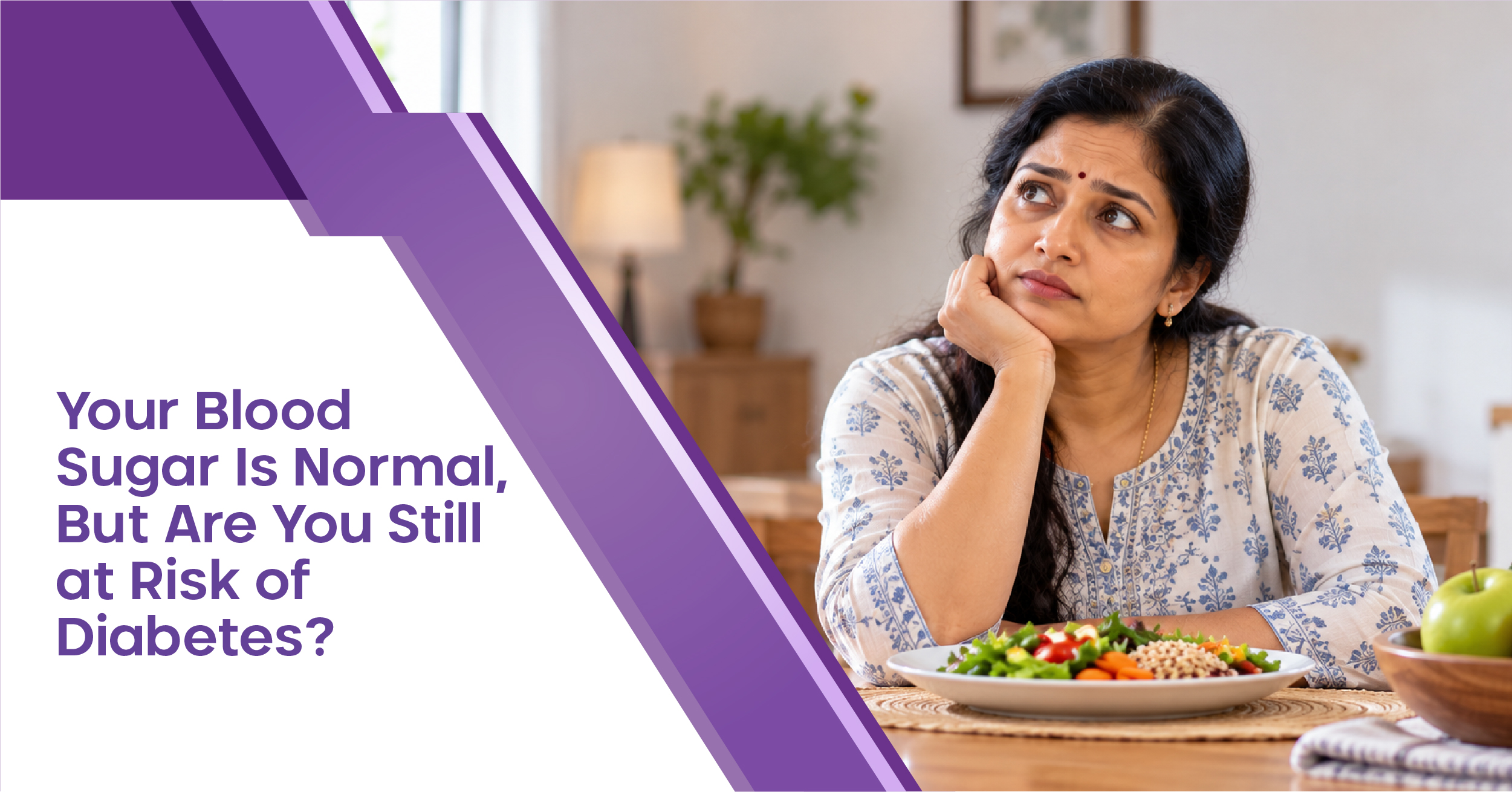
Seeing a normal blood sugar result can be reassuring. But one normal reading does not always tell the whole story, especially if you have a family history of diabetes, carry excess weight, have high blood pressure, or lead a physically inactive lifestyle. Diabetes risk can develop gradually, and blood sugar may remain within the normal range for some time before prediabetes or type 2 diabetes becomes apparent.
This is why understanding your risk factors is just as important as looking at a single blood sugar number. Regular screening, healthy lifestyle habits, and timely medical advice can help identify changes early and support prevention.
Can You Have a Normal Blood Sugar and Still Be at Risk?
Yes. Blood glucose changes throughout the day, and a single test provides information about that particular point in time. The HbA1c test provides a different perspective because it reflects average blood sugar levels over approximately the previous two to three months.
A person may therefore have a normal fasting blood sugar result while still having risk factors that increase the possibility of developing type 2 diabetes in the future.
Prediabetes is another important stage to understand. It means blood sugar levels are higher than normal but not yet high enough to meet the diagnostic criteria for diabetes. Prediabetes can occur without noticeable symptoms, which makes regular testing particularly useful for people with risk factors.
What Increases Your Risk of Diabetes?
Several factors can increase the likelihood of developing prediabetes or type 2 diabetes. Some are related to lifestyle, while others cannot be changed.
Important risk factors include:
- Having a parent, brother, or sister with type 2 diabetes
- Being overweight or having obesity
- Being physically inactive
- Having high blood pressure
- Having previously had gestational diabetes
- Having polycystic ovary syndrome, or PCOS
- Getting older, particularly after age 45
- Having a history of prediabetes
Family history and age cannot be changed, but physical activity, nutrition, weight management, and regular screening can help address several modifiable risk factors.
Why One Normal Test May Not Be Enough
Different diabetes tests provide different information. A fasting blood sugar test measures glucose after an overnight fast, while HbA1c estimates average blood sugar over the preceding months.
According to CDC diagnostic ranges, an HbA1c below 5.7% is considered normal, 5.7% to 6.4% is in the prediabetes range, and 6.5% or above is in the diabetes range. For fasting blood glucose, 99 mg/dL or below is considered normal, 100 to 125 mg/dL indicates prediabetes, and 126 mg/dL or above falls in the diabetes range. Diagnosis should be made by a healthcare professional and may require repeat testing depending on the situation.
A normal result today does not mean you will never develop diabetes. Your doctor may recommend repeat testing based on your age, medical history, family history, weight, and other risk factors.
What Are the Early Signs to Watch For?
Prediabetes often causes few or no clear symptoms. This is one reason people may not realize that their blood sugar regulation is changing.
When blood sugar becomes elevated enough to cause symptoms, they may include:
- Increased thirst
- Frequent urination
- Increased hunger
- Unexplained weight loss
- Fatigue
- Blurred vision
- Wounds that take longer to heal
However, symptoms alone cannot confirm diabetes. Testing is needed to determine whether blood sugar levels are within the normal range, fall into the prediabetes range, or meet the criteria for diabetes.
How Can You Lower Your Future Risk?
If your blood sugar is currently normal, this is a good opportunity to focus on prevention rather than waiting for a problem to develop.
Regular physical activity can improve insulin sensitivity and support healthy weight management. A balanced eating pattern that includes vegetables, whole grains, legumes, adequate protein, and appropriate portions can also support metabolic health.
If you are overweight and have prediabetes, even modest weight loss combined with healthier eating and increased physical activity may reduce the risk of progressing to type 2 diabetes.
Sleep, stress management, avoiding tobacco, and limiting excessive alcohol intake can also form part of an overall healthy lifestyle.
Who Should Consider Regular Diabetes Screening?
Screening is particularly important if you have one or more risk factors. You may benefit from discussing testing with a doctor if diabetes runs in your family, you are physically inactive, have excess weight, have high blood pressure, or have previously experienced gestational diabetes.
Regular diabetes health checkup can help assess blood glucose and other health parameters according to your individual needs. Sri Ramakrishna Hospital’s diabetes health-checkup information also describes testing such as fasting blood sugar and HbA1c as part of diabetes assessment.
The appropriate frequency of testing depends on your individual risk profile. Your doctor can recommend which test is appropriate and when it should be repeated.
Why Early Detection Matters
Finding prediabetes or diabetes early gives you an opportunity to take action before blood sugar problems progress. Prediabetes increases the risk of developing type 2 diabetes as well as cardiovascular problems, so it should not simply be treated as a harmless borderline result.
Regular early diabetes detection through appropriate screening can also help identify health concerns before symptoms become obvious. Preventive health evaluations may include blood sugar testing along with other assessments based on an individual’s age and health risks.
Early identification does not necessarily mean that medication will be required. Depending on the results, a doctor may recommend lifestyle changes, continued monitoring, or treatment appropriate to the individual’s condition.
When Should You Consult a Diabetes Specialist?
Consider consulting a Diabetologist in Coimbatore if your blood sugar results are repeatedly abnormal, you have been told that you have prediabetes, or you have multiple diabetes risk factors. Specialist evaluation can help interpret your test results in the context of your overall health rather than focusing on one number.
A Diabetes specialist in Coimbatore can also help with ongoing monitoring if diabetes is diagnosed. The Sri Ramakrishna Hospital Diabetology and Endocrinology Department in Coimbatore describes diabetes care, continuous monitoring, personalized treatment plans, and multidisciplinary management.
Diabetes Care at Sri Ramakrishna Hospital
For people looking for Diabetes treatment in Coimbatore, Sri Ramakrishna Hospital’s official department information describes evaluation and management of type 1 diabetes, type 2 diabetes, gestational diabetes, and prediabetes. The department also lists diabetes-related treatments and specialist consultations.
The hospital’s Diabetic Health Checkup in Coimbatore page describes a package that includes fasting blood sugar, post-prandial blood sugar, HbA1c, lipid testing, kidney-related investigations, urine microalbumin, and diabetology consultation, along with other assessments. The exact tests appropriate for an individual should be determined according to their medical needs.
Final Thoughts
A normal blood sugar result is encouraging, but it should be viewed alongside your overall risk profile. Family history, age, excess weight, physical inactivity, high blood pressure, previous gestational diabetes, and other factors can increase the likelihood of developing type 2 diabetes.
If you have risk factors, do not wait for symptoms before discussing screening with a healthcare professional. Regular testing, healthy lifestyle changes, and timely medical guidance can help identify blood sugar changes early and may help prevent or delay the progression to type 2 diabetes.