Managing diabetes is not about removing every favourite food or spending hours at the gym. It is about building habits that help keep blood glucose within the range recommended by your healthcare team. Food, portions, meal timing, activity, medicines and monitoring all contribute to diabetes care.
For people looking for Diabetes management in Coimbatore, the practical starting point is to understand how everyday choices affect blood sugar and then build a plan that fits their health needs, medication schedule and routine.
Why Diet Matters in Diabetes
Carbohydrates have the greatest immediate effect on blood glucose because they are broken down into glucose during digestion. However, the amount and type of carbohydrate, what you eat with it, and portion size can all influence how quickly blood sugar rises.
A balanced meal can include non-starchy vegetables, protein, high-fibre carbohydrate foods and healthy fats in appropriate portions. Whole grains, pulses, vegetables, fruits, nuts and seeds can be part of a varied eating pattern. Foods high in added sugar and highly processed foods are better limited.
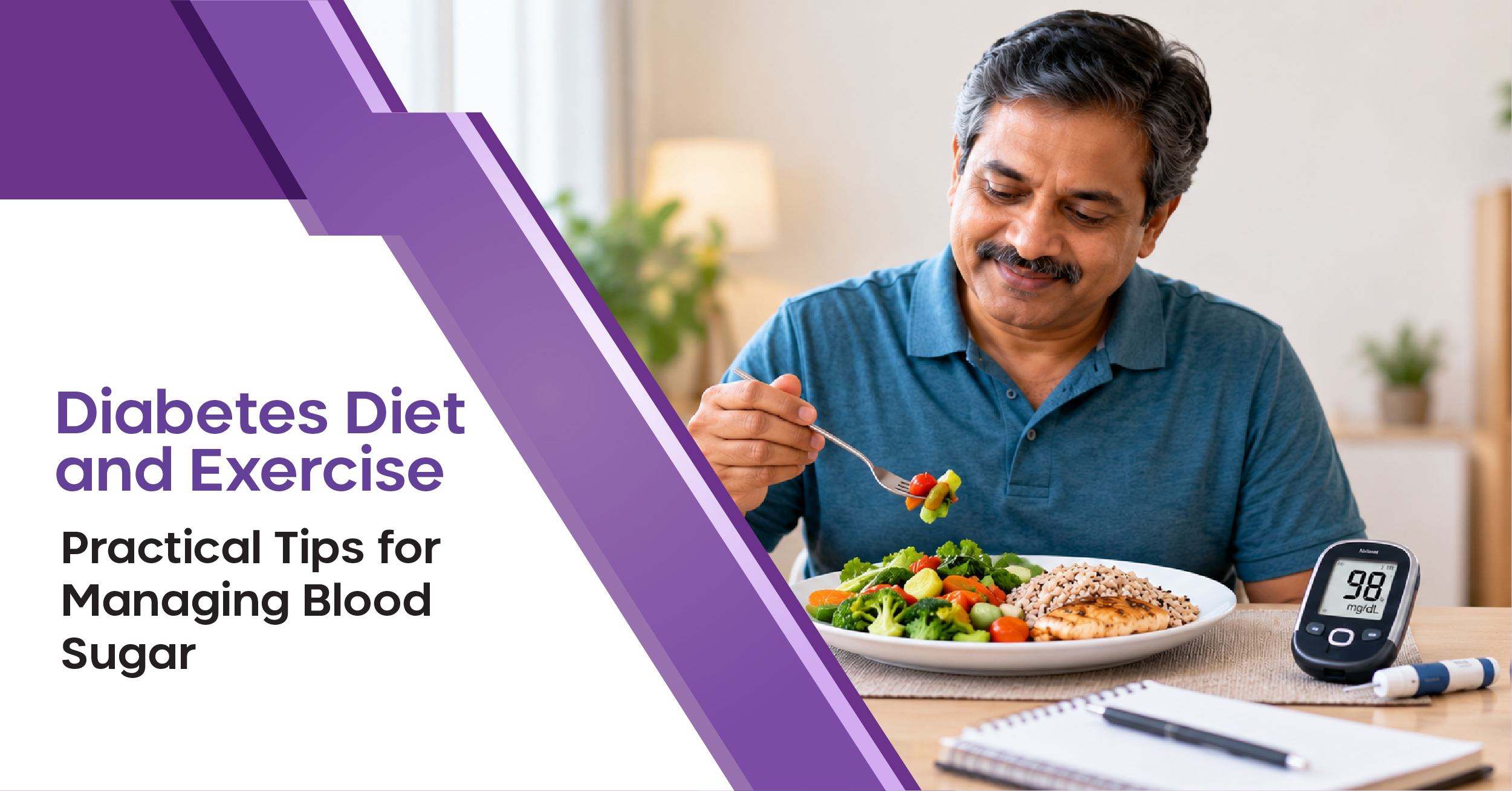
A simple plate method is to fill about half the plate with non-starchy vegetables, one quarter with protein and one quarter with carbohydrate foods. Proportions can vary by individual requirements.
Practical Diabetes Diet Tips
1. Watch portions, not just food names
Even nutritious foods can affect blood sugar when eaten in large quantities. Portion awareness can make meals easier to manage without making the diet unnecessarily restrictive.
2. Choose fibre-rich foods
Vegetables, legumes, whole grains and whole fruits provide fibre and other nutrients. Fibre can slow digestion and help with blood glucose management.
3. Be careful with liquid calories
Sugary drinks, sweetened tea or coffee and fruit juices can add carbohydrates quickly. Water is a practical everyday choice for hydration.
4. Keep meal timing consistent
Skipping meals can affect blood glucose, particularly for people using insulin or medicines that can cause hypoglycemia. Meal timing should also fit the medication plan. The SRH article on meal timings in diabetes management discusses how regular meal patterns can support blood glucose control.
5. Use a diabetes diet chart as a guide
A diabetes diet chart can help organise meals, but it should be adapted to your carbohydrate needs, medicines and routine.
6. Keep the plan realistic
People with diabetes can often enjoy foods they like while adjusting portions, frequency or combinations. A personalised plan is more useful than a rigid list.
Exercise and Blood Sugar
Physical activity helps muscles use glucose and can improve insulin sensitivity. It can also support healthy weight, cardiovascular health, blood pressure and cholesterol management.
You do not need an elaborate gym routine. Walking, cycling, swimming, dancing and other safe activities can contribute to regular movement. For many adults with diabetes, a practical goal is at least 150 minutes of moderate-intensity aerobic activity each week, plus muscle-strengthening activity on two days, when appropriate.
Start gradually if you have been inactive. Short sessions can make activity easier to fit into a busy day.
Exercise Safety Matters
Exercise can lower blood glucose during and after activity. This is especially important for people taking insulin or certain diabetes medicines that can cause low blood sugar.
If your treatment can cause hypoglycemia, ask your healthcare team whether you need to check glucose around exercise or adjust food or medication. Keep a fast-acting carbohydrate source available if advised.
Foot care is also important, especially if diabetes has affected sensation or circulation. Wear appropriate footwear and discuss persistent blisters, cuts, swelling or wounds with your healthcare team.
How Monitoring Helps
Diet and exercise work best when you understand how your body responds to them. Blood glucose monitoring can help identify patterns related to meals, physical activity, medicines, illness and stress.
Your healthcare team can tell you when to check glucose and what targets are appropriate. HbA1c is another important measure because it reflects average blood glucose over roughly three months.
Do not use monitoring results to change medication without medical guidance. If readings are repeatedly outside your target range, discuss the pattern with your doctor.
When Should You Consult a Diabetes Specialist?
If blood sugar remains difficult to control despite lifestyle changes, or you experience frequent low blood sugar or symptoms of complications, a specialist review may be appropriate.
A diabetes dietitian in Coimbatore can help translate general nutrition advice into meals suited to your routine, medicines and health goals. Your care team may also include a diabetologist, endocrinologist or diabetes educator.
Managing Type 1 and Type 2 Diabetes
Diet and exercise are important for both type 1 and type 2 diabetes, but they do not replace condition-specific treatment. People with type 1 diabetes require insulin because their bodies produce little or no insulin. Type 2 diabetes may be managed with lifestyle changes, medicines, insulin or a combination, depending on individual circumstances.
The SRH Type 1 & Type 2 Diabetes page outlines lifestyle changes, blood sugar monitoring, medications and insulin therapy among its treatment approaches.
What Diabetes Care at Sri Ramakrishna Hospital Includes
Sri Ramakrishna Hospital’s Diabetology and Endocrinology department states that its diabetes care includes personalised treatment plans, continuous monitoring and a multidisciplinary approach. It lists specialists in diabetes, thyroid and endocrinology
Its diabetic health checkup includes fasting and post-prandial blood sugar, HbA1c, kidney-related tests, lipid profile, urine microalbumin, cardiology investigations and a foot care clinic. The hospital also provides nutritional tips and diet plans as part of its diabetes specialist care.
For someone considering a Diabetes care hospital in Coimbatore, look for care that brings together nutrition, physical activity, medication, monitoring and preventive checks
Making Diabetes Management Sustainable
A sustainable routine matters. Start with practical steps: build balanced meals, control portions, reduce sugary drinks, stay active, keep meal timings consistent and track glucose as advised.
Diabetes management in Coimbatore should be personalised. Your diabetes type, medicines, activity level and other health conditions can change what is appropriate.
With consistent habits and medical guidance, diet and exercise can become part of everyday care.