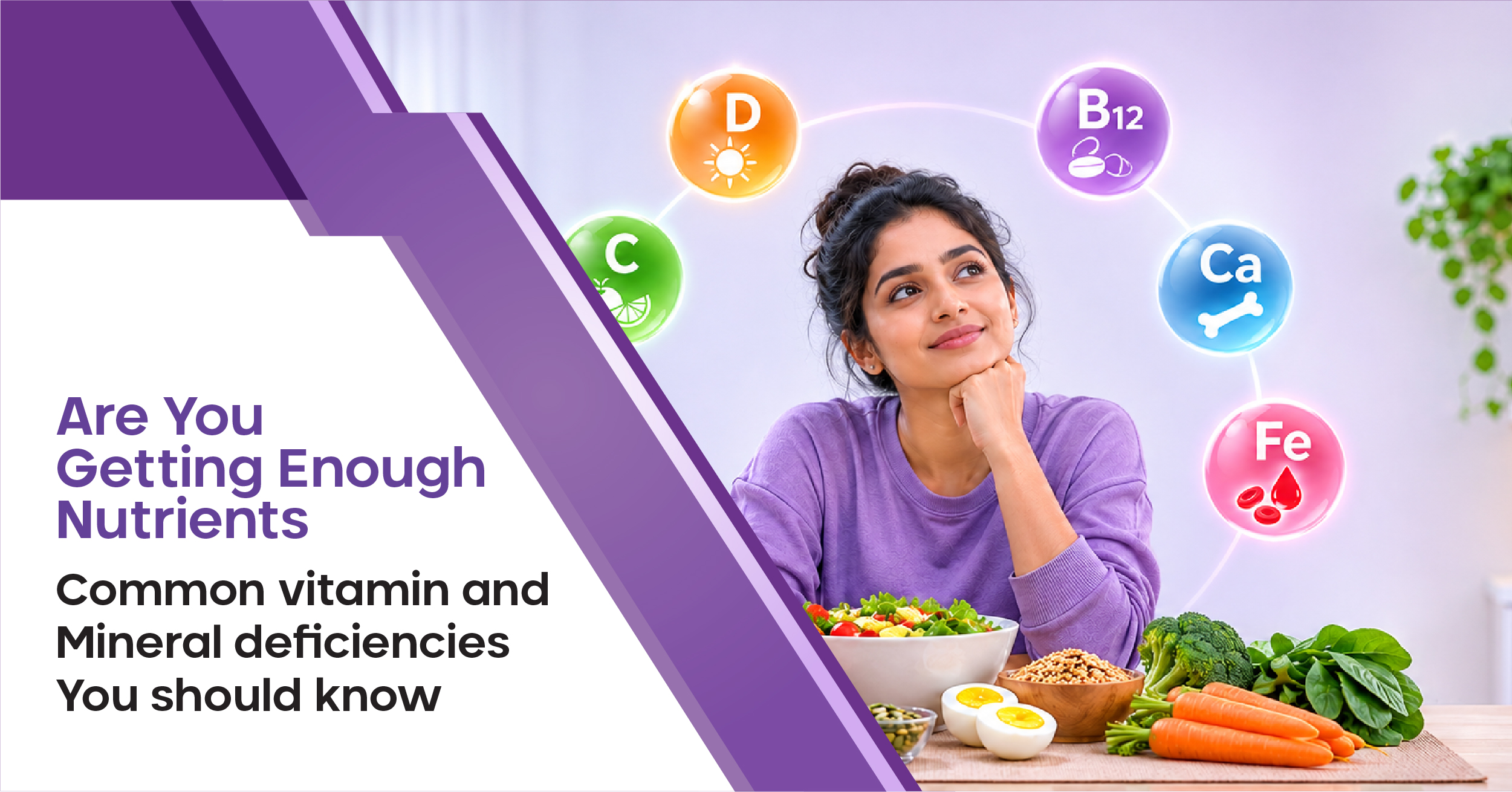
Eating regularly does not always mean your body is getting all the nutrients it needs. Vitamin deficiency symptoms can sometimes be subtle and may include persistent tiredness, weakness, numbness or changes in overall wellbeing. Vitamins and minerals support essential functions such as blood cell formation, bone health, nerve function and metabolism.
When the body does not receive enough of certain nutrients, or cannot absorb them properly, deficiencies can develop. Understanding the role of different nutrients and knowing when to seek medical advice can help identify the underlying cause.
Iron Deficiency: When Your Body Does Not Have Enough Iron
Iron is essential for the production of haemoglobin, which helps red blood cells carry oxygen throughout the body. When iron levels are low, a person may experience tiredness, weakness, pale skin, dizziness or shortness of breath.
Iron deficiency symptoms can develop due to inadequate dietary intake, blood loss or other underlying health conditions. Identifying the cause is important before starting treatment or supplements.
Vitamin B12: Essential for Blood and Nerve Health
Vitamin B12 plays an important role in the formation of healthy red blood cells and the normal functioning of the nervous system. A deficiency may cause tiredness and weakness, along with symptoms such as tingling or numbness in the hands and feet, difficulty with balance, or changes in memory and concentration.
Vitamin B12 deficiency symptoms may occur when the body does not get enough Vitamin B12 or is unable to absorb it properly. Certain digestive conditions, surgeries and medications can also affect absorption, making proper medical evaluation important.
Vitamin D: Supporting Healthy Bones and Muscles
Vitamin D helps the body absorb and use calcium effectively and plays an important role in maintaining healthy bones. Low levels may affect bone and muscle health.
Vitamin D deficiency symptoms can vary, and bone or muscle discomfort should not automatically be assumed to be caused by a deficiency. Factors such as limited sun exposure, inadequate intake and certain health conditions may contribute to low Vitamin D levels. Appropriate testing can help determine whether treatment is required.
Calcium: An Important Mineral for Bone Health
Calcium is essential for maintaining healthy bones and also supports normal muscle and nerve function. Adequate calcium intake, along with proper Vitamin D levels and overall nutrition, contributes to long-term bone health.
People with ongoing bone health concerns or those at risk of nutritional deficiencies may benefit from medical evaluation to understand their individual nutritional needs.
Why Do Nutritional Deficiencies Occur?
Nutritional deficiencies are not always caused simply by eating less of a particular food. They can occur due to an unbalanced or highly restrictive diet, poor nutrient absorption, certain stomach or intestinal conditions, blood loss, increased nutritional requirements at different stages of life, age-related changes or certain medications.
Persistent symptoms should not be self-diagnosed. Nutritional deficiency symptoms can overlap with symptoms of several other health conditions, which is why understanding the underlying cause is essential.
When Should You Get Checked?
Consider consulting a doctor if you experience persistent or unexplained tiredness, weakness, dizziness, shortness of breath, numbness, tingling, difficulty with balance, changes in memory or concentration, or ongoing bone and muscle concerns.
Depending on your symptoms and medical history, appropriate blood tests may be recommended to identify possible deficiencies and other underlying causes. Rather than starting supplements on your own, getting the right evaluation can help determine what your body actually needs.
Find the Cause. Get the Right Care.
At Sri Ramakrishna Hospital, Coimbatore, you can consult the General Medicine specialists for persistent or unexplained symptoms that may require further evaluation. Based on the findings, you may be guided towards appropriate investigations and specialist care.
Depending on your individual health needs, the hospital’s Diabetology and Endocrinology specialists can help evaluate conditions related to metabolism and nutritional health, while Diet Counselling can provide guidance on building a balanced diet suited to your individual requirements.
If you are experiencing ongoing Vitamin Deficiency Symptoms, timely evaluation can help identify the cause and guide you towards the right care. Consult the specialists at Sri Ramakrishna Hospital, Coimbatore, for appropriate assessment, investigations and personalised guidance.