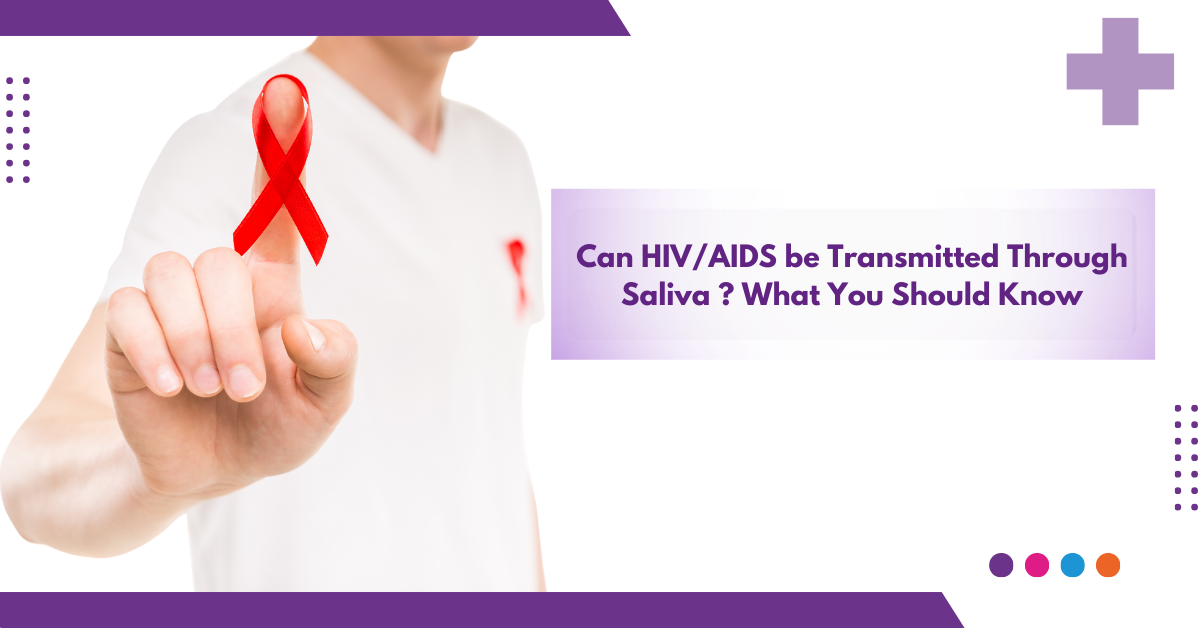
An HIV diagnosis can bring many questions. What does the result mean? Will treatment be lifelong? Can a person with HIV remain healthy? Can HIV still be transmitted to others?
Medical care for HIV has changed significantly over the years. HIV is now a manageable chronic health condition for people who have access to effective antiretroviral therapy and take treatment consistently. Early testing, timely treatment, regular monitoring, and healthy lifestyle habits can help people living with HIV maintain their health and quality of life.
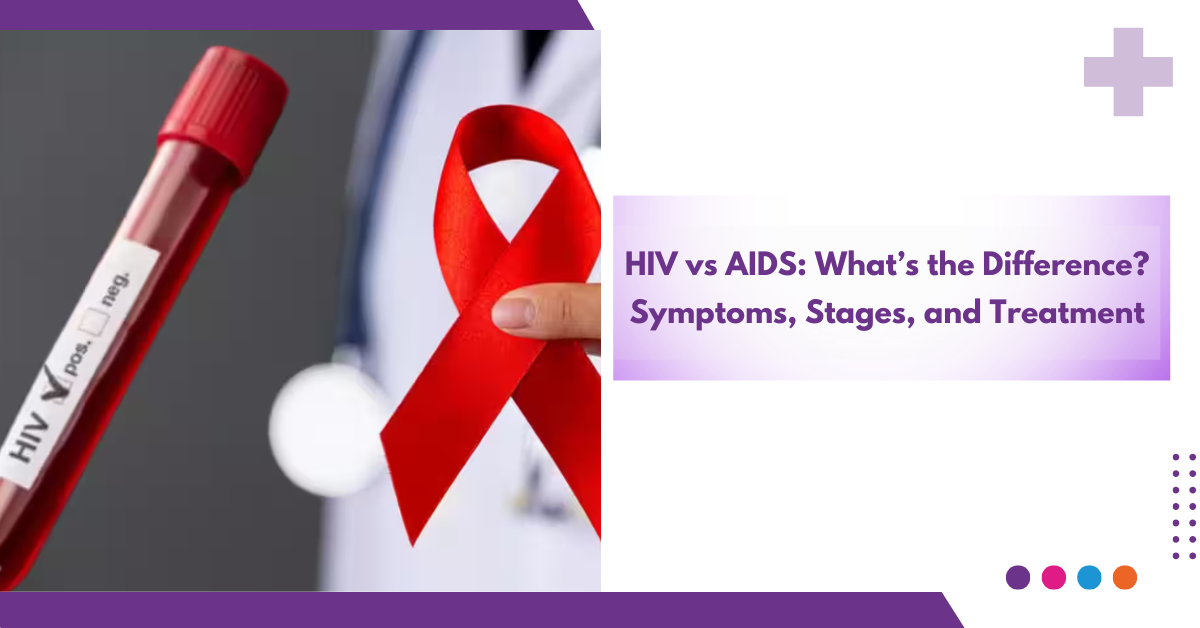
What Is HIV and How Is It Different From AIDS?
HIV, or human immunodeficiency virus, attacks the immune system, particularly CD4 cells that help the body fight infections. Without treatment, HIV can progressively weaken the immune system.
AIDS, or acquired immunodeficiency syndrome, is not a separate virus. It is the most advanced stage of HIV infection and can occur when HIV has severely damaged the immune system or when certain serious infections or illnesses develop. With effective treatment, many people with HIV do not progress to AIDS.
Understanding the HIV and AIDS difference can help replace outdated misconceptions with accurate information.
Why Is Early HIV Testing Important?
Many people with HIV may not have noticeable symptoms for years. Some people develop flu-like symptoms during the early stage, but these symptoms can resemble many common infections. This means you cannot determine your HIV status based on symptoms or appearance alone.
The only reliable way to know your HIV status is to get tested. WHO recommends HIV testing for people who may be at risk, with testing services linked to counselling, confidentiality, accurate results, and access to appropriate care.
Testing can also be important after a potential exposure, even if you feel completely well. The appropriate test and timing depend on when the exposure occurred and which type of test is being used.
What Happens During an HIV Test?
HIV can be detected using different types of tests. Depending on the test, a blood or other sample may be used to look for antibodies, HIV antigen, or genetic material from the virus.
There is also a window period after exposure during which an HIV test may not yet detect infection. For example, CDC guidance notes that laboratory antigen/antibody tests using blood from a vein can usually detect HIV 18 to 45 days after exposure, while nucleic acid tests can usually detect it earlier. The appropriate testing schedule should be discussed with a healthcare professional based on the type of exposure and test.
A positive screening result also requires appropriate follow-up testing to establish a diagnosis.
For people looking for HIV testing in Coimbatore, Sri Ramakrishna Hospital’s clinical laboratory lists HIV testing through its virology and serology services.
What If the Test Is Positive?
A positive HIV diagnosis does not mean that a person has AIDS. It means HIV infection has been detected and needs appropriate medical evaluation and treatment.
The next steps generally include confirming the diagnosis when required, assessing overall health, measuring the viral load, evaluating CD4 cell counts when clinically appropriate, and identifying any infections or other health conditions that need attention.
The most important step is to connect with an HIV care provider and begin antiretroviral therapy as soon as possible. WHO recommends offering and linking people diagnosed with HIV to ART as soon as possible after diagnosis.
How Does HIV Treatment Work?
HIV treatment is called antiretroviral therapy, or ART. It uses medicines that suppress HIV and reduce the amount of virus in the body.
The goal is to achieve and maintain viral suppression. When treatment is taken as prescribed, the viral load can become so low that it is undetectable on standard viral-load testing. Maintaining an undetectable viral load helps protect the immune system and supports long-term health.
HIV treatment is generally long-term. Missing doses or stopping treatment without medical guidance can allow the virus to increase and may contribute to drug resistance. If side effects or difficulties with treatment occur, speak with the treating healthcare professional rather than stopping medicines independently.
What Does Undetectable Mean?
One of the most important developments in modern HIV care is the understanding of Undetectable = Untransmittable, commonly called U=U.
A person with HIV who takes treatment as prescribed and maintains an undetectable viral load has zero risk of sexually transmitting HIV to their sexual partners. This does not mean that HIV has been completely eliminated from the body. Treatment must continue, along with regular medical follow-up and viral-load monitoring.
U=U is important not only for HIV prevention but also for reducing fear and stigma surrounding people living with HIV.
Can People With HIV Live a Healthy Life?
Yes. Effective HIV treatment allows many people with HIV to live long and healthy lives. However, taking medication consistently is only one part of maintaining overall health.
A balanced diet can provide the nutrients needed for general health. Regular physical activity can support cardiovascular health, strength, mood, and overall well-being. Adequate sleep, avoiding tobacco, limiting excessive alcohol use, and attending recommended health screenings are also useful parts of long-term care.
People living with HIV should also discuss recommended vaccinations and routine health checks with their healthcare provider because some infections may be more serious when the immune system is weakened.
How Can HIV Transmission Be Prevented?
HIV can be transmitted through certain body fluids, including blood, semen, vaginal fluids, and breast milk. It is not spread through ordinary social contact such as hugging, shaking hands, sharing food, or sitting near someone who has HIV.
Using condoms, avoiding shared needles or injection equipment, testing when appropriate, and taking PrEP when medically indicated can reduce the risk of acquiring HIV. People with HIV who maintain an undetectable viral load do not sexually transmit HIV.
Learning about HIV transmission myths can also help prevent unnecessary fear and stigma.
What Is PEP and When Is It Needed?
Post-exposure prophylaxis, or PEP, is an emergency HIV prevention treatment for someone who may recently have been exposed to HIV.
If a substantial-risk exposure has occurred, PEP should be started as soon as possible and no later than 72 hours after the exposure. It is not intended for ongoing or repeated exposure, where PrEP and other prevention strategies may be more appropriate.
If you think you may have been exposed to HIV within the previous 72 hours, seek urgent medical advice rather than waiting for symptoms or a routine test.
When Should You See an HIV Specialist?
A person with a confirmed HIV diagnosis should receive ongoing medical care rather than managing the condition independently.
An HIV specialist in Coimbatore can help with treatment selection, monitoring, medication adherence, viral-load assessment, management of infections, and other health concerns associated with HIV.
HIV Treatment in Coimbatore
For people seeking HIV treatment in Coimbatore, treatment should begin with appropriate testing, diagnosis, clinical assessment, and linkage to ongoing care.
Sri Ramakrishna Hospital’s official information confirms that its laboratory services include HIV testing and that its infectious-disease specialist provides care for HIV patients.
The hospital also publishes information explaining HIV, AIDS, symptoms, treatment, prevention, and common misconceptions. This can help patients and families understand why early diagnosis and consistent treatment are important.
AIDS Treatment in Coimbatore
AIDS treatment in Coimbatore focuses on controlling HIV and managing complications that may occur when the immune system has been significantly weakened.
ART remains central to HIV care. Additional treatment may be needed for opportunistic infections or other conditions depending on the person’s clinical status. Doctors may also monitor viral load, immune function, medication effects, and other health concerns over time.
Importantly, an AIDS diagnosis does not mean that medical care has reached a dead end. Effective HIV treatment can suppress the virus and improve immune function, although the appropriate treatment plan depends on the person’s individual condition.
Living Beyond the Diagnosis
An HIV diagnosis can affect emotional well-being as well as physical health. Fear, anxiety, sadness, or concerns about relationships and stigma are understandable reactions. Speaking openly with a healthcare professional or qualified counsellor can help.
It is also important to remember that HIV is a medical condition, not a measure of someone’s character or worth. Accurate information, confidential healthcare, treatment adherence, and supportive relationships can make long-term care easier.
Regular appointments should be viewed as part of staying healthy rather than something to attend only when symptoms appear.
Final Thoughts
HIV care today is very different from what it was decades ago. Testing can identify infection, effective ART can suppress the virus, and people who maintain an undetectable viral load can live healthy lives and do not sexually transmit HIV.
If you think you may have been exposed, do not wait for symptoms. Get appropriate testing and, when the exposure occurred within the previous 72 hours and represents a substantial risk, seek urgent advice about PEP.
For people already living with HIV, consistent treatment, regular monitoring, healthy habits, and supportive medical care can help protect long-term health. Early action and accurate information remain two of the most important parts of HIV care.