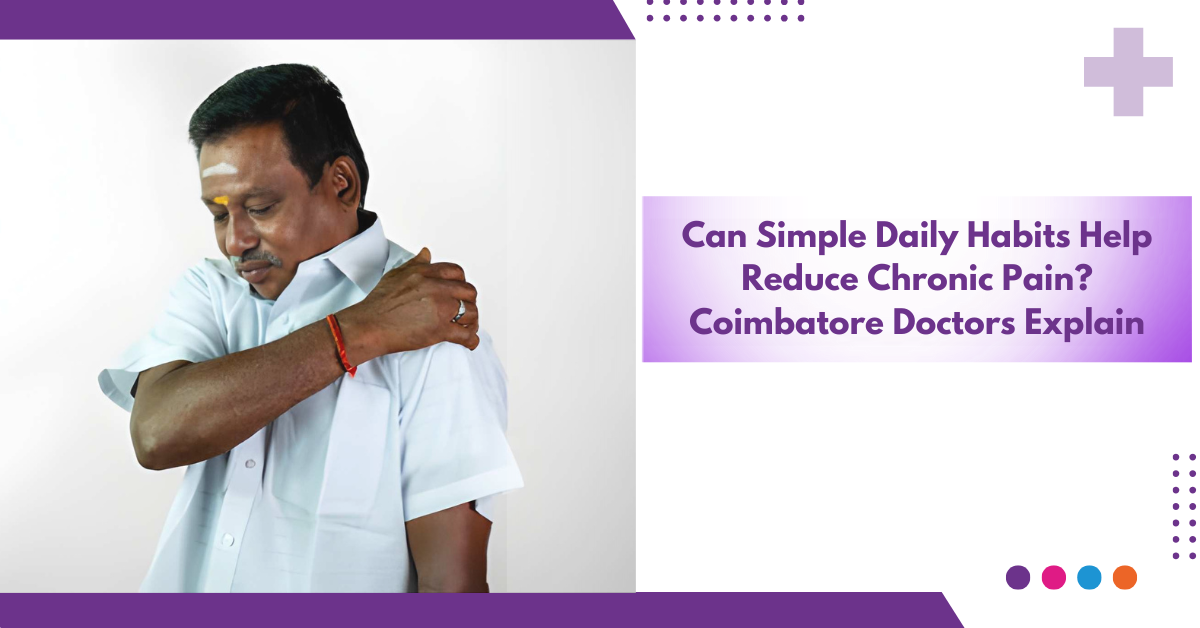
Chronic pain is just not about discomfort, it is way more bigger. It has the capability to interfere with every small activity that you carry out through the day. From sleep, mood, productivity, relationships to overall quality of life everything gets impacted. For some people chronic pain becomes a part and parcel of their lives with no escape. While chronic pain treatments are equally important, Coimbatore’s pain management specialists stress that pain management does not rely on medication alone. Surprisingly, simple daily habits, when practiced consistently, can significantly influence how the body experiences and manages chronic pain.
Pain management doctors explain that chronic pain is often the result of a complex interaction between the body, nervous system, lifestyle, and emotional health. This means that small, intentional changes in everyday routines can help reduce pain intensity, improve mobility, and restore a sense of control.
Let’s explore how simple daily habits, recommended by pain management doctors in Coimbatore, can support long-term relief from chronic pain.
Why do daily habits matter in chronic pain management?
Chronic pain is defined as pain that lasts longer than three months, even after an injury or illness has healed. Common conditions include:
- Back and neck pain
- Joint pain and arthritis
- Fibromyalgia
- Nerve pain (neuropathy, sciatica)
- Post-surgical pain
- Migraine and chronic headaches
Unlike acute pain, chronic pain involves changes in the nervous system, where pain signals become amplified. Doctors explain that the brain may continue to interpret danger even when tissues are no longer damaged. This is why pain management requires a whole-body approach, not just symptom suppression.
Daily habits influence inflammation, muscle tension, nerve sensitivity, sleep quality, and emotional strength, all key factors in chronic pain.
What daily life habits help reduce chronic pain?
Gentle Movement: Why Rest Alone Can Worsen Pain
Many people with chronic pain avoid movement out of fear of worsening their condition. However, pain specialists caution that too much rest can lead to muscle stiffness, joint weakness, and increased pain sensitivity.
What doctors recommend:
- Gentle stretching in the morning
- Low-impact exercises such as walking, swimming, or cycling
- Physiotherapy-guided movements for specific pain conditions
Regular movement improves blood circulation, reduces muscle tightness, and releases natural pain-relieving chemicals called endorphins. Over time, consistent activity retrains the nervous system to tolerate movement without triggering pain.
Posture Awareness: Reducing Strain on the Body
Poor posture is a hidden contributor to chronic pain, especially neck pain, lower back pain, and shoulder discomfort. Prolonged sitting, screen use, and improper ergonomics place constant stress on muscles and joints.
Simple posture habits that help:
- Sitting with feet flat and back supported
- Keeping screens at eye level
- Avoiding prolonged slouching
- Taking short posture breaks every 30–45 minutes
Doctors explain that maintaining correct posture reduces unnecessary muscle tension and prevents pain flare-ups, particularly for people with desk-based jobs.
Sleep Hygiene: The Overlooked Pain Reliever
Sleep and pain have a two-way relationship—pain disrupts sleep, and poor sleep increases pain sensitivity. Studies show that people with chronic pain who lack quality sleep experience higher pain intensity and slower recovery.
Doctor-approved sleep habits:
- Maintaining a fixed sleep and wake time
- Avoiding screens at least one hour before bed
- Using supportive mattresses and pillows
- Creating a dark, quiet, and cool sleeping environment
Good sleep allows the body to repair tissues, regulate inflammation, and calm overactive pain pathways in the brain.
Nutrition Choices That Support Pain Management
Food plays a direct role in inflammation, which is a major contributor to chronic pain conditions like arthritis and musculoskeletal pain.
Foods doctors encourage:
- Fresh fruits and vegetables
- Omega-3 rich foods
- Whole grains
- Adequate hydration
Foods to limit:
- Excess sugar
- Highly processed foods
- Excess salt
- Refined carbohydrates
Pain management specialists in Coimbatore explain that anti-inflammatory eating patterns help reduce pain flare-ups and improve energy levels, making daily activities easier.
Stress Management: Calming the Pain Pathways
Stress does not cause chronic pain, but it intensifies pain perception. When stress hormones remain elevated, muscles tighten and nerve sensitivity increases.
Simple stress-reducing habits:
- Deep breathing exercises
- Mindfulness or meditation
- Gentle yoga
- Spending time outdoors
Doctors note that even 10–15 minutes of daily relaxation can help regulate the nervous system and reduce pain intensity.
Consistent Pain-Friendly Routines
Irregular routines can confuse the body’s pain signals. Consistency helps stabilise energy levels, sleep cycles, and muscle function.
Doctors recommend:
- Eating meals at regular times
- Following a predictable activity-rest balance
- Avoiding sudden overexertion on “good days”
Pacing activities prevents pain flare-ups and supports long-term pain control.
Mind-Body Connection: Changing How the Brain Responds to Pain
Chronic pain can lead to fear of movement, anxiety, and negative thought patterns. Pain management experts highlight the importance of addressing the emotional and psychological side of pain.
Helpful daily practices include:
- Cognitive behavioural techniques
- Gratitude journaling
- Positive self-talk
- Avoiding constant pain monitoring
These habits help retrain the brain’s response to pain signals, reducing distress and improving coping ability.
Medication Use: Following Medical Guidance Carefully
While medications are often part of pain management, doctors stress the importance of using them responsibly. Overuse or unsupervised intake may lead to side effects or dependency.
Daily habits that support safe medication use:
- Taking medicines exactly as prescribed
- Combining medication with lifestyle strategies
Doctors emphasise that medication works best when combined with physical therapy, lifestyle changes, and behavioural support. Get consulted at Coimbatore’s pain management centre to know more on how to manage chronic pain.
Can daily habits really reduce chronic pain?
Yes. While daily habits may not completely eliminate chronic pain, doctors explain that consistent healthy routines can significantly reduce pain intensity, improve mobility, and prevent frequent flare-ups. Habits such as gentle movement, good posture, proper sleep, and stress management help calm the nervous system and support long-term pain control.
Can cognitive behavioral therapy (CBT) help in pain management?
Absolutely, Cognitive Behavioural Therapy (CBT) helps people recognise and change unhelpful thought patterns, enabling better pain coping strategies. By reducing stress and modifying behaviours that can worsen discomfort, CBT supports long-term pain management and is also part of chronic pain syndrome treatment. Many patients benefit from CBT as it helps the brain respond to pain signals in a healthier way.
How long does it take to see improvement with lifestyle changes?
Improvement varies from person to person. Some individuals notice reduced stiffness and better comfort within a few weeks, while others may take longer. Doctors emphasise that consistency is key—small, regular changes often lead to meaningful results over time.
When should I consult a pain management specialist?
You should consult a specialist if pain lasts longer than three months, affects daily activities, disrupts sleep, or does not improve with basic treatment. Early consultation helps prevent pain from becoming more severe or long-lasting.
Can chronic pain be managed without surgery?
In many cases, yes. Most chronic pain conditions are managed using a combination of medications, physiotherapy, lifestyle changes, and interventional pain procedures when required. Surgery is considered only when absolutely necessary.
Important Takeaway
So, can simple daily habits help reduce chronic pain? According to pain management doctors in Coimbatore, yes, when practiced consistently and correctly.
While habits alone may not eliminate pain completely, they significantly improve pain control, mobility, sleep quality, and emotional wellbeing. Over time, these small changes empower individuals to regain confidence and lead a more active, fulfilling life.
Chronic pain does not have to define your days. With the right guidance, supportive care, and mindful daily habits, pain can be managed—and life can be lived fully again.