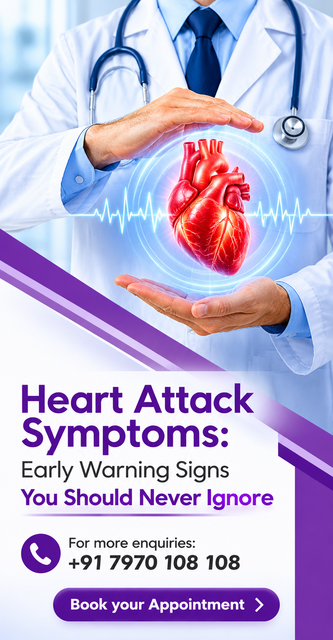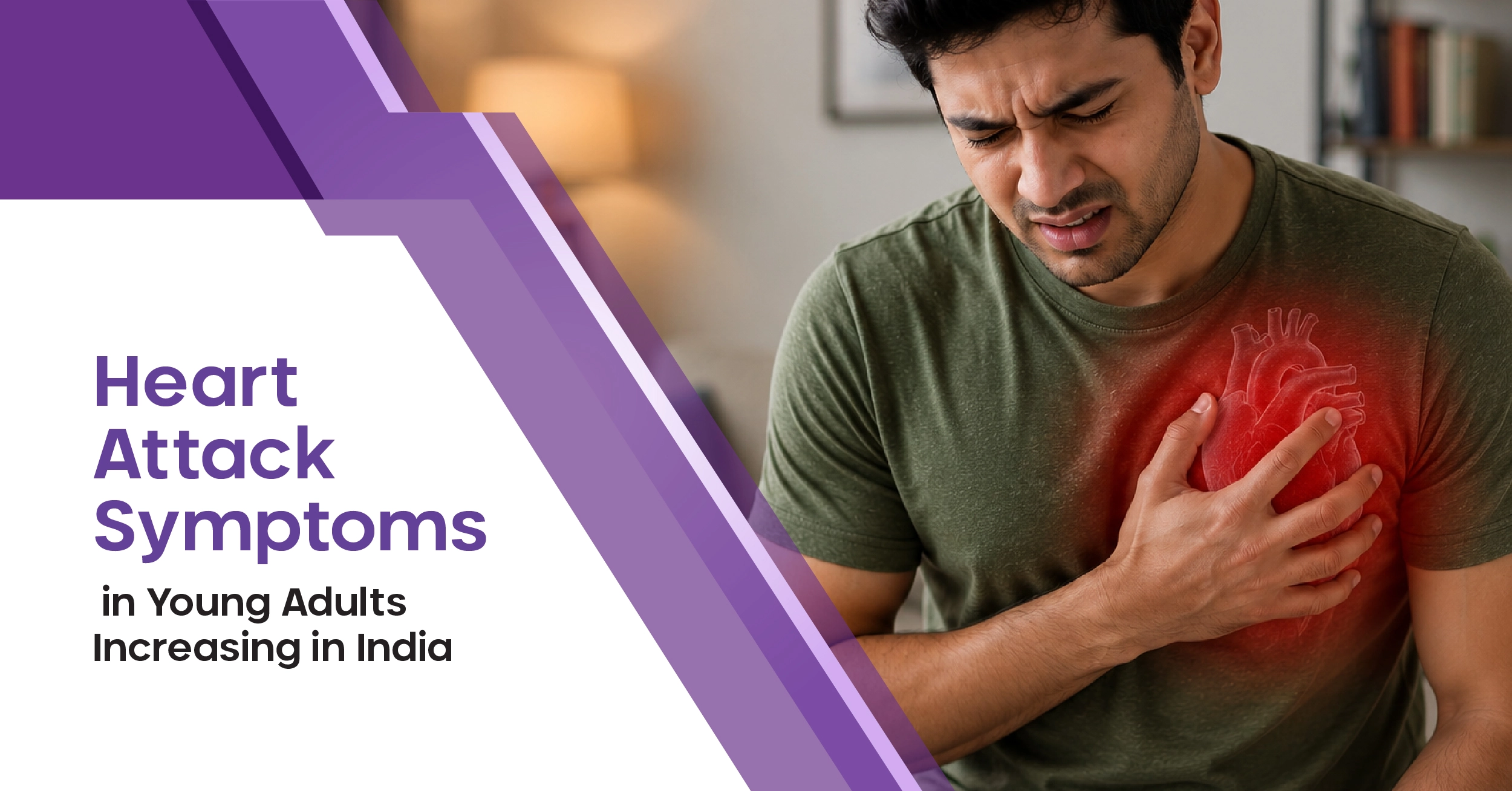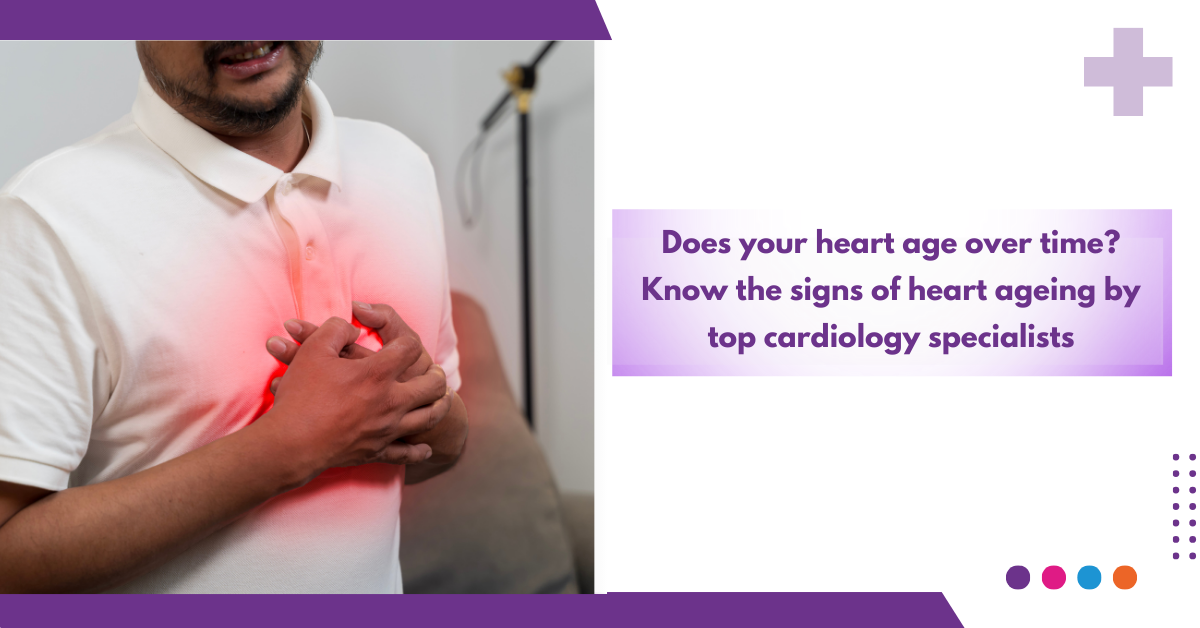
A heart attack can happen without much warning, but the body may show important signals before the condition becomes severe. Recognising these changes and seeking emergency medical care quickly can reduce damage to the heart muscle and may save a life. Symptoms do not always begin as sudden, unbearable chest pain. They can develop gradually, feel mild, or appear in areas that do not seem connected to the heart.
Knowing heart attack symptoms is important, especially for people with diabetes, high blood pressure, high cholesterol, or a family history of heart disease. If you think someone may be having a heart attack, do not wait for symptoms to disappear. Seek emergency help immediately.
What Happens During a Heart Attack?
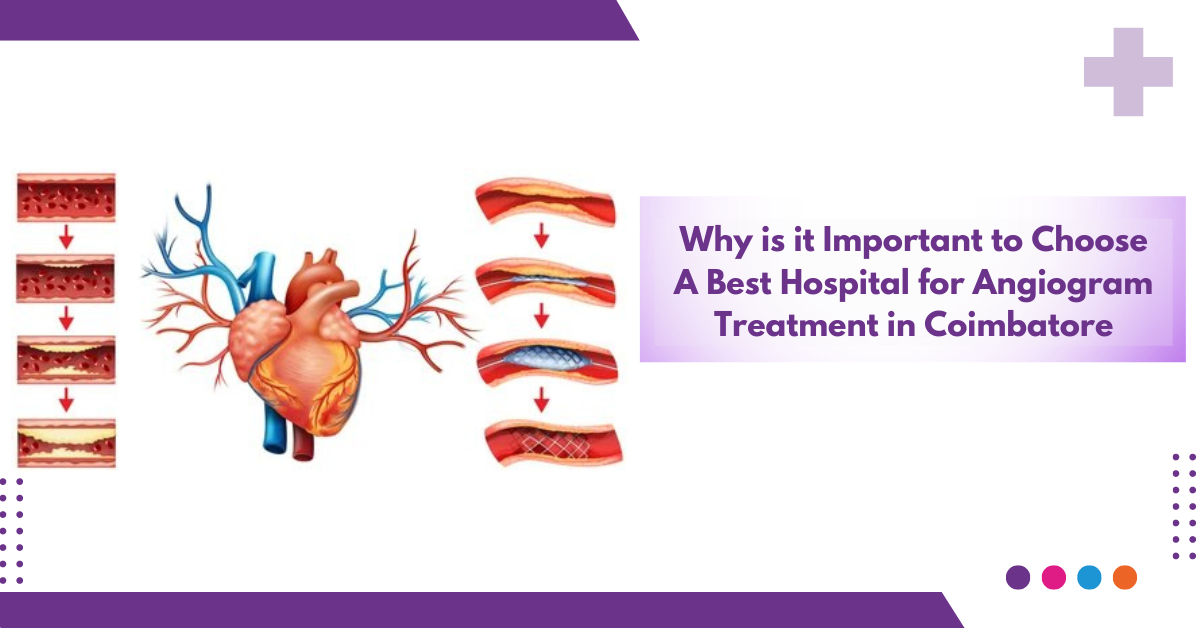
A heart attack, medically called a myocardial infarction, occurs when blood flow to part of the heart muscle becomes severely reduced or blocked. It commonly happens when fatty deposits build up inside a coronary artery, rupture, and lead to a blood clot. Without enough oxygen-rich blood, the affected heart muscle becomes damaged.
A heart attack is a medical emergency. Prompt treatment can restore blood flow and limit injury. It is different from cardiac arrest, although a heart attack can sometimes trigger one.
Early Warning Signs of a Heart Attack
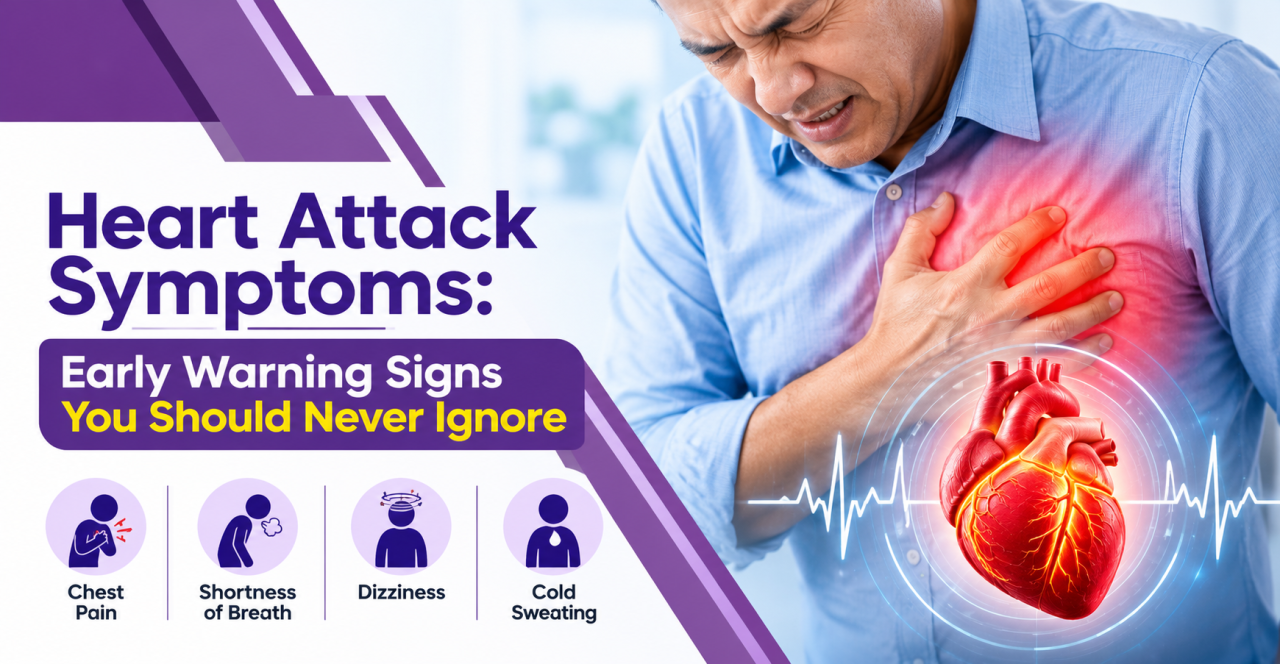
Symptoms vary from person to person. Watch for these possible warning signs:
1. Chest Pressure or Discomfort
Discomfort in the centre or left side of the chest is a common sign. It may feel like pressure, squeezing, heaviness, fullness, burning, or pain. It can last several minutes or ease and return. Do not dismiss it because it feels mild.
2. Pain in the Arm, Back, Neck or Jaw
Discomfort may spread to one or both arms, shoulders, upper back, neck, jaw, or upper stomach. Unexplained pain in these areas, especially with chest pressure or breathlessness, needs urgent assessment.
3. Shortness of Breath
Breathlessness can occur during activity or at rest, with or without chest discomfort. Sudden or unexplained difficulty breathing should not be ignored, particularly when accompanied by sweating, nausea, or weakness.
4. Cold Sweating and Nausea
A person may suddenly develop a cold sweat, feel sick, or vomit. These signs can be mistaken for a stomach problem or anxiety. Consider the full pattern and seek emergency care if a heart problem is possible.
5. Dizziness or Unusual Fatigue
Feeling faint, light-headed, weak, or suddenly exhausted can also be a warning sign.
Do Heart Attack Symptoms Differ in Men and Women?
Chest discomfort is common in both men and women. However, women may also experience breathlessness, nausea, back or jaw discomfort, and unusual tiredness.
Older adults and people with diabetes may also have less typical symptoms, including little or no obvious chest pain. The absence of severe chest pain does not rule out a heart attack.
What Increases the Risk of a Heart Attack?
Risk factors include high blood pressure, high LDL cholesterol, diabetes, smoking, excess body weight, physical inactivity, an unhealthy diet, and a family history of early heart disease.
Regular health checks can identify conditions such as high blood pressure and diabetes.
What Should You Do If You Notice Warning Signs?
Treat possible heart attack symptoms as an emergency. Call your local emergency ambulance service and follow the instructions provided. Do not drive yourself to the hospital or wait to see whether the discomfort passes. Stop activity and rest while help is on the way.
If the person becomes unresponsive and is not breathing normally, call emergency services, begin CPR if trained, and use an automated external defibrillator (AED) if available. Quick action matters.
How Is a Heart Attack Diagnosed and Treated?
Doctors may review symptoms and medical history, check vital signs, and perform an electrocardiogram (ECG) and blood tests such as cardiac troponin. Depending on the findings, further tests may include echocardiography or coronary angiography.
Treatment depends on the type of heart attack, the blockage, and the patient’s condition. It may involve medicines and procedures to restore blood flow. In selected cases, coronary angioplasty with stent placement is used to open a narrowed or blocked artery. Early treatment helps protect heart muscle and reduce complications.
When choosing a Cardiology Hospital in Coimbatore, patients may consider access to emergency assessment, cardiac investigations, interventional treatment when needed, and continued care.
How Can You Reduce Your Risk?
You cannot change every risk factor, but healthy habits can support heart health. Avoid tobacco, choose a balanced diet rich in vegetables, fruits and whole grains, stay physically active as advised by your doctor, and manage weight, blood pressure, cholesterol and blood sugar. Take prescribed medicines consistently and attend follow-up appointments. Ask a Heart Specialist in Coimbatore for advice suited to your health needs.