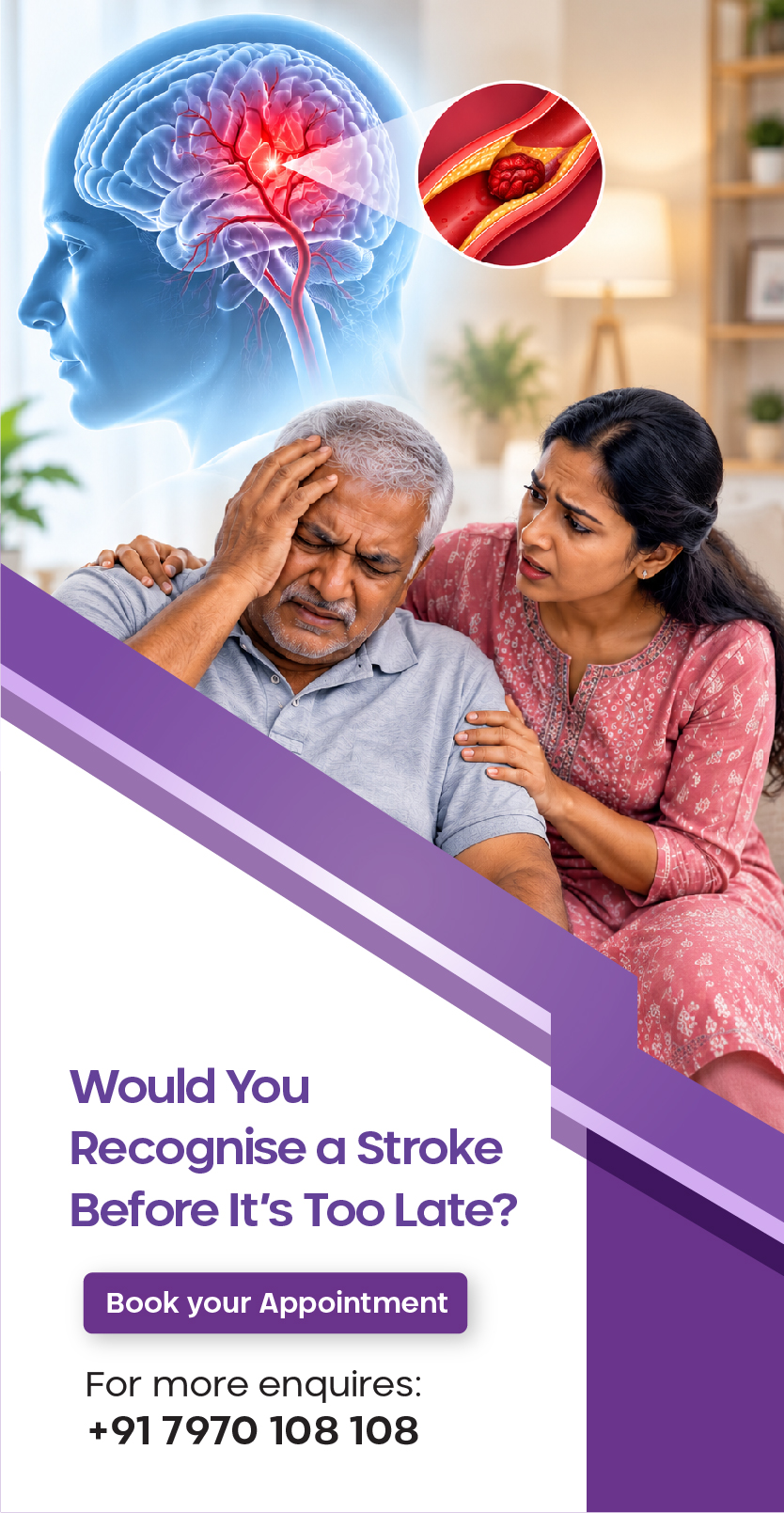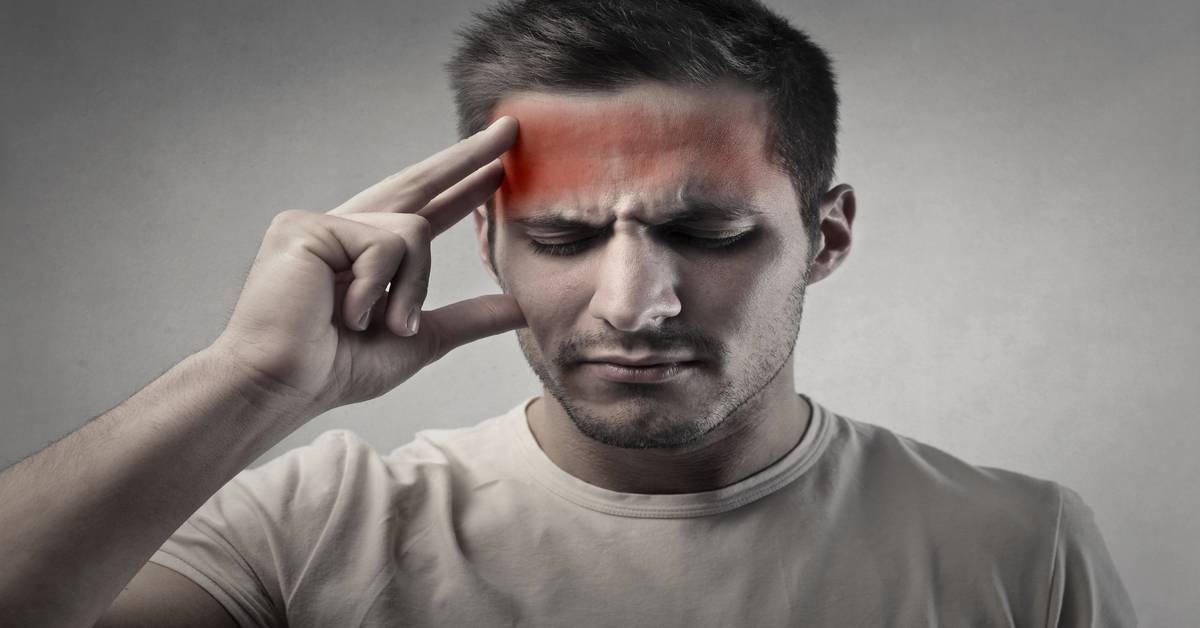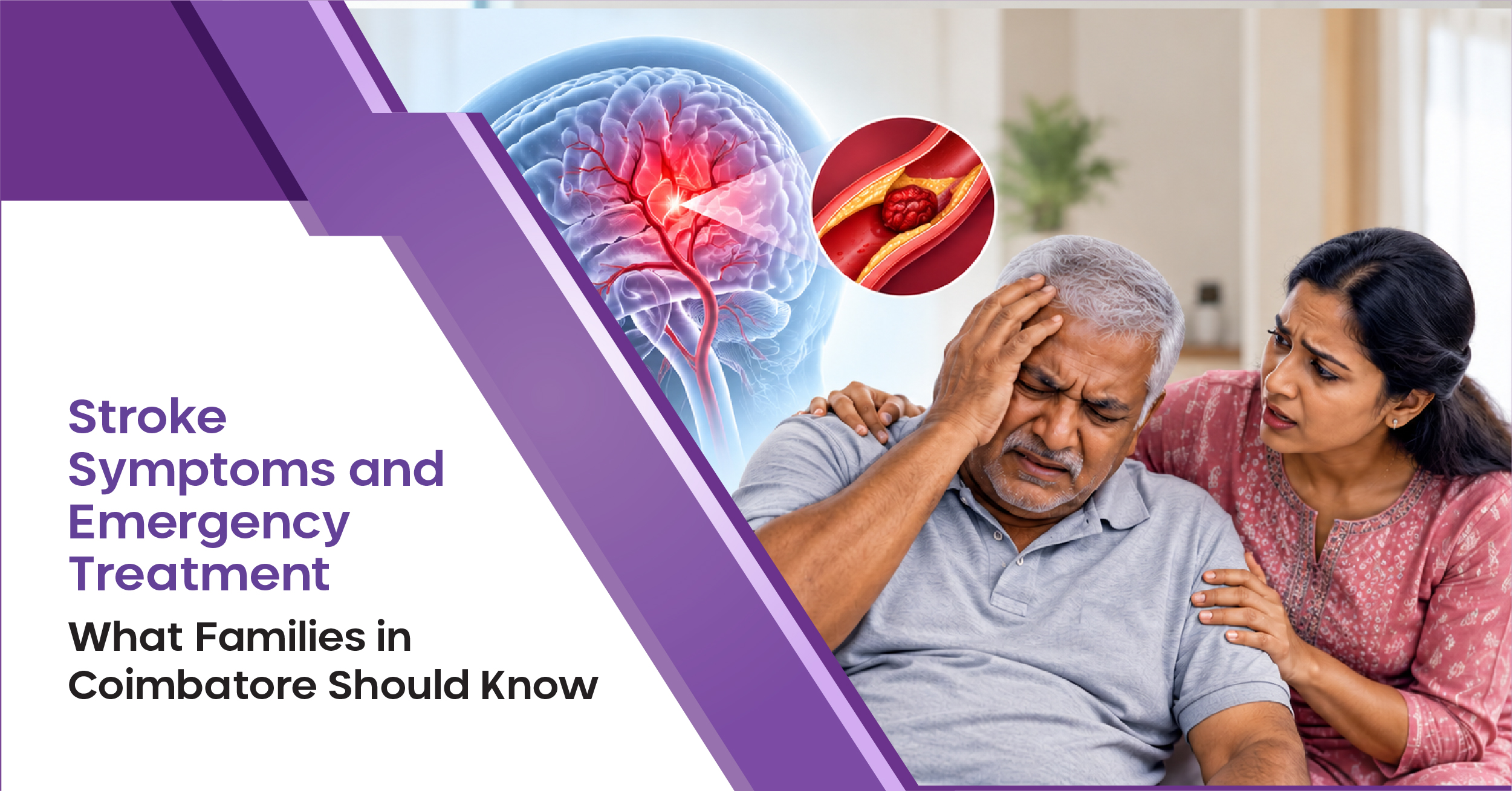
A stroke can change a person’s health within minutes. One side of the face may droop, an arm may suddenly become weak, or speech may become unclear. Families searching for a stroke hospital in Coimbatore should know that the priority is emergency care. Note when symptoms began and get medical help immediately.
What is a stroke?
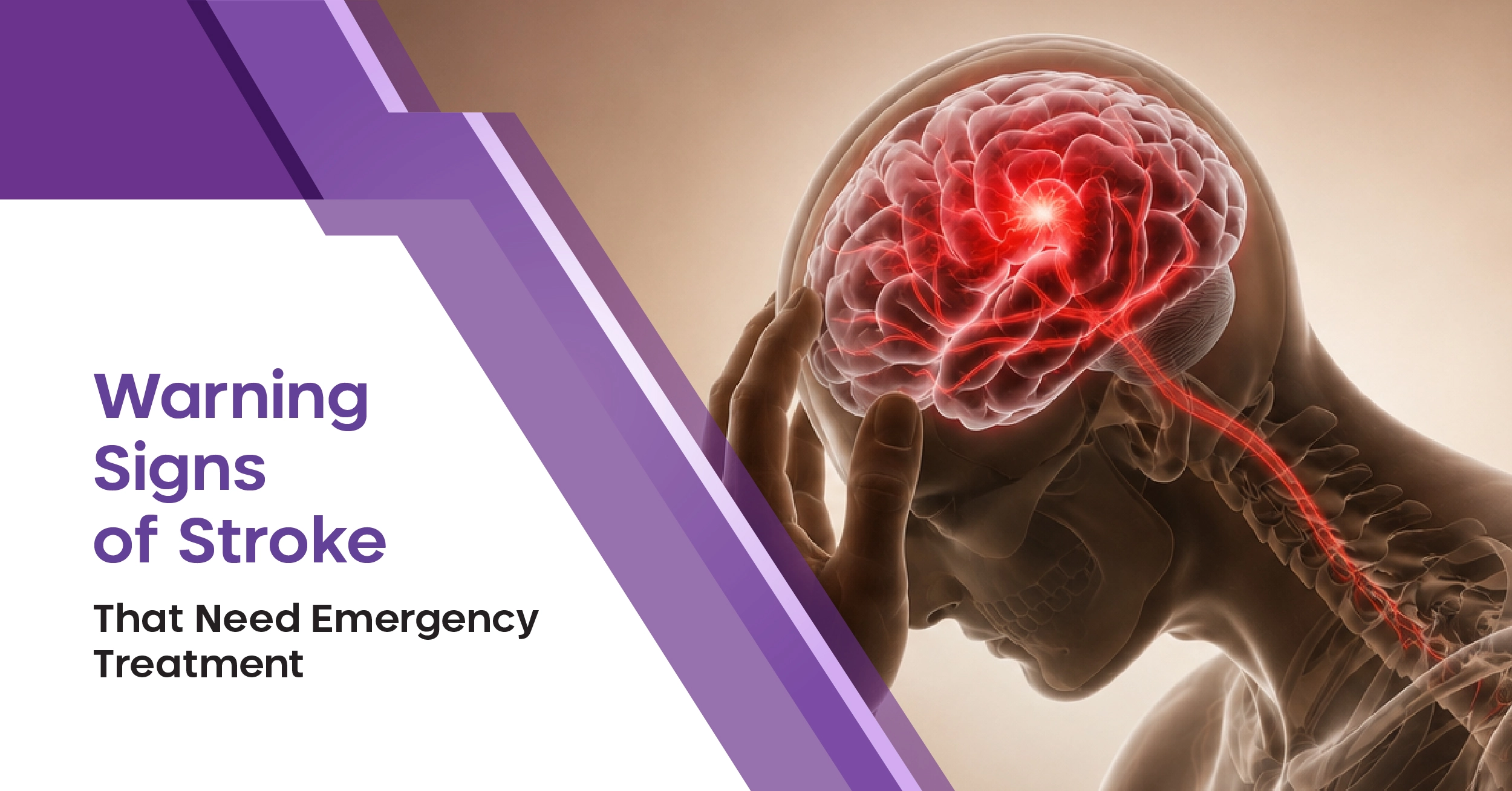
A stroke occurs when blood flow to part of the brain is interrupted or when a blood vessel in the brain bleeds. An ischemic stroke happens because of a blocked blood vessel, while a haemorrhagic stroke occurs when a blood vessel ruptures. Both can damage brain cells, so rapid assessment is essential.
Symptoms can include sudden:
- Weakness or numbness, especially on one side of the body
- Drooping of one side of the face
- Trouble speaking or understanding speech
- Difficulty seeing in one or both eyes
- Dizziness, loss of balance or trouble walking
- Severe headache without a known cause
Symptoms that disappear after a few minutes should not be ignored. They can occur with a transient ischaemic attack, or TIA, which needs urgent medical evaluation because it can signal a risk of a future stroke.
Remember B.E. F.A.S.T.
A simple way to recognise common stroke symptoms is B.E. F.A.S.T.:
- Balance: Is there sudden dizziness or loss of coordination?
- Eyes: Is there sudden difficulty seeing?
- Face: Does one side of the face droop when the person smiles?
- Arms: Does one arm become weak or drift downward?
- Speech: Is speech slurred, confused or difficult to understand?
- Time: Treat it as an emergency and seek medical help immediately.
Note the time the symptoms first appeared, or the last time the person was known to be well. This helps the medical team assess treatment options.
Why every minute matters
Stroke treatment depends on the type of stroke, the location of the problem, the time since symptoms began and the patient’s medical condition. Brain imaging is used to distinguish bleeding from a blockage before certain treatments are given.
For some eligible patients with an ischemic stroke, intravenous thrombolytic medicines can help dissolve a clot when given within an appropriate treatment window. Some patients with a large blood-vessel blockage may also be considered for endovascular treatment, in which doctors use a catheter to remove the clot. Eligibility varies, so families should not wait to see whether symptoms improve.
A haemorrhagic stroke requires a different approach. Doctors may need to control bleeding, manage pressure in the brain and treat the underlying cause. Giving medicines intended for a clot-related stroke without medical assessment can be dangerous because the two types require different treatments.
What should families do during a suspected stroke?
If stroke symptoms appear, seek emergency medical care immediately. Do not wait for the person to recover, and do not assume that a short-lived episode is harmless.
While waiting for medical help:
- Note when symptoms started or when the person was last known to be well.
- Keep the person safe.
- Take relevant medical information and a list of current medicines if readily available.
- Do not give food, drinks or medicines unless advised by a healthcare professional, particularly because swallowing may be affected.
If the person becomes unconscious and is not breathing normally, emergency responders should be contacted and CPR may be required according to their instructions.
What happens after the emergency?
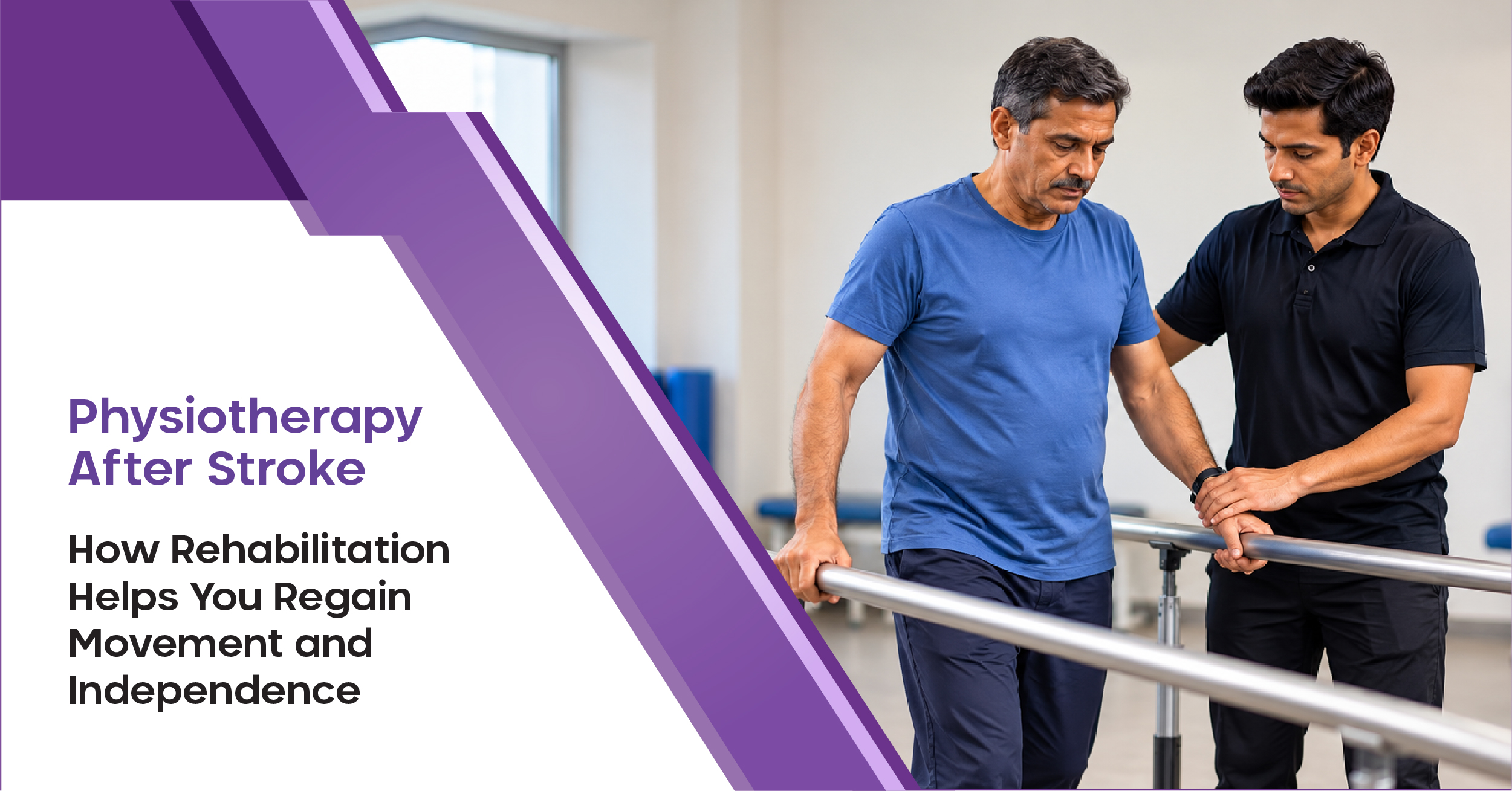
Stroke care does not necessarily end when the immediate danger has passed. Depending on the effects of the stroke, recovery may involve physiotherapy, occupational therapy, speech and language therapy, and other forms of rehabilitation.
For example, stroke physiotherapy can address movement, strength, balance and functional limitations as part of a wider rehabilitation plan. Sri Ramakrishna Hospital also discusses mirror therapy for stroke recovery, which may be used in selected patients. Rehabilitation should be tailored to the person’s deficits and recovery goals.
Preventing another stroke is also an important part of follow-up care. Depending on the cause, a doctor may address blood pressure, diabetes, cholesterol, smoking, heart conditions and other risk factors. Medicines and lifestyle measures should be followed as prescribed rather than changed without medical advice.
When should you seek emergency care?
Sudden neurological symptoms should be treated as an emergency, especially when there is new facial drooping, one-sided weakness, speech difficulty, vision loss, severe dizziness or an unexplained severe headache. Even if the symptoms improve, urgent assessment is still needed.
Do not drive yourself or ask a family member to drive if emergency transport is available. Ambulance teams can begin care on the way and alert the receiving hospital, helping the stroke team prepare for the patient’s arrival.
Stroke care at Sri Ramakrishna Hospital, Coimbatore
Sri Ramakrishna Hospital has an Advanced Stroke Center within its neurological care services. The hospital states that its centre provides acute stroke management including intravenous thrombolysis and endovascular therapy, with options such as thrombectomy, angioplasty and stenting for selected patients. Its neurology services also include MRI facilities and neurointerventional procedures such as thrombectomy and thrombosuction.