Diabetes is not only about keeping blood sugar within a target range. Over time, consistently high blood glucose can affect blood vessels and nerves, increasing the risk of problems involving the kidneys, eyes, heart, feet and other parts of the body. Some complications can develop gradually without noticeable symptoms, which is why regular medical checkups are an important part of diabetes care.
Routine monitoring gives your healthcare team an opportunity to identify changes early, review your treatment and address risk factors before they become more difficult to manage.
How can diabetes affect the body?
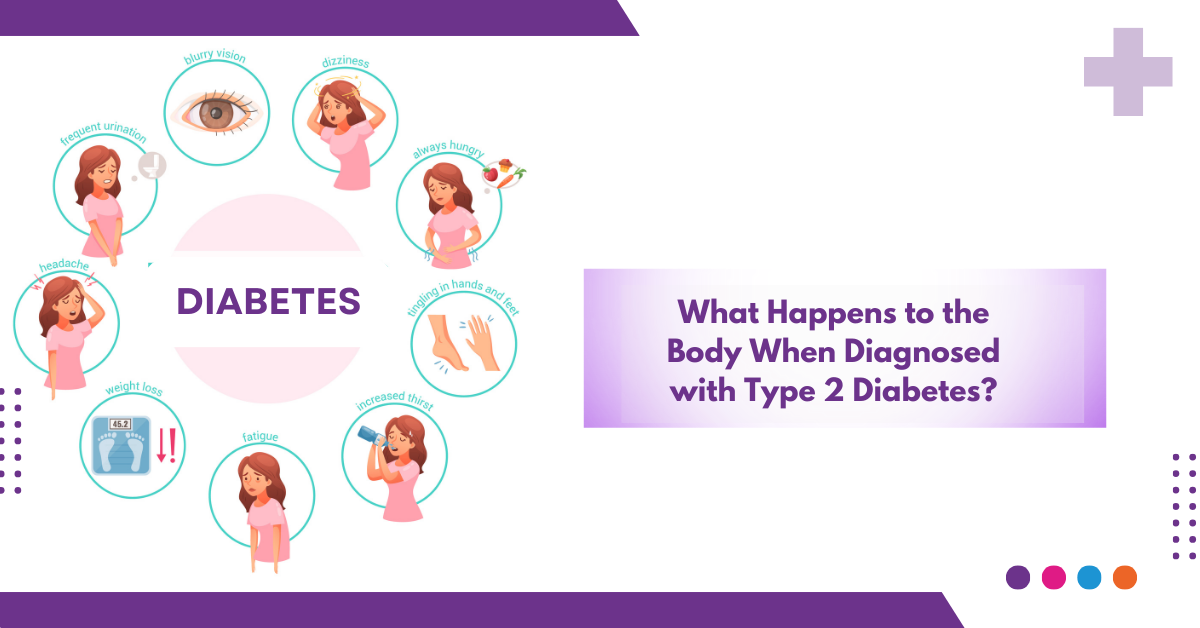
Persistently high blood glucose can contribute to damage to blood vessels and nerves. Diabetes is associated with an increased risk of cardiovascular disease and stroke, while damage to small blood vessels can affect the eyes and kidneys. Nerve damage can cause numbness, tingling or pain, particularly in the feet and legs.
These complications do not necessarily appear at the same time, and having diabetes does not mean that a person will develop all of them. Good glucose management, along with appropriate blood pressure, cholesterol and lifestyle management, can help reduce the risk.
Why can complications go unnoticed?
Some diabetes-related complications have few or no symptoms during their early stages. For example, kidney disease may not cause obvious symptoms until kidney function has already declined. Similarly, diabetic eye disease can progress without noticeable changes in vision.
This is why waiting until you feel unwell is not a reliable approach to diabetes monitoring. Screening and routine assessments can detect changes that you may not be able to notice yourself.
Sri Ramakrishna Hospital’s resource on basic diabetes health checkups explains the role of routine assessments in monitoring diabetes and identifying potential health problems.
Which health checks are important?
The exact tests and frequency depend on your age, type of diabetes, treatment, other health conditions and individual risk. Your doctor may recommend several areas of monitoring.
Blood glucose and HbA1c
Blood glucose testing helps assess current glucose levels, while HbA1c provides an estimate of average blood glucose over approximately the previous three months. Your healthcare professional can determine your appropriate target and how frequently HbA1c should be checked.
Kidney health
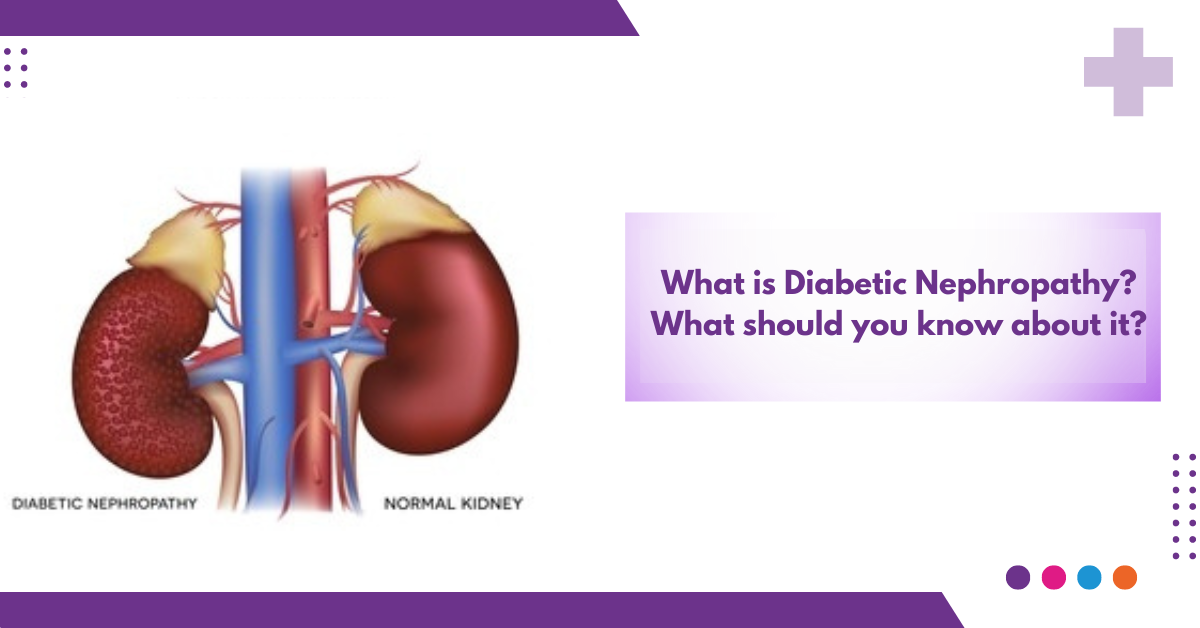
Diabetes can damage the small blood vessels in the kidneys. Urine albumin testing and blood tests that assess kidney function can help identify kidney disease.
Early detection matters because treatment can help slow the progression of kidney disease and reduce associated risks.
For readers who want to understand this complication in more detail, Sri Ramakrishna Hospital has an article on diabetic nephropathy, including its risk factors, symptoms and evaluation.
Eye examinations
Diabetes can damage the blood vessels in the retina, leading to diabetic retinopathy and potentially affecting vision. Because early diabetic eye disease may not cause symptoms, people with diabetes may need regular dilated eye examinations according to their individual risk and type of diabetes.
Your diabetes specialist can advise you about the appropriate eye screening schedule and refer you to an ophthalmologist when required.
Foot examinations
Nerve damage can reduce sensation in the feet. This means a small cut, blister or wound may go unnoticed, increasing the risk of infection and more serious foot problems.
Checking your feet regularly and having appropriate clinical foot examinations can help identify changes early. Seek medical attention promptly if you notice a wound, redness, swelling, discharge, change in colour or temperature, or persistent pain or numbness.
What role do blood pressure and cholesterol play?
Diabetes and cardiovascular risk are closely connected. High blood pressure and abnormal cholesterol levels can further increase the risk of heart disease and stroke.
During routine diabetes reviews, your doctor may therefore monitor blood pressure and lipid levels alongside glucose. Treatment may include lifestyle changes and medicines when clinically appropriate.
Managing these factors together is often more useful than focusing only on a single blood sugar reading.
Can regular checkups prevent complications?
Checkups cannot guarantee that complications will never occur. However, they provide opportunities to identify risk factors and early changes, adjust treatment and provide preventive care.
Blood glucose management is one part of this process. Taking prescribed medicines correctly, staying physically active, following an appropriate eating pattern, avoiding tobacco and attending recommended screening appointments can all contribute to long-term diabetes management.
The goal is not simply to treat a complication after it appears, but to identify risks early and reduce the likelihood of progression.
When should you contact a doctor sooner?
Do not wait for your next routine appointment if you develop a foot wound that is not healing, signs of infection, sudden changes in vision, persistent swelling, unexplained breathlessness, chest pain or significant changes in sensation.
Severe symptoms such as chest pain, severe difficulty breathing, confusion, loss of consciousness or symptoms of a serious infection require urgent medical attention.
Diabetes complication care at Sri Ramakrishna Hospital, Coimbatore
Sri Ramakrishna Hospital has a dedicated Diabetology and Endocrinology department that provides diabetes and endocrine care. The department lists continuous monitoring and multidisciplinary approaches among its services and has consultants specialising in diabetes and endocrinology.
The hospital’s diabetic health checkup service includes blood glucose and HbA1c testing, kidney-related investigations, lipid profile, urine microalbumin testing, foot care and diabetology consultation. The service also includes ophthalmology consultation, allowing relevant assessments to be coordinated according to clinical requirements.
For patients who develop diabetic foot ulcers, the hospital has a dedicated diabetic foot ulcer treatment service. Its published treatment information includes wound care, debridement, antibiotic therapy and offloading, depending on the nature and severity of the ulcer.
The hospital also provides specialist services that may be relevant when diabetes affects different organ systems. The appropriate specialist involvement depends on the patient’s clinical findings.
How often should you have a diabetes checkup?
There is no single schedule that applies to everyone. Your doctor may recommend more frequent monitoring if your blood sugar is difficult to control, your medicines have recently changed, you have existing complications or you have other conditions that increase your health risks.
Even when you feel well, keeping scheduled appointments matters because some complications can remain silent for a considerable period.
If you are looking for a diabetes checkup in Coimbatore, ask what assessments are appropriate for your type of diabetes, treatment and individual risk factors. If a complication is identified, timely evaluation and treatment can help prevent or delay further problems.
Regular checkups are therefore not simply another appointment to add to your calendar. They are an important part of managing diabetes over the long term and protecting your health beyond blood sugar alone.)