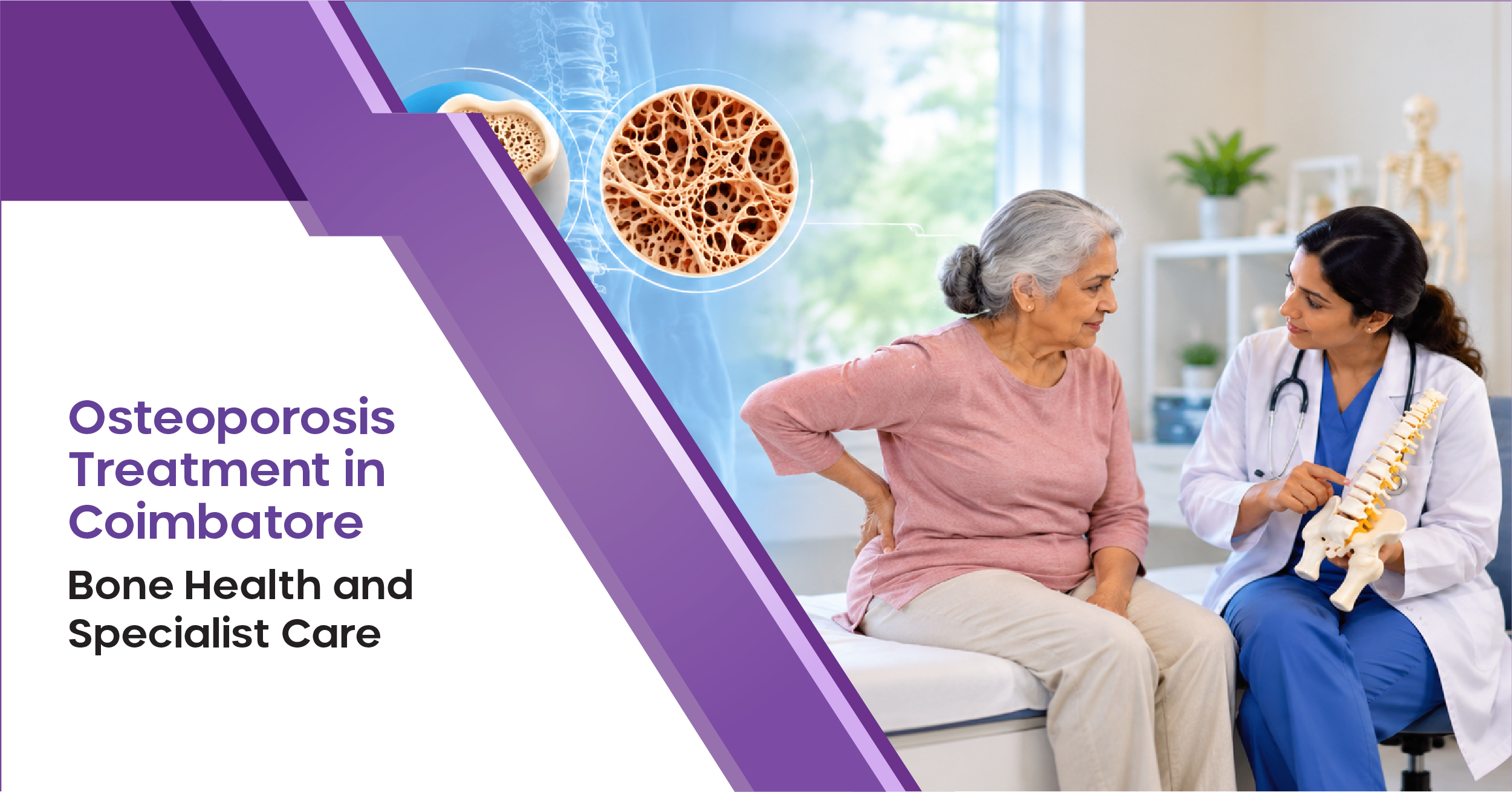
Osteoporosis is a condition in which bones become weaker and more likely to fracture. It can develop gradually without obvious symptoms, so many people discover it only after a fracture. Bone loss and fracture risk can often be assessed and managed through appropriate screening, lifestyle measures and, when indicated, medicines.
What is osteoporosis?
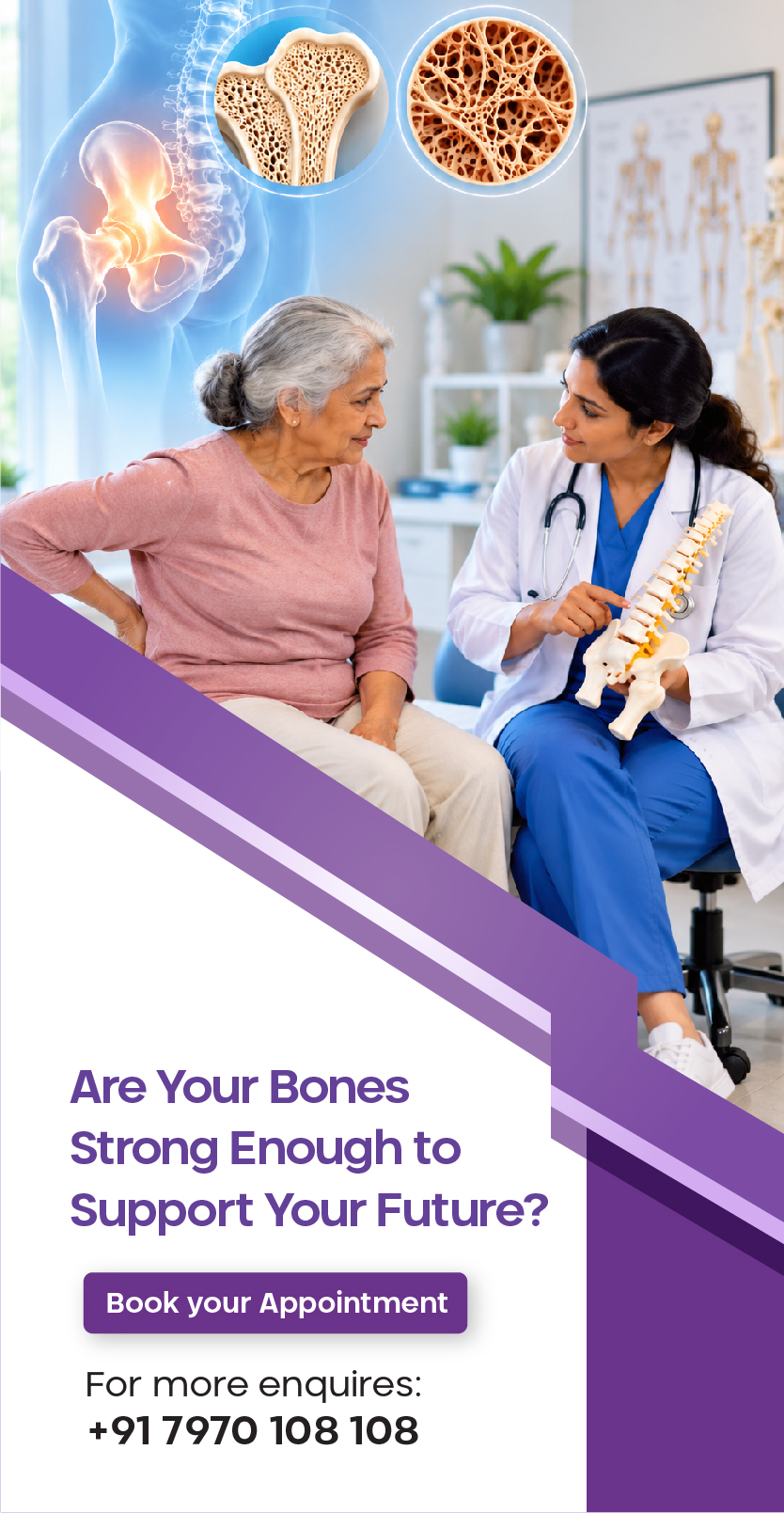
Healthy bone is living tissue that is continuously broken down and rebuilt. Osteoporosis develops when bone mass or strength decreases enough to increase fracture risk. It can affect both women and men, although risk increases with age and is particularly relevant after menopause because lower oestrogen levels can accelerate bone loss.
Osteoporosis is often called a silent condition because it usually does not cause symptoms before a fracture. Fractures can occur in the hip, spine, wrist and other bones. Vertebral fractures may cause back pain, loss of height or a stooped posture.
Who is at higher risk?
Several factors can increase the likelihood of developing osteoporosis:
- Older age
- Menopause and reduced oestrogen levels
- A family history of osteoporosis or hip fracture
- Low body weight
- Low calcium or vitamin D intake
- Limited physical activity
- Smoking and heavy alcohol use
- Certain medical conditions affecting hormones, digestion or bone metabolism
- Long-term use of medicines such as glucocorticoids
Having multiple risk factors or a fracture following a minor fall should prompt a discussion with a doctor.
When should you consider a bone density test?
A doctor may recommend a bone density assessment based on age, sex, medical history and fracture risk. Current USPSTF guidance recommends screening women aged 65 years or older and postmenopausal women younger than 65 who have increased fracture risk based on clinical assessment. Screening decisions for men should be individualised because evidence for routine population screening is currently insufficient.
A DXA or DEXA scan is the standard test used to measure bone mineral density at sites such as the hip and spine. It is quick, painless and uses low-dose X-rays. Results can help identify osteoporosis, lower-than-normal bone density and fracture risk, and can also help monitor treatment.
What happens during an osteoporosis evaluation?
A specialist will review your medical history, previous fractures, medications, family history, diet, physical activity and other risk factors. Depending on your circumstances, blood tests may be recommended to look for medical conditions or nutritional deficiencies that could contribute to bone loss.
A bone densitometry scan can provide an objective measurement of bone mineral density and help doctors plan appropriate follow-up. Your clinician will interpret the result together with your health history and fracture risk.
How is osteoporosis treated?
The goal of treatment is to reduce fracture risk and protect bone strength. Management is individualised and may include lifestyle measures, supplements when needed and prescription medicines.
Calcium and vitamin D are important for bone health, but supplements are not automatically necessary for everyone. Your doctor may assess dietary intake and vitamin D status before recommending supplementation.
Weight-bearing activity and resistance exercises can support bone strength, while balance exercises may help reduce falls. If you already have significant osteoporosis or a history of fractures, exercise should be planned with appropriate professional guidance.
When fracture risk is sufficiently high, medicines may be recommended. Bisphosphonates are commonly used to slow bone loss. Other options, including denosumab or bone-forming medicines, may be considered for selected patients depending on fracture risk, medical history and treatment response.
Treatment should not be started or stopped without medical advice. Some medicines require specific instructions and monitoring.
Why does osteoporosis need long-term follow-up?
Osteoporosis management is not simply about improving a scan result. The broader aim is to reduce future fractures while maintaining mobility and independence.
Your doctor may review risk factors, medication use, health conditions that contribute to bone loss and, when appropriate, repeat bone density testing.
Preventing falls is especially important for older adults. Improving lighting, keeping walkways clear and addressing balance problems can reduce avoidable fall risks.
How can you support bone health?
Daily habits matter throughout adulthood. A balanced diet that provides adequate calcium, vitamin D and protein supports bone health. Regular physical activity, including weight-bearing and resistance exercises appropriate to your health status, can help maintain strength.
Avoiding smoking and limiting excessive alcohol intake are additional steps that support bone health. If you have a condition or take medication that may affect your bones, discuss prevention strategies with your doctor rather than taking supplements or stopping medicines on your own.
For more information, Sri Ramakrishna Hospital also discusses bone health after 40, including lifestyle factors that can influence bone strength.
Osteoporosis care at Sri Ramakrishna Hospital, Coimbatore
Sri Ramakrishna Hospital’s Orthopaedics department provides care for bone, joint and musculoskeletal conditions and lists bone densitometry among its procedures. The hospital also has a dedicated bone densitometry service that uses low-dose X-rays to measure bone mineral density and provides assessment for osteoporosis, fracture risk and treatment monitoring.
For patients who need a bone density assessment, the hospital’s bone densitometry scan service describes the scan as a quick, painless procedure and lists the hip and spine among the areas commonly assessed.
The hospital also has a Rheumatology and Clinical Immunology department that provides care for conditions involving bones and joints and notes osteoporosis among the conditions managed through medical treatment.
For additional reading, Sri Ramakrishna Hospital has also discussed lifestyle changes for osteoporosis, including nutrition, physical activity and other measures that can support bone health.
When should you consult a specialist?
You do not need to wait for a fracture before discussing bone health. Consider speaking with a doctor if you have had a fracture after a minor fall, multiple osteoporosis risk factors, early menopause, long-term glucocorticoid use, or a medical condition that may affect bone strength.
If you are looking for osteoporosis treatment in Coimbatore, a specialist can assess your individual fracture risk, determine whether a DXA scan is needed and discuss lifestyle measures or medicines where appropriate. For people searching for an osteoporosis specialist in Coimbatore or a bone health hospital in Coimbatore, choosing a facility with specialist evaluation and bone density testing can support timely assessment and continued care.