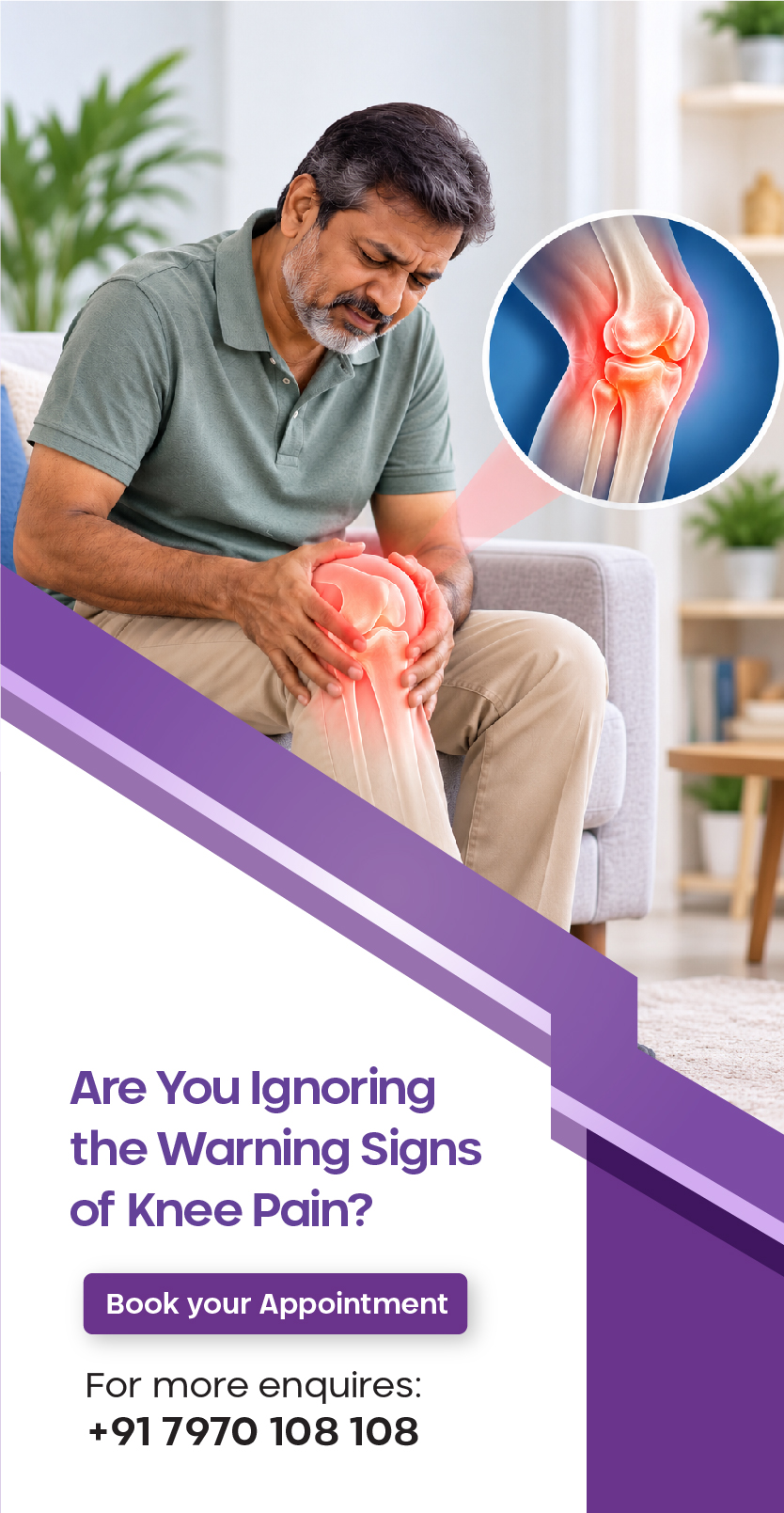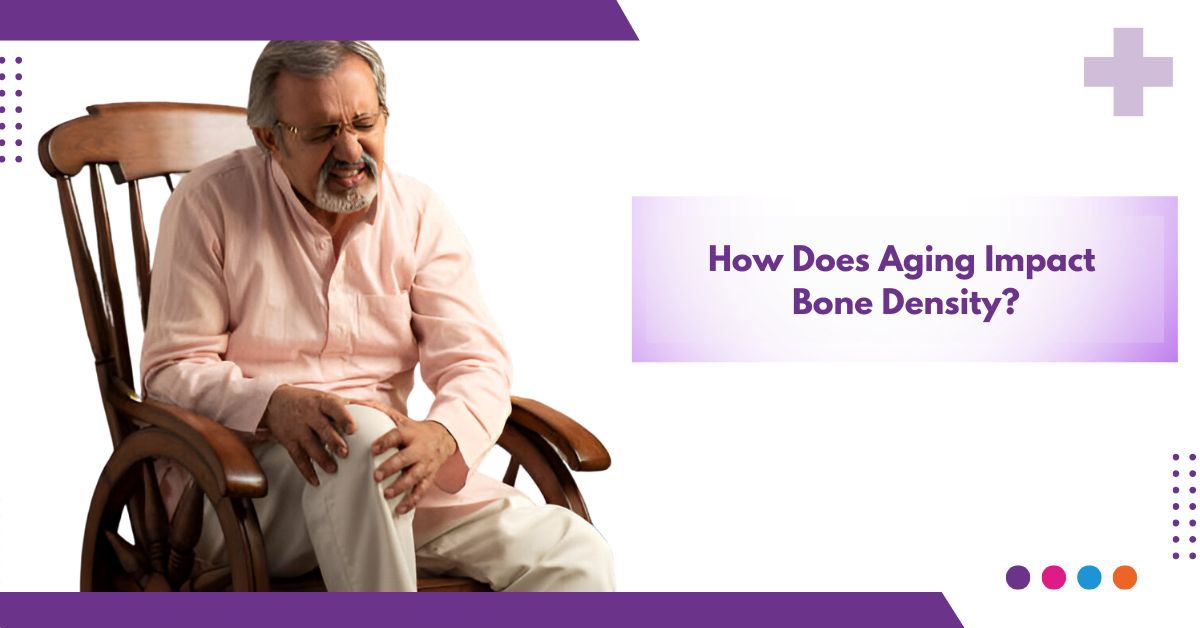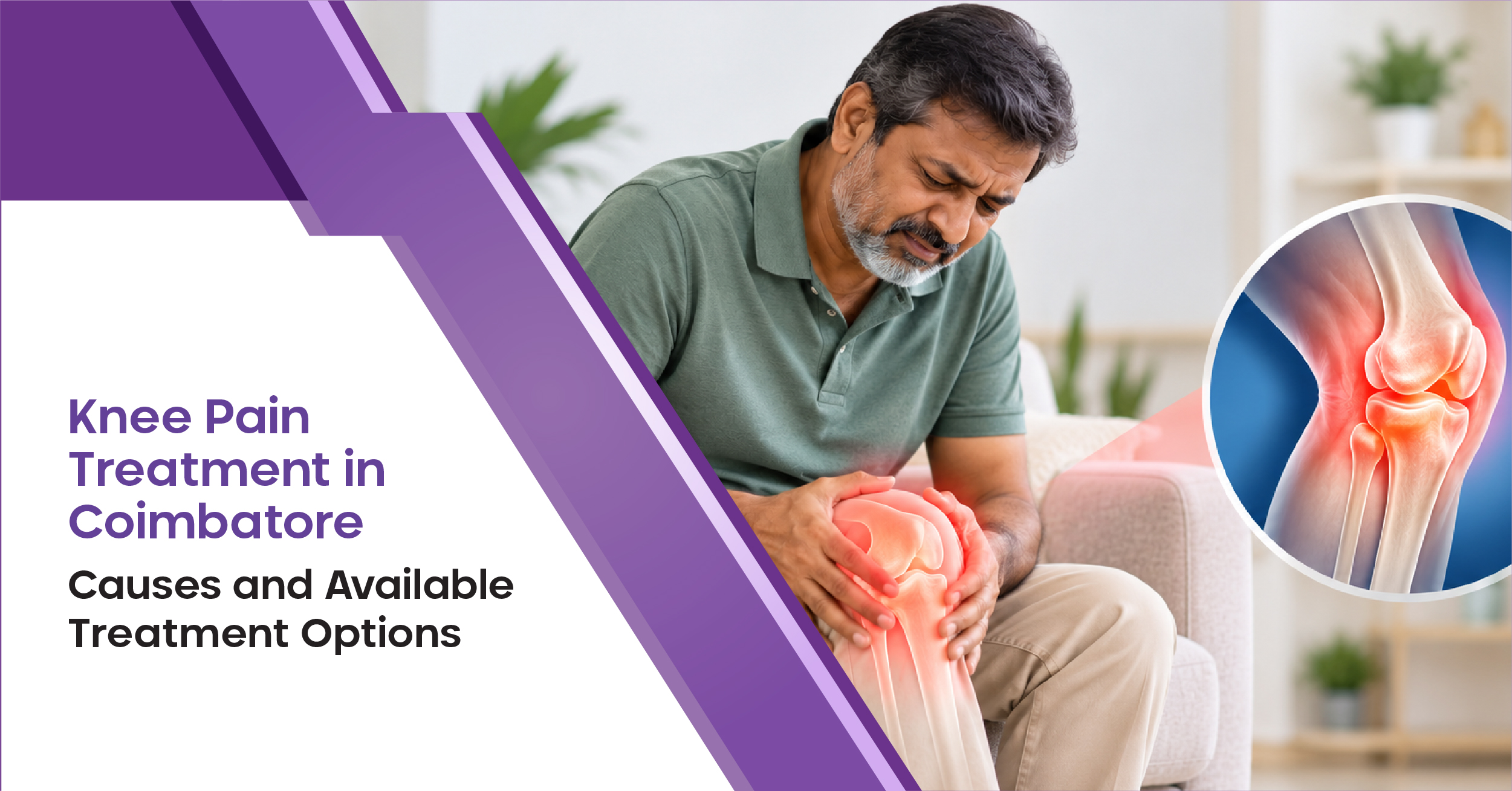
Knee pain can make simple activities such as walking, climbing stairs, sitting down or exercising uncomfortable. It can affect people of different ages and may develop after an injury, repeated strain, arthritis or another underlying condition. Because treatment depends on the cause, persistent knee pain should not be treated as something that must simply be tolerated.
Sri Ramakrishna Hospital’s guide to knee pain complications also explains why ongoing symptoms deserve appropriate medical evaluation.
What causes knee pain?
The knee is a complex joint made up of bones, cartilage, ligaments, tendons and other supporting tissues. Problems affecting any of these structures can cause pain, swelling, stiffness or difficulty moving.
Common causes include:
- Osteoarthritis and other forms of arthritis
- Ligament injuries, including ACL injuries
- Meniscus or cartilage injuries
- Tendinitis and other tendon problems
- Bursitis
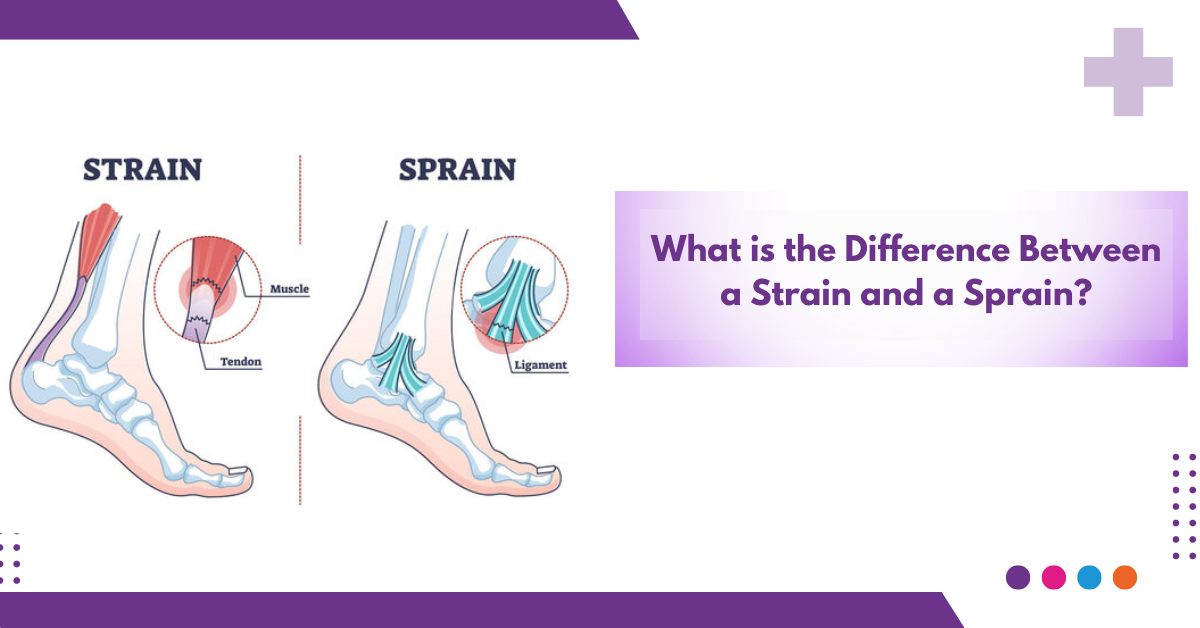
- Sprains and strains
- Fractures or other injuries
- Gout or joint inflammation
- Infections affecting the joint
Knee pain can occur suddenly after an injury or develop gradually over time. Osteoarthritis is particularly associated with increasing age, previous joint injury, repeated joint stress and excess body weight. WHO recommends exercise, healthy weight management and appropriate rehabilitation as important parts of managing osteoarthritis.
What symptoms should you look out for?
Knee problems can produce different symptoms depending on the underlying condition. You may notice pain while walking or climbing stairs, stiffness after periods of inactivity, swelling, reduced movement or a sensation of instability.
Some people also experience clicking, locking or difficulty fully bending or straightening the knee. A knee that repeatedly gives way after an injury may indicate damage to a ligament or other internal structure and should be assessed by a medical professional.
The presence of a symptom does not establish a diagnosis. An orthopedic evaluation can help determine whether the problem involves the joint, cartilage, ligaments, tendons or another structure.
When should you see a doctor?
Occasional discomfort after strenuous activity may settle with appropriate rest, but persistent or worsening knee pain should be evaluated. You should consider seeing a doctor if pain continues for several weeks, repeatedly returns or begins affecting normal activities.
Medical assessment is particularly important if you have:
- Significant or persistent swelling
- Difficulty walking or putting weight on the leg
- Reduced range of movement
- Repeated episodes of the knee giving way
- Pain that interferes with sleep or daily activities
- Symptoms that started after a significant injury
NHS guidance recommends urgent assessment when the knee is very painful, badly swollen, changes shape, cannot be moved or cannot bear weight. A hot, swollen knee accompanied by fever or feeling unwell can also require urgent evaluation because infection is one possible cause.
How is knee pain diagnosed?
Diagnosis usually begins with a discussion of your symptoms, medical history and previous injuries, followed by a physical examination. The doctor may assess swelling, movement, stability, tenderness and how the knee functions during specific movements.
Depending on the suspected cause, imaging such as an X-ray, ultrasound or MRI may be recommended. X-rays can help identify changes in bone and joint structure, while MRI can provide more detailed information about soft tissues such as ligaments, cartilage and menisci.
The appropriate investigation depends on the individual clinical situation rather than simply the intensity of pain.
What are the treatment options?
There is no single treatment that works for every type of knee pain. The treatment plan depends on the diagnosis, severity of symptoms, age, activity level and overall health.
Non-surgical treatment
Many knee problems can initially be managed without surgery. Depending on the condition, treatment may include:
- Physiotherapy and strengthening exercises
- Activity modification
- Weight management where appropriate
- Pain-relieving or anti-inflammatory medicines when prescribed or recommended
- Bracing or other supportive measures
- Rehabilitation following an injury
For knee osteoarthritis, exercise and weight management are key components of treatment. Medication may also be used when appropriate, while rehabilitation can help maintain movement and function.
Sri Ramakrishna Hospital also discusses advanced orthopedic treatments for sports injuries and arthritis, including rehabilitation, minimally invasive procedures and surgical approaches where clinically appropriate.
When might surgery be considered?
Surgery may be considered when there is significant structural damage, certain serious injuries or advanced arthritis, particularly when symptoms remain disabling despite appropriate non-surgical treatment.
Arthroscopic procedures may be used for selected joint problems, while ligament reconstruction can be considered for certain ligament injuries. Joint replacement is another option for some people with severe joint damage.
The decision to operate should be based on the diagnosis, symptoms, examination findings, imaging and discussion between the patient and orthopedic specialist.
When is knee replacement considered?
Knee replacement is generally considered when severe joint damage causes persistent pain and substantially limits mobility or daily activities. Osteoarthritis is a common reason, although previous injuries and other conditions can also contribute to severe joint damage.
A partial replacement may be suitable when damage is limited to a specific part of the knee, while total replacement involves replacing more extensively damaged joint surfaces. The appropriate procedure depends on the location and extent of joint damage.
You can learn more about knee replacement surgery in Coimbatore through Sri Ramakrishna Hospital’s dedicated treatment page.
Knee pain treatment at Sri Ramakrishna Hospital, Coimbatore
Sri Ramakrishna Hospital’s Orthopaedics Department provides care for a range of bone, joint and musculoskeletal conditions. Its published services include knee replacement, arthroscopic procedures, ligament reconstruction, fracture fixation, hip replacement, ankle replacement and rotator cuff surgery.
The department lists orthopedic consultants with areas of expertise that include trauma and orthopaedics, arthroscopy and sports medicine, joint replacement and minimally invasive spine surgery. The hospital also provides physiotherapy services that may form part of rehabilitation following orthopedic injuries and procedures.
Patients looking for orthopedic care in Coimbatore can review the department’s available services and specialist areas. For someone searching for a knee pain hospital in Coimbatore, it is useful to consider whether the facility can provide appropriate diagnosis, non-surgical management, surgical care when indicated, and rehabilitation.
A knee specialist in Coimbatore can assess the underlying cause of persistent knee symptoms and recommend a treatment plan based on the individual patient’s condition.
Final thoughts
Knee pain can have many causes, so treatment should begin with an accurate assessment rather than assuming that every case is arthritis or requires surgery. Many people can benefit from exercise, physiotherapy, lifestyle changes, and other non-surgical approaches, while some conditions may require a procedure or joint replacement.
If knee pain persists, worsens, or interferes with normal activities, consult a qualified orthopedic professional. Prompt evaluation can help identify the cause and determine the most appropriate knee pain treatment in Coimbatore for your individual needs.