The new gen lifestyle might seem to provide convenience and comfort, but these habits might put pressure on your body in several ways. Though the technologies advance, there is still a lack of awareness among people about their everyday lifestyle choices, like what they eat, how much they sleep and move, and how they cope with stress.
These factors can also lead to an increased risk of surgeries. According to the World Health Organization (WHO), there are more or less 300 million surgeries performed per year. So, in this blog, let’s see how your lifestyle is increasing the risk of surgeries and what you should know before health issues become severe.
Can Your Lifestyle Lead To Surgeries?
Indeed. Lifestyle choices might lead to an increased risk because certain long term lifestyle habits could lead to surgeries. Diseases that involve the joints, heart, digestive system, and metabolism often increase because of bad lifestyle habits.
For example, being inactive for a long period of time might weaken your muscles and joints. So, there is a high chance of injuries. If you leave your weakened muscles and joints untreated for a long period, then it might require corrective procedures or joint replacement surgeries. Likewise, unhealthy lifestyle bad habits and excessive weight gain might add excessive stress on the blood vessels, internal organs, and bones. When these problems increase, surgical procedures might become necessary.
Lifestyle related health issues usually progress in silence, usually with only a few signs until the damage becomes serious. Here is why preventive awareness is vital. Frequently assessing habits and making small changes might lead to long term benefits and help reduce the need for surgeries.
What Are The Unhealthy Lifestyle Habits That Affect Your Health?
Certain daily habits might lead to declining health and increase the likelihood of medical difficulties that might need surgery.
- Ignoring Preventive Care: Skipping regular health checkups or neglecting symptoms at the early stage makes health conditions get worse and also makes manageable conditions into problems that require surgical procedures.
- Sedentary Lifestyle: Prolonged sitting might lead to the risk of fistula, which might need surgery. Sitting for too long can also decrease metabolism and reduce your muscle strength. Too much inactivity can lead to back problems, stiffness in the joints, and poor blood circulation. These sedentary habits may result in herniated discs, spinal issues, and degenerative joint disorders.
- Chronic Stress: Long term stress can trigger hormonal changes and inflammation, disrupting the body’s natural ability to recover. Stress also impacts cardiovascular, digestive, and immune health. This increases vulnerability to conditions that might need surgery.
- Poor Sleep Routine: Irregular or inadequate sleep disrupts your body’s natural healing process. A persistent poor sleep routine may lead to hormonal imbalance, weight gain, high blood pressure, and reduced immunity.
- Unbalanced Diet: A diet that has too much processed food, unhealthy fats, and sugar but has less fiber. Due to this, one who regularly follows these kinds of diets might develop fatty liver disease, obesity, and cardiovascular problems, which are conditions that might require medical attention.
Also, it is important to note that bad habits like drinking and smoking are way too harmful and unhealthy, and can compromise your long term health. Small lifestyle changes and awareness can help reduce the risk of developing conditions that require surgery.
What Are The Diseases People Suffer Because Of Lifestyle And Bad Eating Habits?
If not addressed at an early stage, unhealthy lifestyle habits lead to several medical conditions that usually need surgical attention from experts such as the top general surgeon in Coimbatore.
1) Heart Conditions
Lack of physical activity, bad dietary habits, and unmanaged stress can affect heart function and blood vessels. Advanced cardiovascular issues might need surgery.
2) Joint And Spine Problems
Inactivity and excessive weight might increase joint pressure on the hip, knees, and lower back. Persistent wear and tear might cause reduced mobility, pain, and structural problems. This sometimes needs joint replacement or other surgeries.
3) Metabolic Disorders
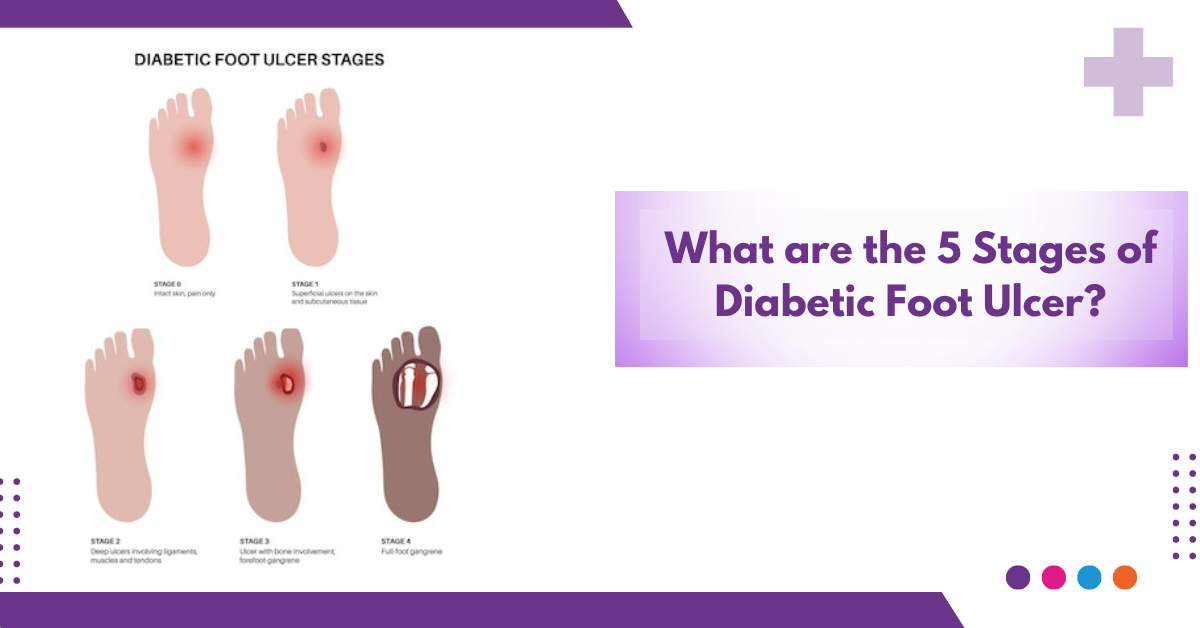
Inactivity or bad nutritional habits might lead to diabetes, obesity, and fatty liver disease. In certain cases, surgical options become necessary when lifestyle changes are not adequate.
4) Digestive Conditions
Diets that are high in processed foods and low in fiber disrupt digestion and gut health. Persistent strain might lead to hernias, gallstones, inflammatory bowel conditions, or ulcers, which might require surgery.
5) Obesity Related Issues
Being overweight increases the risk of joint damage, hernia, organ strain, and sleep apnea. Many obesity related issues develop silently and might need surgical solutions if left unmanaged.
While environmental and genetic factors also play a part, lifestyle choices usually determine how quickly these conditions progress and how severe they might become.
How To Prevent Unhealthy Lifestyle Habits To Reduce Surgery Risk?
Surgeries are often lifesaving. But many can be delayed or avoided by switching from unhealthy lifestyle choices to healthier lifestyle choices:
- Regular Checkups: Frequent checkups from Coimbatore’s general surgery hospital help in identifying potential health issues at the early stage, preventing conditions from reaching very complicated stages.
- Stay Active: Routine physical activity, such as swimming, walking, strength training, or yoga, maintains cardiovascular fitness and joint health.
- Manage Stress: Practice meditation, mindfulness, hobbies, or deep breathing exercises to reduce chronic stress.
- Prioritize Sleep: Focus on 7 to 9 hours of quality sleep every day.
- Eat Mindfully: Focus on nutrient rich, whole foods such as fruits, vegetables, lean proteins, and whole grains. Limit the consumption of refined sugars and processed foods.
How To Stop Drinking And Smoking To Reduce The Risk Of Surgeries?
Yes, stopping smoking and drinking reduces the likelihood of serious surgical complications. This also prevents the need for repeated procedures. Quitting these habits reduces the occurrence of wound infection, promotes faster healing, improves survival, and lowers reoperation rates.
What Causes High Vulnerability To Surgery?
Certain factors, health conditions, and habits such as smoking, age, sleep apnea, and obesity might increase the risk of complications that lead to surgeries. Additionally, certain health factors also increase anesthetic and surgical risks.
Which Lifestyle Habits Can Increase The Chance Of Surgical Risk?
Heavy alcohol consumption can increase the risk of surgical complications, including infections and bleeding. Also, obesity, poor nutrition, a sedentary lifestyle, and most importantly, smoking are the key lifestyle habits that, if not changed, could lead to serious surgical complications.
Conclusion
Lifestyle choices profoundly impact long term health and the likelihood of needing surgical intervention. An unbalanced diet, a sedentary lifestyle, poor sleep, chronic stress, ignoring early signs, and poor sleep gradually weaken the body and increase the chances of diseases requiring surgery. The good news is that consistent small changes can make a significant difference.
Incorporating balanced nutrition, movement, stress management, restorative sleep, and preventive healthcare helps shield the body from prolonged illness. Being proactive about lifestyle habits not only supports overall wellbeing but also decreases the risk of facing complex surgeries in the future.
Your lifestyle choices are the investment for your long term health. By embracing a healthier lifestyle, you can reduce preventable health risks and reduce the possibility of requiring surgeries in the future.