Medical situations can escalate quickly, making it essential to recognize when someone requires immediate medical attention. While many people are familiar with the concept of a medical emergency, there is often confusion about when a patient needs intensive care in a hospital setting. Understanding the difference between emergency treatment and critical care can help families act quickly and ensure the patient receives the right level of medical support.
If you or a loved one ever face a serious health situation, knowing the signs that require admission to an Intensive Care Unit (ICU) can make a life-saving difference. This guide explains how to identify when intensive care is required and when emergency medical services are necessary.
Understanding a Medical Emergency
A medical emergency refers to any sudden illness or injury that requires immediate medical attention to prevent serious harm or death. These situations are typically handled in the emergency department of a hospital where doctors and nurses stabilize the patient before deciding the next course of treatment.
Common examples of medical emergencies include:
- Severe chest pain or suspected heart attack
- Difficulty breathing
- Uncontrolled bleeding
- Sudden loss of consciousness
- Severe head injury
- Stroke symptoms such as facial drooping or slurred speech
- High fever with confusion or seizures
During such situations, patients are usually taken to an emergency department for immediate evaluation and treatment. Hospitals that specialize in emergency care hospital in Coimbatore settings are equipped with trained doctors, advanced diagnostic equipment, and rapid response teams to stabilize patients quickly.
However, some patients require more specialized monitoring and life-support systems beyond emergency treatment. That is where intensive care becomes necessary.
What is Intensive Care?
Intensive care refers to specialized medical treatment provided to patients with life-threatening illnesses or injuries. These patients require constant monitoring, advanced medical equipment, and support from highly trained healthcare professionals.
The treatment takes place in an Intensive Care Unit (ICU), where doctors, nurses, and specialists provide round-the-clock care.
Patients admitted to an intensive care unit in Coimbatore hospitals receive close monitoring of vital functions such as:
- Heart rate
- Blood pressure
- Oxygen levels
- Brain activity
- Organ function
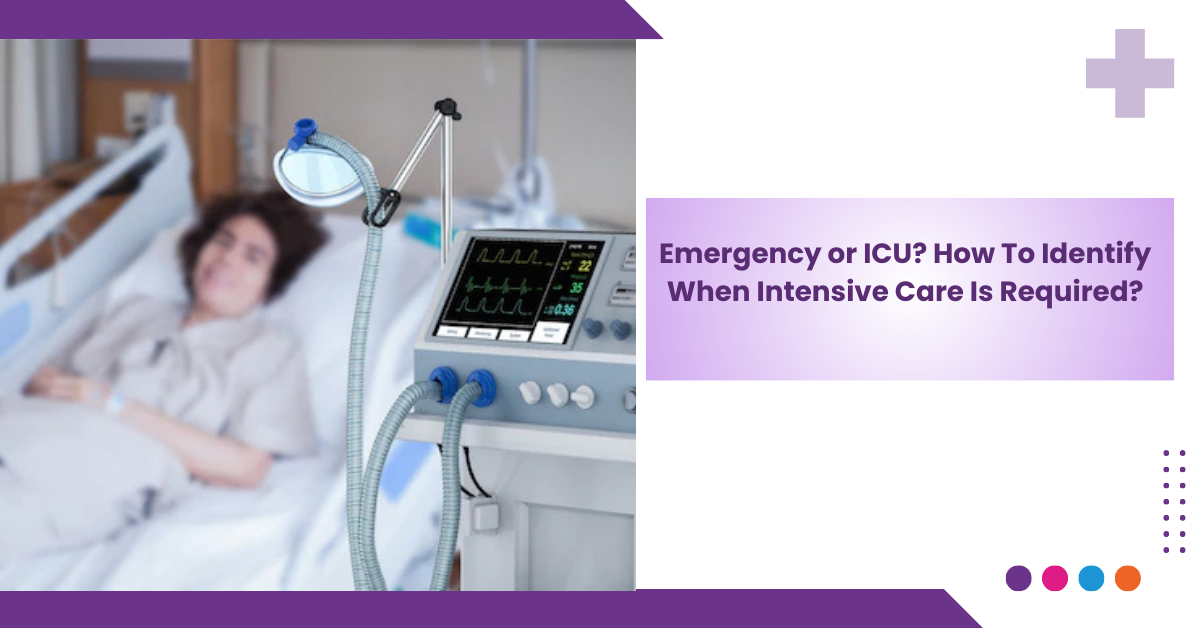
ICUs are equipped with advanced technology such as ventilators, cardiac monitors, infusion pumps, and dialysis machines. This level of care ensures that critically ill patients receive immediate intervention if their condition worsens.
Emergency Care vs Intensive Care: What’s the Difference?
Many people assume that emergency care and intensive care are the same, but they serve different purposes in a hospital.
Emergency Care
Emergency care focuses on stabilizing patients during sudden or life-threatening health events. Once the patient is stabilized, doctors decide whether the patient can go home, be admitted to a regular ward, or require intensive care.
Intensive Care
Critical care or intensive care is required when a patient’s condition remains unstable or life-threatening even after emergency treatment. These patients need continuous monitoring and specialized medical support.
In simple terms:
Emergency care handles immediate treatment.
Intensive care manages life-threatening conditions that require ongoing monitoring and support.
Signs That a Patient May Need Intensive Care
Certain medical conditions require admission to an ICU because the patient’s life may be at risk without constant monitoring. Recognizing these signs can help families understand the seriousness of the situation.
-
Severe Breathing Difficulties
Patients who cannot breathe properly on their own may require mechanical ventilation. Conditions such as severe pneumonia, respiratory failure, or complications from chronic lung disease often require critical care.
In such cases, doctors may use ventilators to support breathing and ensure adequate oxygen supply to vital organs.
-
Heart-Related Emergencies
Heart attacks, cardiac arrest, or severe heart rhythm abnormalities are common reasons for ICU admission. These conditions require close monitoring of heart activity and immediate medical intervention.
Patients with unstable heart conditions often need specialized cardiac care in an ICU setting.
-
Severe Infections or Sepsis
When ifections spread throughout the body and affect vital organs, the condition is known as sepsis. This is a life-threatening condition that requires immediate intensive care.
Patients with sepsis may experience:
- Extremely low blood pressure
- Organ failure
- Difficulty breathing
- Confusion or altered mental status
ICU teams provide aggressive treatment with antibiotics, fluids, and organ-support systems.
-
Major Trauma or Accidents
Severe injuries from road accidents, falls, or head trauma often require critical care. These injuries may involve multiple organs and require continuous monitoring and surgical intervention.
Patients with traumatic brain injuries, spinal injuries, or internal bleeding are often treated in intensive care units.
-
Stroke or Brain Injury
Stroke is a serious medical emergency that can cause permanent brain damage if not treated quickly. Patients with severe strokes often require monitoring in an ICU to manage brain swelling, blood pressure, and neurological functions.
Specialized care helps reduce complications and improves recovery outcomes.
-
Organ Failure
When vital organs such as the heart, kidneys, lungs, or liver stop functioning properly, patients require advanced life-support systems.
For example:
- Dialysis machines support kidney function
- Ventilators support lung function
- Cardiac devices help regulate heart rhythm
These treatments are typically available only in intensive care units.
Who Provides Care in the ICU?
Patients admitted to an ICU receive treatment from a team of highly trained healthcare professionals specializing in critical care. This team may include:
- Critical care physicians
- Specialized ICU nurses
- Respiratory therapists
- Neurologists
- Cardiologists
- Surgeons
The collaborative approach ensures that every aspect of the patient’s health is closely monitored and managed.
Importance of Choosing the Right Hospital
When dealing with life-threatening conditions, access to the right medical facility is crucial. Hospitals offering advanced emergency care in Coimbatore services and well-equipped ICUs can significantly improve patient outcomes.
A good ICU facility should offer:
- Advanced monitoring systems
- Experienced critical care specialists
- Emergency surgical support
- Round-the-clock medical staff
- Rapid diagnostic capabilities
Choosing a hospital with a well-equipped intensive care unit in Coimbatore ensures that patients receive timely and effective treatment during critical situations.
When to Seek Immediate Medical Help
In any situation where a person shows signs of a medical emergency, it is important to seek immediate medical attention. Delaying treatment can worsen the patient’s condition and reduce the chances of recovery.
You should seek emergency care if someone experiences:
- Sudden chest pain
- Difficulty breathing
- Severe injuries or bleeding
- Loss of consciousness
- Sudden confusion or seizures
- Signs of stroke
Prompt treatment in an emergency department can stabilize the patient and determine whether intensive care is required.
Conclusion
Medical emergencies can happen unexpectedly, and understanding when intensive care is required can help families make informed decisions during critical moments. While emergency departments handle immediate treatment, patients with life-threatening conditions often need ongoing monitoring and support in an ICU.
Recognizing warning signs such as severe breathing problems, heart complications, major trauma, or organ failure can help ensure patients receive the right level of critical care at the right time.
If you ever face a serious health situation, seeking treatment at a reliable emergency care hospital in Coimbatore with advanced ICU facilities can make a significant difference in patient survival and recovery.
By understanding the role of intensive care units in Coimbatore, families can respond quickly and ensure their loved ones receive the specialized care they need during life-threatening medical emergencies.