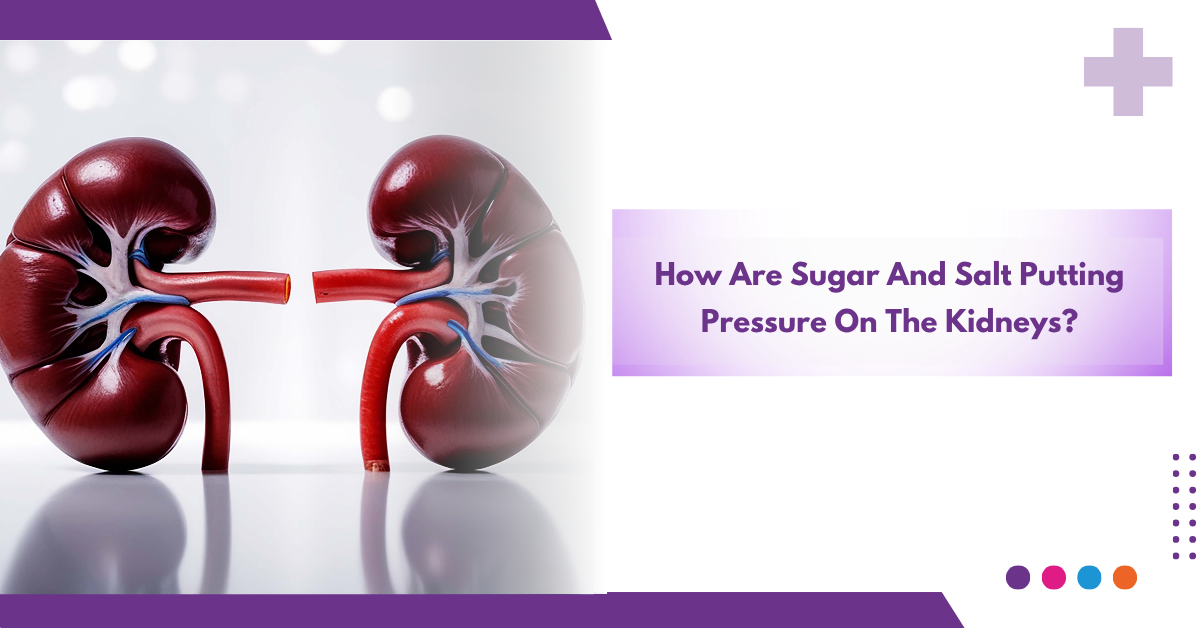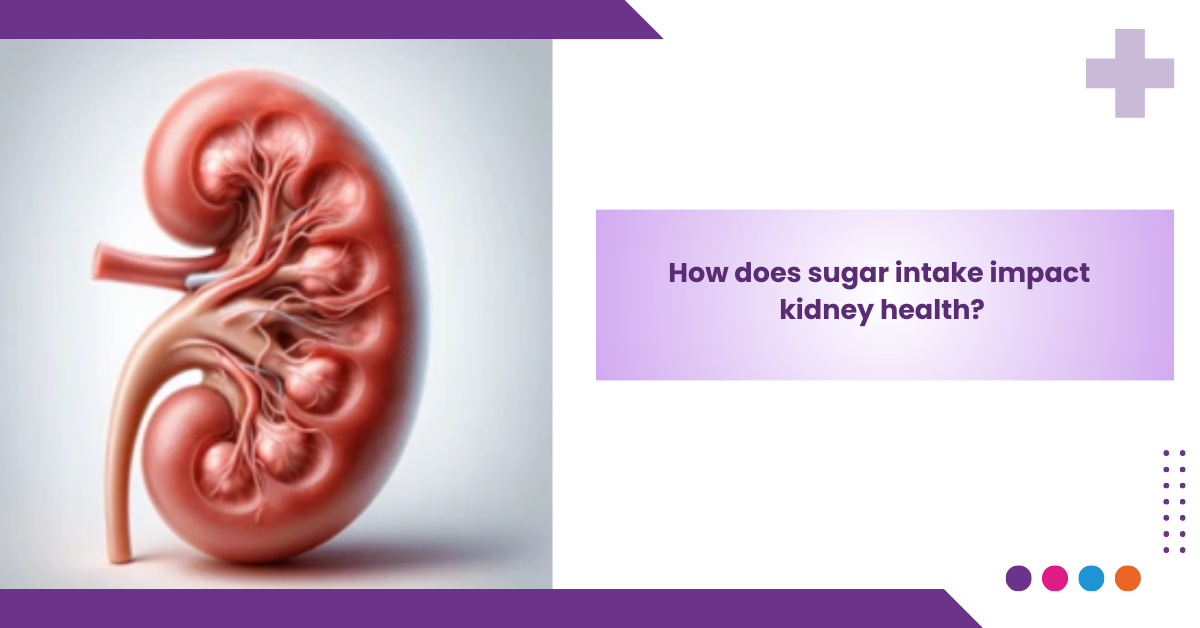
Sugar is everywhere — in beverages, packaged foods, desserts, and even so-called “healthy” snacks. While occasional indulgence may not harm, high sugar intake over time can silently damage vital organs, especially the kidneys. Understanding the effects of sugar on health is essential for preventing long-term complications such as chronic kidney disease and other serious kidney problems.
Understanding the Role of Kidneys in the Body
Your kidneys are powerful filtering organs. They remove waste, balance electrolytes, regulate blood pressure, and control fluid levels in the body. Healthy kidneys ensure toxins are flushed out effectively while maintaining overall internal balance.
When sugar consumption becomes excessive, it disrupts this delicate system — often without obvious symptoms in the early stages.
What Happens When You Consume Too Much Sugar?
High sugar intake affects the body in multiple ways:
- Raises blood glucose levels
- Increases insulin resistance
- Promotes weight gain
- Triggers inflammation
- Elevates blood pressure
Over time, these changes can strain the kidneys and increase the risk of developing a kidney problem.
The Link Between Sugar and Chronic Kidney Disease
One of the most serious consequences of long-term high sugar intake is chronic kidney disease (CKD).
1. Sugar and Diabetes
Excess sugar increases the risk of type 2 diabetes. High blood sugar damages the tiny blood vessels (glomeruli) in the kidneys. When these filters are damaged, they leak protein into urine — an early sign of kidney damage.
Diabetes is one of the leading causes of chronic kidney disease worldwide.
2. Sugar and High Blood Pressure
High sugar intake contributes to obesity and hypertension. Elevated blood pressure forces the kidneys to work harder, gradually impairing their filtering capacity.
3. Increased Inflammation
Refined sugars promote inflammation and oxidative stress, both of which accelerate kidney damage.
How High Sugar Intake Directly Affects Kidney Function
Increased Protein Leakage
Damaged kidney filters allow protein to pass into urine — a condition called proteinuria.
Fluid Retention
Kidney dysfunction may cause swelling in legs, feet, and face due to improper fluid balance.
Electrolyte Imbalance
Poor kidney function affects sodium, potassium, and calcium regulation.
Increased Risk of Kidney Stones
Sugary beverages, especially sodas high in fructose, increase the likelihood of kidney stone formation.
Hidden Sources of Sugar That Harm Kidney Health
Many people associate sugar only with sweets, but hidden sources include:
- Soft drinks and energy drinks
- Packaged fruit juices
- Breakfast cereals
- Flavored yogurt
- Sauces and salad dressings
- Processed snacks
Regular consumption of these items significantly raises high sugar intake levels, increasing the risk of kidney problems.
Early Warning Signs of Sugar-Related Kidney Damage
Kidney disease often develops silently. However, watch for:
- Foamy urine
- Frequent urination
- Fatigue
- Swelling in feet or hands
- High blood pressure
- Uncontrolled blood sugar
Early detection can prevent progression to chronic kidney disease.
The Effects of Sugar on Overall Health and Kidney Risk
The effects of sugar on health go beyond weight gain. Excess sugar is linked to:
- Type 2 diabetes
- Heart disease
- Fatty liver disease
- Metabolic syndrome
- Chronic inflammation
Since kidney health is closely connected to heart and metabolic health, sugar indirectly increases the burden on kidneys through multiple pathways.
Can Reducing Sugar Improve Kidney Health?
Yes — lowering sugar intake can significantly reduce kidney stress.
Control Blood Sugar Levels
Stable glucose levels protect kidney blood vessels.
Maintain Healthy Weight
Weight management lowers risk of diabetes and hypertension.
Reduce Blood Pressure
Lower sugar consumption supports better cardiovascular health.
Prevent Further Damage
In early stages of chronic kidney disease, dietary control can slow progression.
Recommended Daily Sugar Limits
Health experts recommend limiting added sugar to:
- 6 teaspoons (25g) per day for women
- 9 teaspoons (36g) per day for men
Reading food labels and avoiding sugary beverages are simple but powerful preventive steps.
Practical Tips to Protect Your Kidney Health
- Replace sugary drinks with water or herbal teas
- Choose whole fruits instead of fruit juices
- Avoid processed snacks
- Exercise regularly
- Monitor blood sugar and blood pressure
- Schedule regular health checkups
If you already have diabetes or hypertension, routine kidney screening is essential.
When to Consult a Specialist
If you experience persistent symptoms or have risk factors such as diabetes, obesity, or high blood pressure, consult a kidney specialist immediately. Seeking guidance from the best nephrologist in Coimbatore can help diagnose early kidney problems and prevent complications.
Final Thoughts
Sugar may seem harmless in small quantities, but consistent high sugar intake can silently compromise kidney health. From increasing the risk of diabetes to accelerating chronic kidney disease, the impact is profound.
Protecting your kidneys starts with simple dietary choices. Reducing added sugars, maintaining a balanced lifestyle, and seeking timely medical care can make a significant difference. Your kidneys work tirelessly for you every day — make conscious choices to protect them for a lifetime. For comprehensive evaluation and advanced care, visiting a reputed Kidney Hospital In Coimbatore ensures access to proper diagnostic facilities, dialysis services, and expert treatment plans tailored to individual needs.