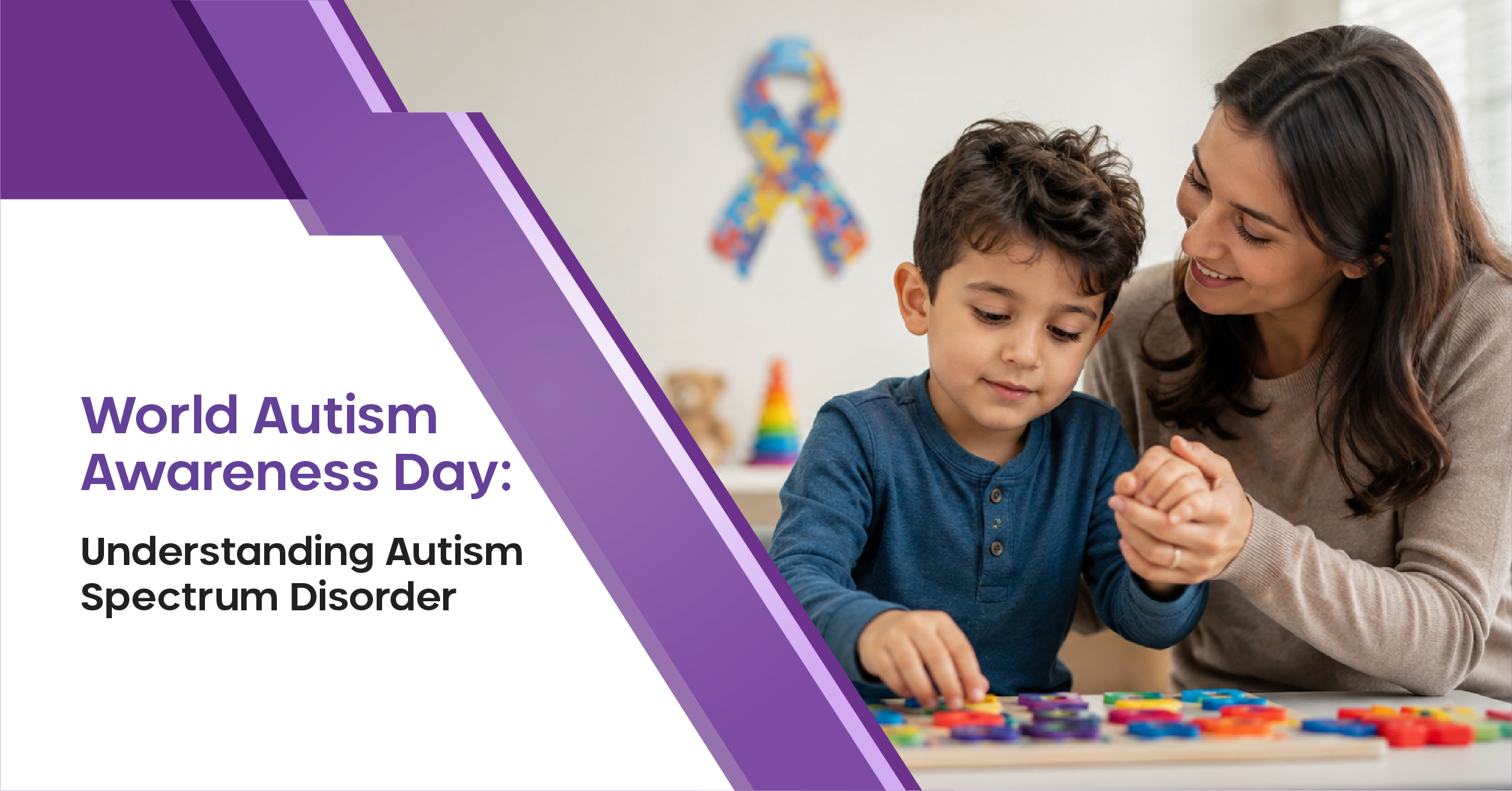
World Autism Awareness Day is observed to promote understanding, acceptance, and support for individuals living with autism. The day highlights the importance of recognizing autism early, encouraging inclusion, and helping families access appropriate care and resources.
As awareness continues to grow, more people are learning about autism spectrum disorder and the unique ways it affects communication, behavior, learning, and social interaction. Increased understanding can help create supportive environments where individuals with autism can reach their full potential.
Why World Autism Awareness Day Matters
World Autism Awareness Day serves as a global initiative to improve public understanding of autism and reduce misconceptions surrounding the condition.
Many families face challenges when seeking a diagnosis, accessing therapy, or finding educational support for children with autism. By promoting autism awareness, healthcare professionals, educators, and communities can help ensure that individuals with autism receive the support they need.
The day also encourages acceptance and inclusion, recognizing that every person with autism has unique strengths, abilities, and challenges.
What Is Autism Spectrum Disorder?
Autism spectrum disorder is a neurodevelopmental condition that affects how a person communicates, interacts socially, learns, and experiences the world around them.
The term “spectrum” reflects the wide range of symptoms and levels of support that individuals may require. Some people with autism live independently, while others may need significant assistance with daily activities.
Autism spectrum disorder typically begins in early childhood, although symptoms and severity can vary considerably from one individual to another.
It is important to understand that autism is not a disease and does not have a single cause. Research suggests that genetic and environmental factors may contribute to its development.
Understanding Autism as a Developmental Disorder
Autism is classified as a developmental disorder because it affects the development of communication, behavior, social interaction, and learning skills.
Children with autism may develop certain abilities differently from their peers. These differences may become noticeable during infancy or early childhood.
A developmental disorder can influence various aspects of growth, making early evaluation and intervention important for supporting a child’s progress and independence.
Common Signs of Autism
Recognizing the signs of autism early can help families seek professional evaluation and access appropriate interventions.
Some common signs of autism include:
Difficulties With Social Interaction
Children may have difficulty making eye contact, responding to their name, sharing interests, or engaging in social play.
Communication Challenges
Some children may experience delayed speech development, limited verbal communication, or difficulty understanding social cues.
Repetitive Behaviors
Repetitive movements such as hand flapping, rocking, spinning objects, or repeating certain words and phrases may be observed.
Restricted Interests
Individuals with autism may develop intense interests in specific topics or activities.
Sensory Sensitivities
Many children experience heightened or reduced sensitivity to sounds, lights, textures, smells, or other sensory inputs.
While these are common signs of autism, every individual is unique, and symptoms can vary significantly.
Early Diagnosis Makes a Difference
One of the most important messages highlighted during World Autism Awareness Day is the value of early identification.
Early diagnosis allows children to receive therapies and support services that can improve communication, learning, social skills, and daily functioning.
Healthcare professionals may use developmental assessments, behavioral evaluations, and parent observations to diagnose autism spectrum disorder.
Early intervention does not change who a child is but can help them develop important skills that support independence and quality of life.
Challenges Faced by Families
Families of children with autism often encounter various challenges, including:
Delayed Recognition of Symptoms
Parents may initially assume developmental differences are temporary, which can delay evaluation and intervention.
Access to Specialized Services
Finding qualified specialists, therapists, and educational support may sometimes be difficult.
Social Misunderstanding
Lack of public knowledge can lead to misconceptions about autism and create barriers to inclusion.
Emotional and Financial Stress
Managing therapies, educational needs, and long-term support can place significant demands on families.
Increasing autism awareness helps communities better understand these challenges and support affected families.
Supporting Individuals With Autism
Every person with autism has unique strengths and abilities. Support strategies should be individualized based on specific needs.
Helpful interventions may include:
- Speech and language therapy
- Occupational therapy
- Behavioral therapy
- Educational support programs
- Social skills training
- Family counseling and guidance
With appropriate support, many individuals with autism can successfully participate in school, work, relationships, and community life.
The Importance of Acceptance and Inclusion
Awareness is an important first step, but acceptance and inclusion are equally important.
Creating inclusive environments involves:
- Respecting individual differences
- Encouraging participation in education and community activities
- Providing equal opportunities
- Reducing stigma and misconceptions
- Supporting families and caregivers
World Autism Awareness Day reminds us that understanding and acceptance can have a meaningful impact on the lives of individuals with autism and their families.
How Sri Ramakrishna Hospital Supports Developmental Care
Sri Ramakrishna Hospital offers comprehensive healthcare services for children and families through its multidisciplinary medical teams. The hospital focuses on early evaluation, diagnosis, and management of developmental and behavioral concerns using a patient-centered approach.
With access to experienced specialists, diagnostic facilities, and coordinated care services, families can receive guidance and support when addressing developmental challenges. The hospital emphasizes early intervention and individualized care plans that help children achieve their developmental potential.
Final Thoughts
World Autism Awareness Day provides an opportunity to increase understanding, promote inclusion, and support individuals living with autism.
Autism spectrum disorder is a developmental disorder that affects communication, behavior, and social interaction in different ways. Recognizing the signs of autism early and seeking professional evaluation can help children access valuable support services during critical stages of development.
By strengthening autism awareness and fostering acceptance within communities, we can create a more inclusive society where individuals with autism are respected, supported, and empowered to thrive. Understanding autism is not only about awareness but also about recognizing the strengths, talents, and potential of every individual on the spectrum.