Vaccination is one of the most effective public health measures ever developed. It has helped prevent millions of deaths, reduced the spread of infectious diseases, and protected communities across the world. Every year, World Immunization Week serves as a reminder of the critical role vaccines play in safeguarding health at every stage of life.
While many people associate vaccines with childhood, immunization remains important throughout adulthood and older age as well. Increasing immunization awareness can help individuals make informed decisions about protecting themselves, their families, and their communities from preventable diseases.
Why World Immunization Week Matters
World Immunization Week is observed annually to highlight the benefits of vaccines and encourage people of all ages to stay up to date with recommended immunizations.
The campaign focuses on raising awareness about the importance of vaccination and promoting equitable access to vaccines. It also helps address misconceptions and emphasizes the role of immunization in preventing serious illnesses.
Through education and community engagement, World Immunization Week encourages individuals to take proactive steps toward better health and disease prevention.
Understanding How Vaccines Work
Vaccines help the body’s immune system recognize and fight harmful viruses and bacteria before they cause serious illness.
When a vaccine is administered, the immune system learns to identify specific disease-causing organisms. If the person is later exposed to the actual infection, the body can respond more effectively and reduce the risk of severe disease.
This preventive approach has contributed significantly to the control and reduction of many infectious diseases worldwide.
The Importance of Vaccination in Disease Prevention
The importance of vaccination extends beyond individual protection. Vaccines also help reduce the spread of infections within communities.
Benefits of vaccination include:
- Prevention of serious diseases
- Reduction in disease-related complications
- Lower hospitalization rates
- Protection for vulnerable populations
- Reduced healthcare burden
- Improved public health outcomes
The importance of vaccination becomes particularly evident during outbreaks of infectious diseases, where immunized populations are often better protected.
Vaccines continue to play a vital role in supporting global health and preventing the resurgence of previously controlled illnesses.
Vaccines Are Not Just for Children
A common misconception is that vaccines are only necessary during childhood. In reality, vaccines for all ages are an essential component of lifelong health.
Different age groups have different immunization needs based on health status, lifestyle, travel plans, and risk factors.
Childhood Vaccinations
Childhood immunizations help protect against diseases such as measles, mumps, rubella, polio, diphtheria, tetanus, and pertussis.
Adolescent Vaccinations
Teenagers may require booster doses and vaccines that provide protection against specific infections during adolescence.
Adult Vaccinations
Adults may need vaccines for influenza, hepatitis, tetanus, and other preventable diseases depending on individual risk factors.
Vaccinations for Older Adults
Older adults often have a higher risk of complications from infectious diseases. Certain vaccines can help reduce this risk and support healthy aging.
This highlights the importance of vaccines for all ages as part of comprehensive health maintenance.
Common Barriers to Immunization
Despite the proven benefits of vaccines, several factors can contribute to lower vaccination rates.
Lack of Awareness
Some individuals may not know which vaccines are recommended at different stages of life.
Misconceptions About Vaccine Safety
Misinformation can create unnecessary concerns and discourage people from receiving recommended immunizations.
Delayed Healthcare Visits
Busy schedules and competing priorities may lead people to postpone vaccinations.
Limited Understanding of Disease Risks
Many vaccine-preventable diseases have become less common due to successful immunization programs, which can sometimes lead people to underestimate their potential impact.
Improving immunization awareness helps address these barriers and encourages informed healthcare decisions.
Vaccination and Preventive Healthcare
Vaccination is a cornerstone of preventive healthcare because it helps stop diseases before they occur.
Preventive healthcare focuses on maintaining health, reducing disease risk, and detecting potential problems early. Immunization is one of the most effective preventive strategies available today.
By preventing illness rather than treating it after infection occurs, preventive healthcare helps improve quality of life and reduce healthcare costs.
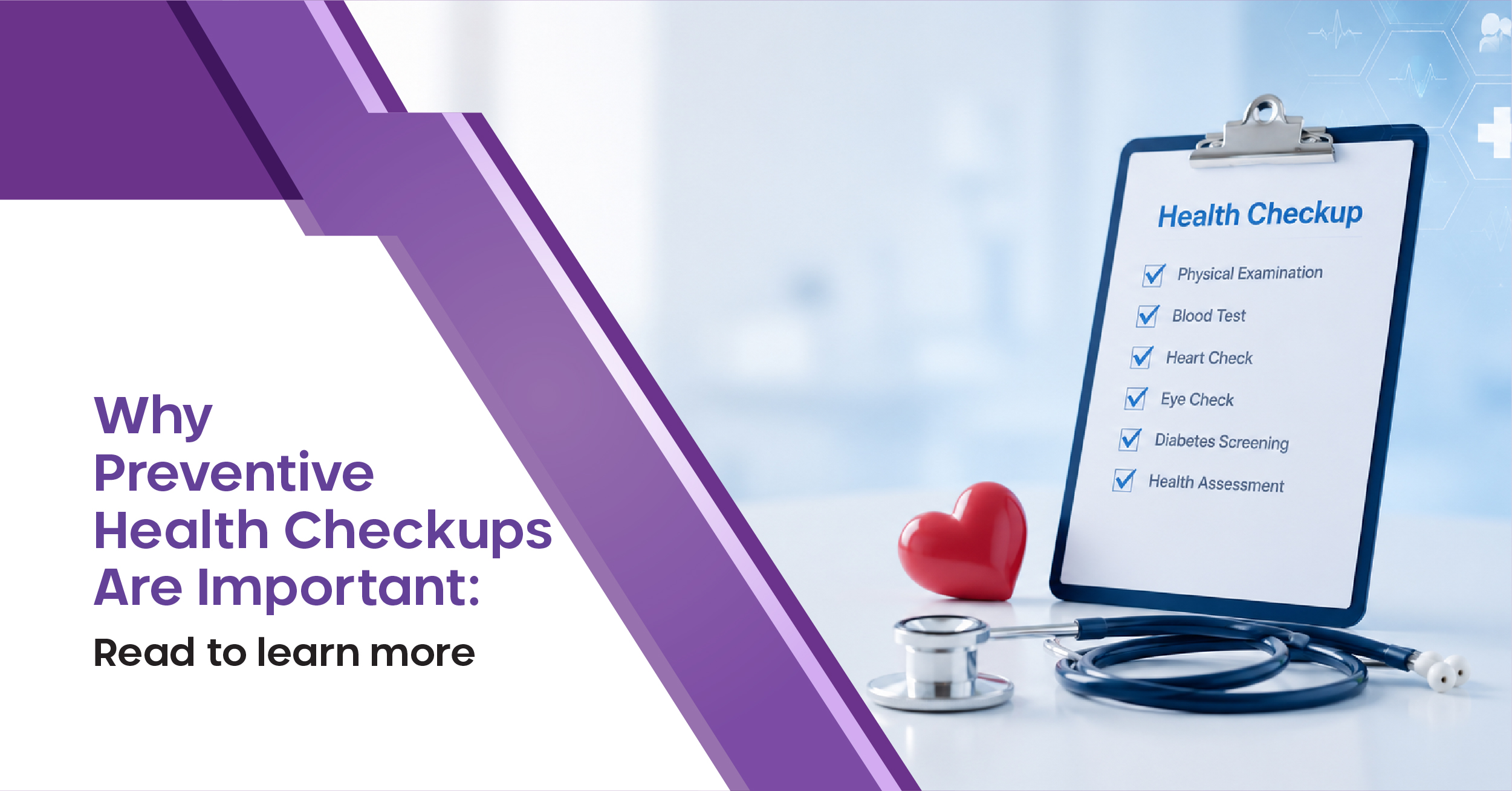
Routine health checkups often provide an opportunity for healthcare providers to review vaccination status and recommend appropriate immunizations.
The Community Benefits of Immunization
Vaccination not only protects individuals but also contributes to community health.
When a large portion of the population is immunized, disease transmission decreases, helping protect people who may be unable to receive vaccines due to certain medical conditions.
This collective protection is an important reason why the importance of vaccination extends beyond personal health and supports broader public health goals.
Strong immunization programs continue to play a critical role in controlling infectious diseases and preventing outbreaks.
How Sri Ramakrishna Hospital Supports Preventive Healthcare
Sri Ramakrishna Hospital is committed to promoting preventive healthcare through comprehensive health services, patient education, and preventive medicine initiatives.
The hospital supports immunization programs across different age groups and emphasizes the importance of disease prevention through vaccination. With experienced healthcare professionals and patient-focused care, individuals can receive guidance on recommended immunizations based on their age, health status, and medical history.
By encouraging preventive healthcare practices, the hospital helps individuals and families take proactive steps toward maintaining long-term health and well-being.
Final Thoughts
World Immunization Week reminds us that vaccines remain one of the most powerful tools for protecting public health. From infancy to older adulthood, immunization helps prevent serious diseases, reduces complications, and supports healthier communities.
Understanding the importance of vaccination allows individuals to make informed decisions about their health and the health of their loved ones. As healthcare continues to evolve, vaccines for all ages remain an essential part of disease prevention and long-term wellness.
By increasing immunization awareness and embracing preventive healthcare measures, individuals can help protect themselves and contribute to a healthier future for everyone. Regular consultations with healthcare professionals can help ensure that recommended vaccinations remain up to date throughout every stage of life.