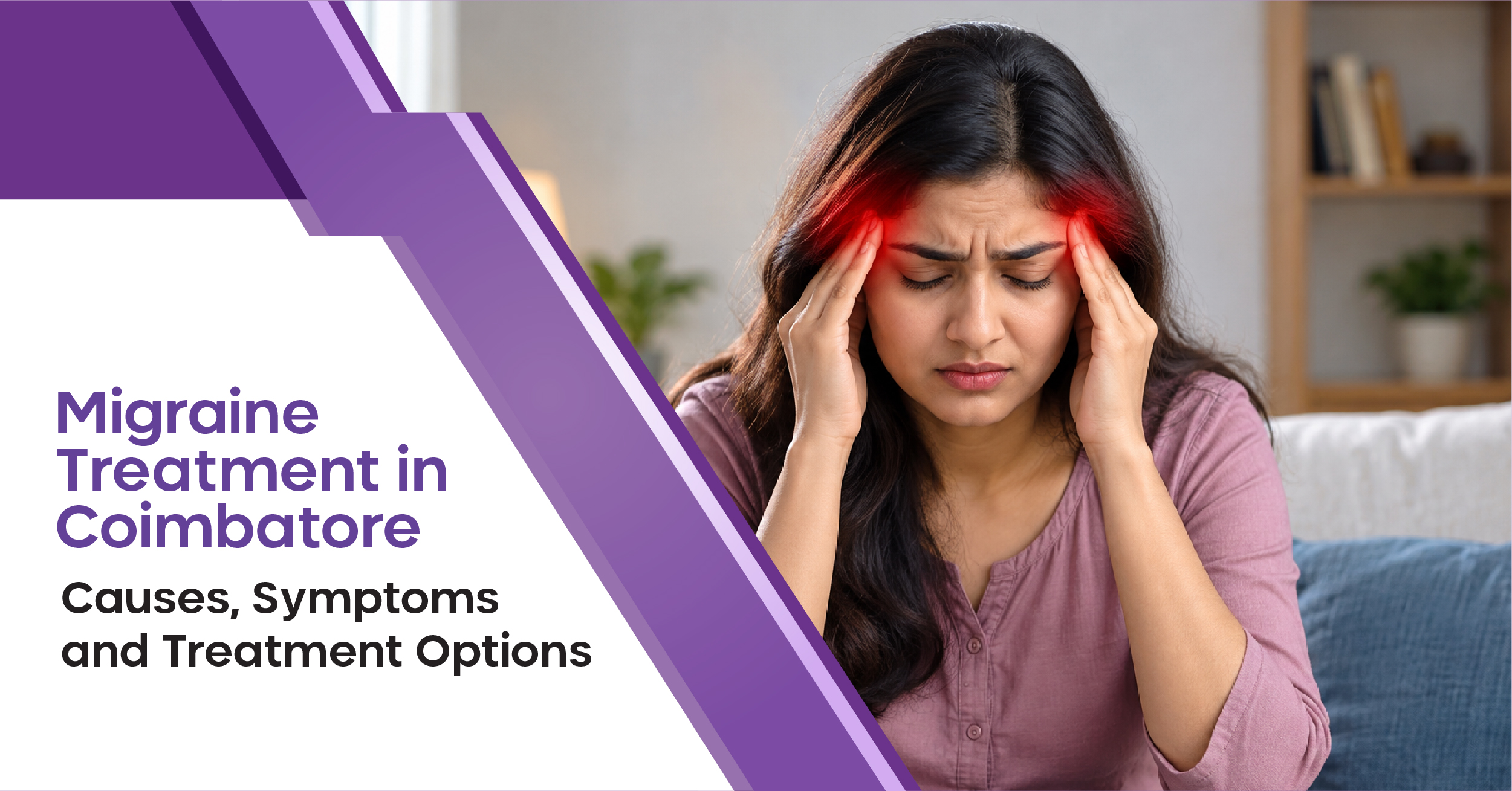
A migraine is more than an ordinary headache. It is a neurological condition that can cause throbbing or pulsating head pain along with nausea, vomiting, and sensitivity to light or sound. An attack can last for several hours or even days and may interfere with work, sleep, and everyday activities. Understanding the symptoms, triggers, and available treatments can help you seek appropriate medical care rather than relying on repeated self-medication.
What is a migraine?
Migraine is a neurological condition involving changes in the brain and its pain pathways. The exact cause is not completely understood, but genetic and environmental factors can contribute. Certain situations or lifestyle factors can trigger an attack in people who are prone to migraines.
Migraines can occur with or without an aura. Aura refers to temporary neurological symptoms that may appear before or during an attack. These can include flashing lights, zigzag patterns, blind spots, and tingling or difficulty speaking. Not everyone with migraines experiences an aura.
You can learn more about different migraine types and how their symptoms can vary.
Common migraine symptoms
Migraine symptoms are different from person to person, but common features include:
- Moderate to severe throbbing or pulsating head pain
- Pain affecting one or both sides of the head
- Nausea or vomiting
- Increased sensitivity to light and sound
- Visual disturbances or other aura symptoms
- Fatigue or difficulty concentrating during or after an attack
A migraine attack may progress through stages such as prodrome, aura, headache and postdrome, although many people do not experience every stage. Some may notice tiredness, food cravings, mood changes or neck stiffness before the headache begins.
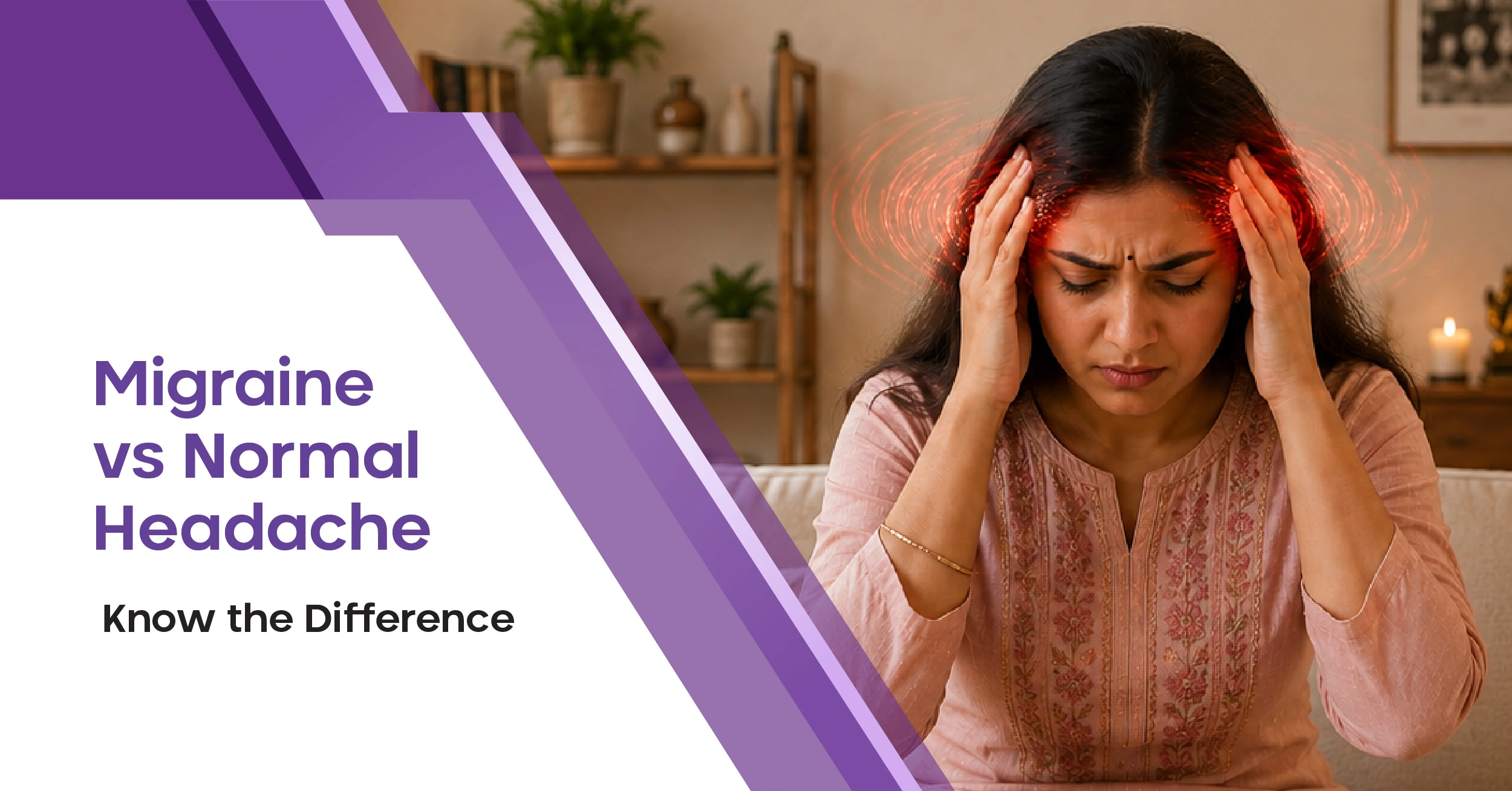
If you are unsure whether recurring head pain is migraine or another type of headache, understanding the migraine vs normal headache can help you recognise differences that may need medical evaluation.
What causes migraine attacks?
There is no single cause of migraine. A combination of genetic susceptibility and environmental factors may contribute. The factors that trigger an attack can also vary between individuals.
Common triggers include:
- Irregular or insufficient sleep
- Skipping meals
- Dehydration
- Stress
- Bright or flashing lights
- Strong smells
- Alcohol
- Excessive caffeine or changes in caffeine intake
- Hormonal fluctuations
- Certain foods in some individuals
- Changes in weather or routine
Keeping a headache diary can help identify personal patterns. Recording when an attack starts, how long it lasts, possible triggers, associated symptoms and medicines taken can give your doctor useful information when planning treatment.
When should you see a doctor?
Occasional headaches may not require specialist treatment, but recurring or disruptive attacks should be evaluated. Consider consulting a doctor if headaches are becoming more frequent, changing in pattern, interfering with work or sleep, or requiring frequent pain medication.
A neurological evaluation may also be appropriate when headaches occur with unusual symptoms such as repeated vomiting, visual changes, numbness, tingling, dizziness, or difficulty speaking. These symptoms do not automatically mean that something serious is happening, but they should be assessed rather than self-diagnosed.
How is migraine diagnosed?
There is no single blood test or scan that confirms migraine. Diagnosis is generally based on the pattern of symptoms, medical history, and clinical examination. A doctor may ask about the frequency and duration of headaches, associated symptoms, triggers, medications, sleep, and family history.
Imaging, such as an MRI or CT scan, is not routinely required for every person with migraine. It may be recommended when symptoms are unusual or when the examination raises concern about another neurological condition.
What are the treatment options?
Treatment depends on how often attacks occur, their severity, and how much they affect daily life. A treatment plan may include medicines to manage an attack, preventive medicines to reduce future attacks, or both.
Acute treatment is generally taken when an attack begins. Depending on the individual, doctors may prescribe pain-relieving medicines, migraine-specific medicines, or medication for nausea. Preventive treatment may be considered when attacks are frequent, severe, or disabling.
The right migraine headache treatment should be selected by a doctor based on your symptoms and medical history rather than by repeatedly taking over-the-counter medicines. Frequent use of some pain medicines can itself contribute to medication-overuse headaches.
Lifestyle measures that may help
Medicines are only one part of migraine management. Regular sleep, adequate hydration, consistent meals, physical activity, and stress management can help some people reduce attacks. Identifying and avoiding personal triggers may also be useful.
During an attack, resting in a quiet, dark environment and maintaining hydration may help with symptoms. These measures should complement, rather than replace, medical treatment when attacks are frequent or severe.
When is a headache an emergency?
A sudden, extremely severe headache that reaches peak intensity quickly needs urgent medical attention. Emergency assessment is also important when a headache occurs with weakness or numbness, difficulty speaking, confusion, seizures, double vision, loss of vision, fever with a stiff neck, or after a head injury.
Do not assume that sudden neurological symptoms are simply part of a migraine, particularly if they are new or different from previous attacks.
Migraine care at Sri Ramakrishna Hospital
Sri Ramakrishna Hospital’s Department of Neurology provides evaluation and treatment for headache and migraine conditions along with other neurological disorders.
The hospital’s neurological services include clinical evaluation and diagnostic support for neurological conditions. For patients seeking neurology care for migraine, consultation can help determine whether recurring headaches are consistent with migraine and what management approach may be appropriate.
Take the next step
Migraines can often be managed with the right combination of medical treatment, trigger identification, and healthy daily habits. If your headaches are recurring, becoming more severe or affecting your routine, consult a qualified doctor rather than relying on repeated self-medication.
For sudden or severe headaches accompanied by neurological symptoms, seek emergency medical care immediately.