Many people still use HIV and AIDS interchangeably, but they are not the same. Knowing the difference helps reduce unnecessary fear, promotes timely testing, and empowers individuals living with HIV to maintain long, healthy lives.
By understanding how HIV works, what its symptoms look like, how it progresses, and the signs that HIV is becoming AIDS, we can approach the condition with knowledge instead of fear. With the availability of expert care and world-class facilities, early diagnosis and management are more effective than ever.
What is HIV?
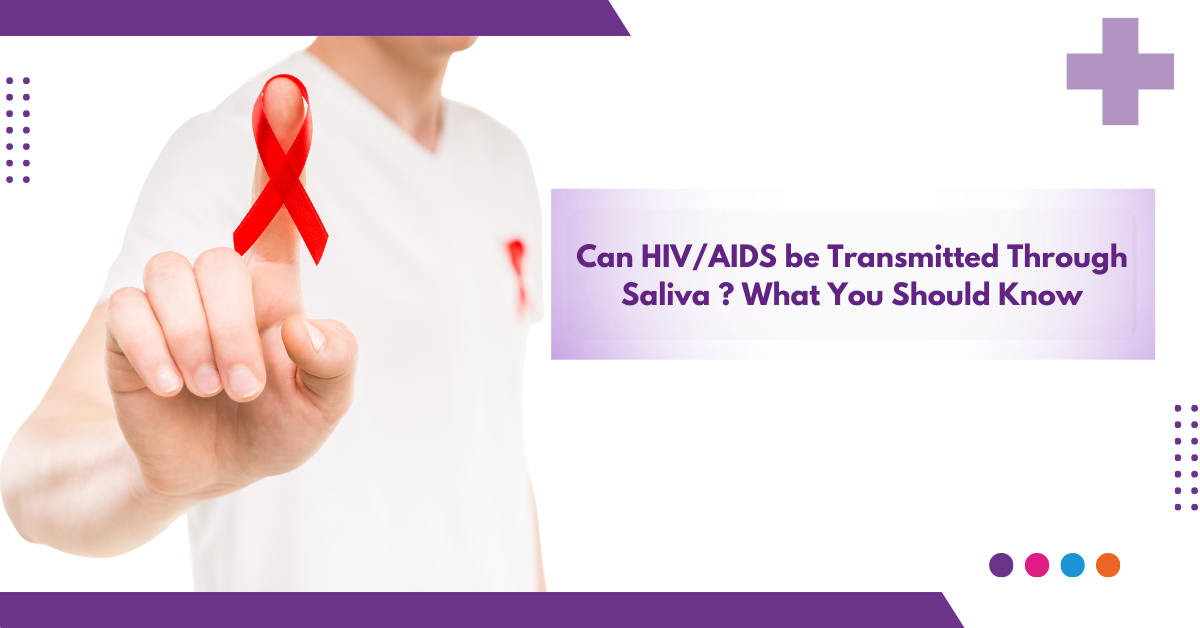
HIV (Human Immunodeficiency Virus) is a virus that targets the body’s immune system, especially the CD4 cells responsible for fighting infections.
Someone living with HIV may not show symptoms for a long time, but the virus continues to grow and gradually weaken their immunity.
How does HIV spread?
HIV is transmitted through:
- Unprotected sexual contact
- Sharing contaminated needles
- Transfusion of infected blood
- From mother to child during childbirth or breastfeeding
How does HIV not spread?
These myths create stigma, so it’s important to clear them:
- Not through hugging, handshakes, or sharing food
- Not through mosquitoes
- Not through sweat or tears
- Not by touching objects used by a person with HIV
Understanding these points helps reduce harmful misconceptions.
What is AIDS?
AIDS (Acquired Immunodeficiency Syndrome) isn’t a virus—it’s an advanced stage of HIV infection. It is the advanced stage of untreated or poorly treated HIV, where the immune system becomes severely compromised.
A person is diagnosed with AIDS when:
CD4 count falls below 200 cells or when they develop serious infections known as “opportunistic infections”
With timely treatment, many people living with HIV never progress to AIDS.
Why do few people with HIV develop AIDS?
If HIV isn’t treated, it can progress to AIDS in about 10 years. Many studies show that women may reach this stage faster than men.
HIV gradually weakens the immune system, making it harder for the body to fight infections and prevent certain types of cancer.
However, with today’s treatments, people living with HIV can stay healthy. When the medicines are taken regularly as prescribed, they keep the virus under control, protect the immune system, and greatly reduce the chances of developing AIDS.
Did you know? HIV is one of the most preventable diseases yet due to lack of awareness cases are still being reported. According to the World Health Organization (WHO), a total of 40.8 million are living with HIV.
Which early signs of HIV should you pay attention to?
Many people do not show noticeable symptoms, making early testing essential.
However, 2–4 weeks after exposure, some experience Acute Retroviral Syndrome, which feels like a flu.
Common HIV Symptoms (Early Stage)
- Fever
- Headache
- Fatigue
- Sore throat
- Rash
- Swollen lymph nodes
- Muscle pain
- Mouth ulcers
These resemble common illnesses, which is why HIV often remains undetected. Getting yourself checked by Coimbatore’s general doctor can help in early diagnosis and effective management of HIV.
What are the stages of HIV infection?
Stage 1:
Some people develop flu-like symptoms within a month or two after contracting HIV. These signs usually disappear on their own within a week to a month.
The symptoms include:
- High fever
- Rash
- Swollen glands
- Severe fatigue
- Night sweats
This stage lasts a few weeks, and many people mistake it for viral fever.
Stage 2:
Once the early phase passes, a person can live with HIV for many years without any noticeable symptoms. However, it’s important to remember that the virus can still be passed to others even when you feel completely fine.
The possible symptoms:
Many people don’t notice any symptoms at all, though some may experience:
- Mild fatigue
- Recurrent infections
- Lymph node swelling
This stage is dangerous because people feel fine but remain infectious.
Stage 3
AIDS represents the final and most severe stage of HIV infection. At this point, the immune system becomes severely weakened, making opportunistic infections far more likely to cause serious illness.
Signs that HIV is progressing to AIDS:
These symptoms indicate that the immune system has been significantly damaged:
- Unexplained weight loss
- Persistent fever
- Chronic diarrhea
- Frequent infections
- Night sweats
- Long-lasting fatigue
- Skin blotches
- Breathing problems
- Oral thrush
- Memory loss
- Neurological disorders
This stage often requires immediate medical attention. If you’re from Coimbatore consider visiting the best general hospital in Coimbatore to see prompt care and diagnosis.
Myths About HIV/AIDS: What People Still Get Wrong — Understanding the Facts Behind the Fears
Myth 1: HIV has no treatment and means fatality.
Fact: This is one of the biggest misconceptions. Thanks to modern antiretroviral therapy (ART), people with HIV can live long, healthy, and fulfilling lives.
Myth 2: HIV spreads through touch
Fact: HIV does not spread through hugging, shaking hands, sharing utensils, or being around someone with HIV. The virus cannot survive outside the human body for long and is not transmitted through casual contact.
Myth 3: Only certain people get HIV
Fact: HIV does not target any one group. Anyone—regardless of gender, age, sexual orientation, marital status, or lifestyle—can acquire HIV if exposed.
Myth 4: HIV-positive mothers cannot have children
Fact: With the right treatment and medical guidance, HIV-positive mothers can safely give birth to HIV-negative babies.
Myth 5: You can tell someone has HIV just by looking at them
Fact: HIV has no unique physical appearance. Most people with HIV look completely healthy, especially when on treatment.
What options does modern medicine offer in HIV treatment?
HIV treatment has transformed significantly over the years. What was once a life-threatening condition can now be managed effectively with the right medical care. Today, people living with HIV can enjoy long, healthy, and meaningful lives when they stay consistent with treatment and follow medical advice.
1.Antiretroviral Therapy (ART)
ART is the cornerstone of HIV treatment. It involves taking a combination of medications that work together to:
- Decreases the amount of virus in the blood (viral load)
- Improve and maintain CD4 cell count
- Lower the risk of transmitting HIV to others
- Prevent HIV from progressing to AIDS
Taking ART every day as prescribed is crucial. Skipping doses may allow the virus to become resistant, which can make the treatment less effective and restrict future medication options. Staying consistent helps keep the immune system strong and the virus under control.
2.Preventive Medicines: PrEP and PEP
Modern medicine also offers preventive options for people who may be at risk of HIV:
PrEP (Pre-Exposure Prophylaxis): A daily medication for people with a higher risk of exposure. When taken regularly, it dramatically reduces the chance of contracting HIV.
PEP (Post-Exposure Prophylaxis): A short-term treatment taken after a potential exposure. It must be started within 72 hours to be effective, making immediate medical attention essential.
These preventive medicines help protect individuals and reduce the spread of HIV in the community.
3. Managing Co-infections
People with HIV may be more vulnerable to infections such as tuberculosis, hepatitis, pneumonia, and certain cancers—especially if their immune system is weakened. General Medicine specialists play a critical role in diagnosing, treating, and preventing these conditions. Early detection and coordinated care significantly improve health outcomes.
What are the preventive tips for HIV?
Protecting yourself from HIV is completely possible with the right awareness and safe practices. Here are some effective ways to reduce your risk:
Practice Safe Sex
- Use condoms every time you engage physical intercourse.
- Choose high-quality, latex or polyurethane condoms
Avoid Sharing Needles or Razor Blades
- Never share needles for injections, tattoos, or piercings.
- Even a small amount of infected blood can transmit HIV.
Ensure Safe Blood Transfusions
- Only receive blood from licensed, well-screened blood banks.
- Hospitals with strict screening protocols significantly reduce risk.
Practice Safe Pregnancy and Breastfeeding Measures
- HIV-positive mothers can safely give birth to HIV-negative babies with proper medical care.
- Regular check-ups, ART treatment, and doctor-guided breastfeeding decisions are essential.
Treat Sexually Transmitted Infections (STIs) Promptly
- Untreated STIs increase the risk of HIV transmission.
- Seek early medical attention if you notice symptoms like sores, discharge, or itching.
Get Educated and Spread Awareness
- Misinformation leads to stigma and risk.
- Learning the facts about HIV helps you protect yourself and others.
Maintain Strong Immunity
- A healthy lifestyle supports immune system function.
- Eat balanced meals, exercise regularly, avoid smoking, and limit alcohol.
Visiting experienced physicians—such as the Best General Physician in Coimbatore—can help you stay informed and protected.
Important Takeaway
HIV/AIDS may be a global health challenge, but today, it is far from the hopeless diagnosis it once was. With modern treatments, timely testing, and consistent medical care, people living with HIV can lead long, healthy, and empowered lives. What truly makes a difference is awareness—knowing how the virus spreads, understanding prevention methods, and busting harmful myths that fuel stigma.