In today’s world, skin cancer has been rapidly growing and also it is one of the most commonly reported cancers. That being said, it is also one of the highly preventable cancers. While genetics and lifestyle play a role, UV exposure remains the leading preventable cause of skin cancer according to the World Health Organization (WHO). Understanding the UV index—a simple daily measurement often ignored—can make a significant difference in protecting your skin and lowering cancer risk.
Let’s explore why the UV index matters, how UV rays damage the skin, and what steps you can take for effective UV protection for skin.
What Is the UV Index?
The UV index is an international standard that measures the strength of ultraviolet (UV) radiation from the sun at a specific place and time. It helps people understand how intense UV rays are and how quickly skin damage can occur.
The scale typically ranges from:
- 0–2: Low risk
- 3–5: Moderate risk
- 6–7: High risk
- 8–10: Very high risk
- 11+: Extreme risk
As the UV index increases, the chance for UV exposure skin cancer also rises—especially without proper protection.
What Types of UV Rays Reach the Skin?
Sunlight emits different types of UV rays, but the two most harmful to human skin are:
UVA rays:
- Penetrate deep into the skin
- Cause premature ageing, wrinkles, and DNA damage
- Play a significant role in melanoma
UVB rays:
- Affect the outer layer of skin
- Cause sunburns
- Directly damage DNA and lead to skin cancer
Both UVA and UVB contribute to skin cancer, making daily protection essential.
How Does UV Exposure Lead to Skin Cancer?
When the skin is repeatedly exposed to UV rays, the DNA inside skin cells becomes damaged over time. Over time, this damage accumulates, leading to abnormal cell growth and cancer.
Major effects of prolonged UV exposure:
- DNA mutations in skin cells
- Suppressed immune response in the skin
- Increased risk of melanoma and non-melanoma skin cancers
- Faster ageing of skin
Even short, intense sun exposure, especially during high UV index hours—can increase the risk of UV exposure skin cancer.
How Does the UV Index Help You Make Safer Choices?
The UV index serves as an early warning system. It tells you:
- When sun exposure is most dangerous
- How quickly sunburn can occur
- When extra UV protection for skin is needed
Ignoring the UV index often leads to unprotected exposure during peak hours, increasing long-term skin cancer risk.
Is Skin Cancer Only a Risk During Summer?
- No. This is a common misconception.
- UV rays are present year-round
- Cloud cover blocks heat, not UV radiation
- UV exposure increases at high altitudes and near reflective surfaces like water and concrete
In cities like Coimbatore, where sunlight is strong for most of the year, monitoring the UV index daily is crucial.
Who Is Most at Risk from UV Exposure?
While anyone can develop skin cancer, higher-risk groups include:
- People with fair or sensitive skin
- Individuals with frequent outdoor exposure
- Those with a family history of skin cancer
- People with a history of sunburns
- Children and older adults
For high-risk individuals, regular check-ups at the Best Cancer Hospital in Coimbatore are strongly advised.
How Can Monitoring the UV Index Reduce Skin Cancer Risk?
Practical benefits of checking the UV index include:
- You can plan outdoor activities safely
- You know when to apply stronger sunscreen
- You reduce cumulative UV damage
- You lower the chances of skin cancer development
Small daily habits, guided by the UV index, can have lifelong protective effects.
What Are the Best UV Protection Tips for Skin?
Effective UV protection for skin is not achieved through a single method. Instead, it requires a combination of smart habits that work together to minimise harmful UV rays and reduce the long-term risk of skin cancer. Since UV exposure accumulates over time, consistent daily protection is essential—regardless of age, skin tone, or season.
Sunscreen Use: Your First Line of Defence
Sunscreen plays a crucial role in shielding the skin from both UVA and UVB rays.
Choose broad-spectrum sunscreen: This ensures protection against UVA rays that cause premature ageing and UVB rays responsible for sunburns and DNA damage.
Use SPF 30 or higher: SPF 30 blocks about 97% of UVB rays, while higher SPFs offer slightly increased protection, especially for prolonged outdoor exposure.
Apply generously: Most people use far less sunscreen than required. Adults need to follow the three-finger rule to cover the face and neck.
Reapply every 2–3 hours: Sunscreen wears off due to sweat, swimming, and friction, making regular reapplication critical.
Don’t be fooled by cloudy skies: up to 80% of harmful UV rays can still pass through clouds and damage your skin.
Regular sunscreen use significantly lowers the risk of UV exposure skin cancer when used correctly and consistently.
Protective Clothing: Physical Barriers Matter
Clothing provides one of the most reliable forms of UV protection.
Long-sleeved shirts and full-length trousers: These reduce the amount of skin directly exposed to UV rays.
Tightly woven fabrics: Denser fabrics block more UV radiation compared to loosely woven materials.
Wide-brimmed hats: These protect vulnerable areas such as the face, ears, neck, and scalp, which are common sites for skin cancer.
UV-blocking sunglasses: Eyes and the surrounding skin are also vulnerable to UV damage. Certified UV400 sunglasses protect against cataracts and skin cancers around the eyes.
Many modern garments come with a UPF (Ultraviolet Protection Factor) rating, offering enhanced UV protection for skin during prolonged outdoor activities.
Timing Outdoor Activities: Avoid Peak UV Hours
The sun’s UV radiation is strongest during certain times of the day.
Avoid direct sun exposure between 10 a.m. and 4 p.m.: This is when the UV index is usually at its highest.
Plan outdoor activities early morning or late evening: UV rays are less intense during these hours, reducing the risk of skin damage.
Seek shade whenever possible: Trees, umbrellas, and covered areas significantly reduce direct UV exposure, especially during high UV index periods.
Being mindful of timing helps prevent sudden, intense exposure that contributes to skin cell damage and increases skin cancer risk.
Avoid Tanning: There Is No Such Thing as a Safe Tan
Tanning—whether outdoors or in tanning beds—causes direct harm to the skin.
Tanning beds emit concentrated UV rays: These can be even more damaging than natural sunlight.
Artificial UV exposure accelerates DNA damage: This dramatically increases the risk of melanoma and other skin cancers.
A tan is a sign of skin injury: Skin darkening occurs as a defence mechanism after DNA damage has already begun.
Avoiding tanning altogether is one of the most effective steps in preventing UV exposure skin cancer.
Why Combining These Strategies Is Essential?
No single method offers complete protection. Sunscreen, clothing, shade, and behavioural changes work best when used together. Consistent UV protection for skin not only lowers the risk of skin cancer but also prevents premature ageing, pigmentation, and long-term skin damage.
In sun-intense regions, adopting these protective habits daily can significantly reduce the need for future medical intervention and improve overall skin health.
Can Children Be Affected by UV Exposure?
Yes. In fact, childhood sun exposure has a strong link to skin cancer later in life.
- Just one blistering sunburn in childhood can significantly increase the chances of melanoma in adulthood.
- Because children’s skin is more delicate, it is especially vulnerable to harm from UV rays.
Teaching sun-safe habits early is one of the most effective ways to prevent skin cancer.
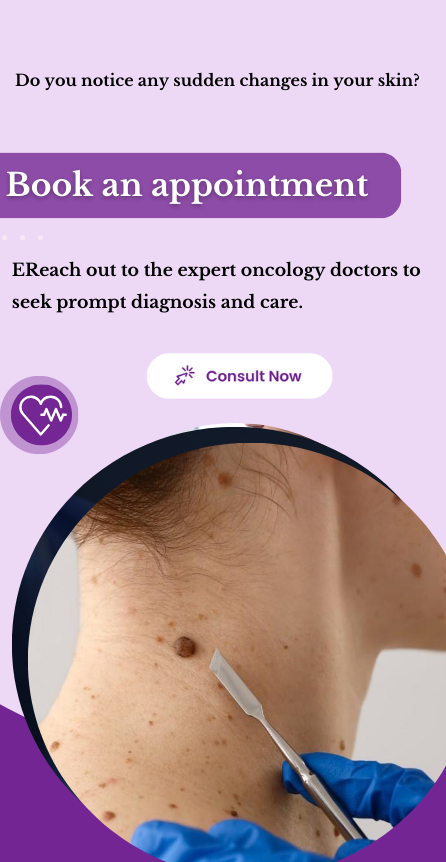
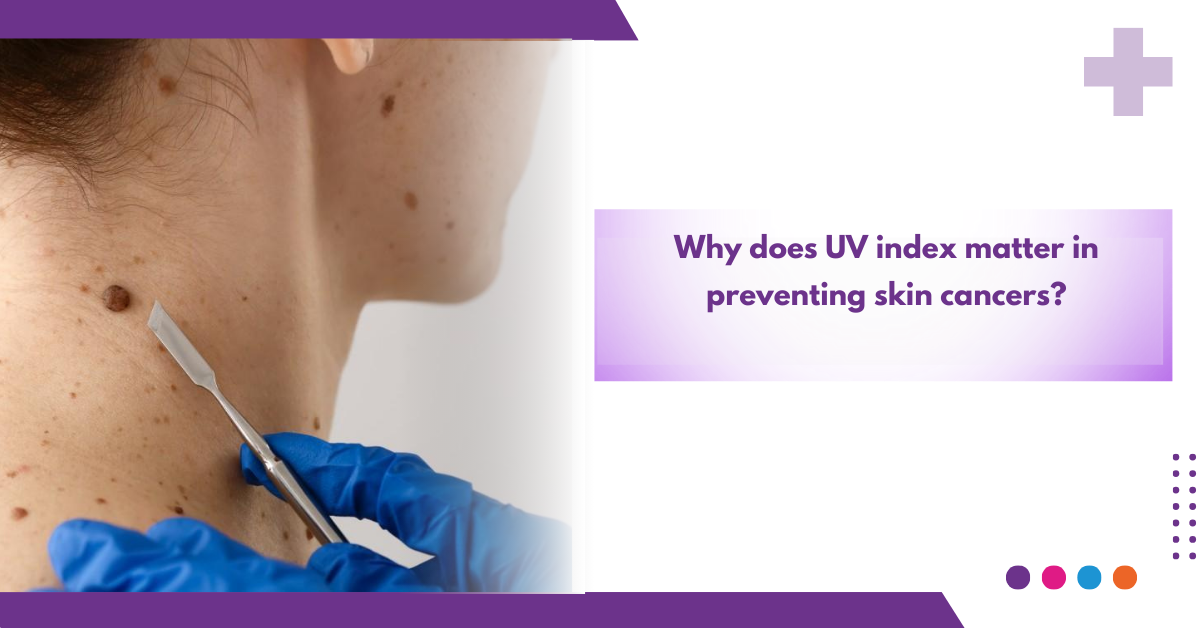
What Are the First Warning Signs of Skin Cancer to Watch For?
Early detection in cancer can help save lives. Look out for:
- New or changing moles
- Asymmetry in skin lesions
- Irregular borders or uneven colours
- Persistent itching, bleeding, or sores
If you notice any suspicious skin changes, consult the Best Cancer Doctor in Coimbatore without delay.
When should you consult the skin specialist?
You should seek expert consultation if:
- You notice suspicious skin changes
- You or a close family member has been diagnosed with skin cancer
- You experience repeated sunburns
- You have prolonged UV exposure due to work or lifestyle
Early consultation with the Best Cancer Doctor In Coimbatore can prevent disease progression and improve survival rates.
Can Skin Cancer Be Completely Prevented?
While no method guarantees complete prevention, following UV-safe practices can drastically reduce risk:
- Monitor the UV index daily
- Practice consistent UV protection for skin
- Avoid intentional tanning
- Get regular skin check-ups
Prevention starts with awareness—and the UV index is one of the simplest yet most powerful tools available.
Important Takeaway: Why the UV Index Should Never Be Ignored
The UV index is more than just a weather statistic—it is a daily health guide. Understanding its importance empowers you to protect your skin, reduce UV damage, and lower the risk of UV exposure skin cancer.
With rising skin cancer rates, especially in sun-rich regions like Tamil Nadu, proactive sun protection and early medical consultation are essential. Regular monitoring, preventive habits, and expert care from expert skin doctors can make all the difference.
Your skin remembers every sun exposure. Make sure it remembers protection—not damage.