There are many contraceptive methods available today, but choosing the right one may feel devastating, especially when you are flooded with multiple pieces of information online and old fashioned myths spread by everyone who gives you unproven tips. These could make you worry that these contraceptive methods might affect your pregnancy in the long run.
But every woman deserves obvious and medically proven information about methods such as an intrauterine device from a trusted expert, such as Coimbatore’s top gynaecologist, to make the right decision with no worry about any side effects in the future.
Whether this is your first time using contraceptive methods, you want hassle free contraception that does not affect your lifestyle, or you are considering IUD insertion, then this blog brings to you the common myths debunked by Coimbatore’s top gynecologists.
What Is an IUD?
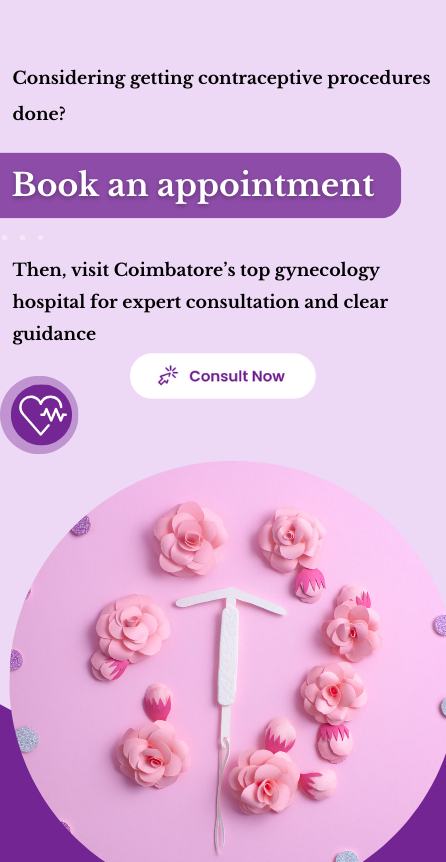
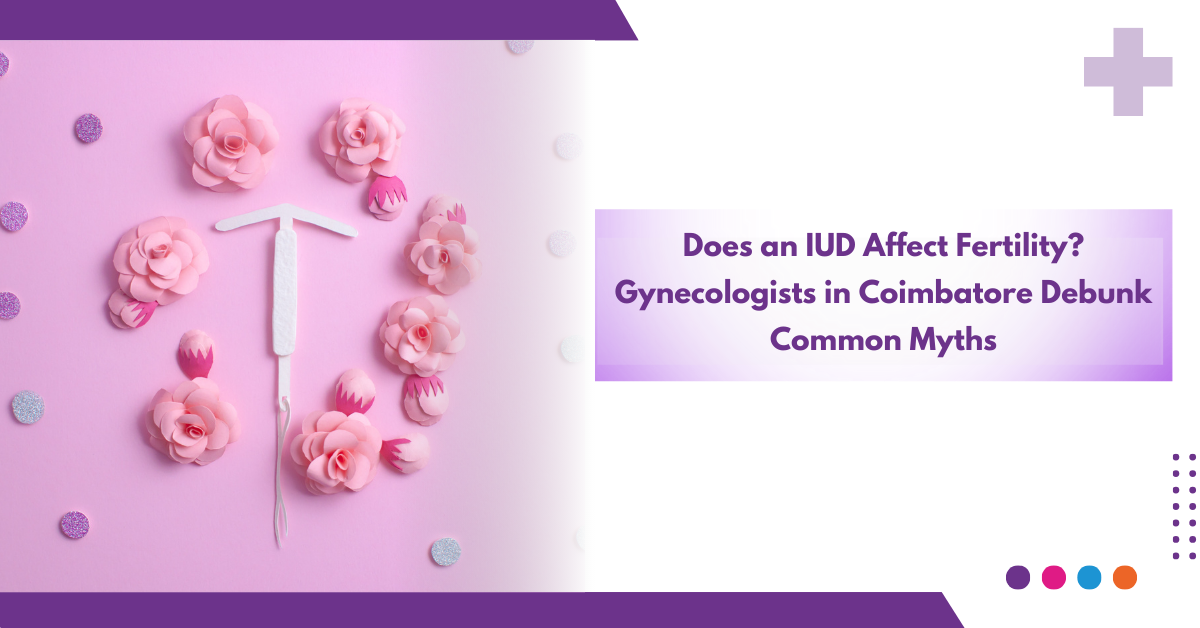
An IUD, or intrauterine device, is one of the highly effective methods of a reversible type of birth control that is available today. This is a small, T-shaped, safer, and more comfortable device, designed especially for those who are looking for contraceptive methods. It is a 1.25 inch long device that fits into the uterus comfortably and does not disrupt your intimacy, work, exercises, or other regular activities.
As stated by the World Health Organization (WHO), IUDS offer many years of contraception and are appropriate for women of all ages. Depending on the type, if IUD insertion is done once, then it will remain more efficient for many years than other contraceptive methods. Doctors usually recommend IUD insertion instead of pills or other short term approaches because IUD insertion provides constant protection with minimum maintenance.
IUD insertion works well for women who would like contraceptive methods with no stress. Though IUDs have evolved and are highly effective, many women still hesitate to use them because of some outdated myths. So, let’s know how it works.
How Does An IUD Contraceptive Work?
An intrauterine device works by changing the environment within the uterus to prevent conception. This device works only inside the reproductive system without affecting your whole body. It is one of the best contraceptive methods comparatively because it importantly works in the following methods:
- Blocks Sperm Movement: The IUD insertion creates an environment that makes it impossible or slows down the sperm from reaching the egg.
- Thick Cervical Mucus: This thick mucus prevents the sperm from reaching the egg, making fertilization difficult.
- Works Persistently: Once done, an IUD insertion will be effective for a long term, providing protection without daily effort.
- Alters The Environment Of The Uterus: The uterus lining will restrict pregnancy.
- Totally Reversible: When the IUD device is removed, the fertility will return.
One of the undeniable facts about an intrauterine device is that it is totally reversible. When a woman becomes ready to get conceive, a gynecologist will help remove the device with just a simple procedure. When it is removed, the woman’s fertility will return to normal naturally.
This is what top gynecologists in Coimbatore stress about, which is that IUD insertion never affects fertility health permanently. When used correctly under medical guidance, IUD insertion can help prevent conception without affecting your fertility in the long run.
What Are The Common Myths Around IUDs?
There are many myths that surround IUDs that usually make women reluctant to choose this safer option. Let’s see the common myths around IUDs and IUD insertion.
1) IUDs Are For Women Who Already Have A Child:
Earlier medicine suggested that IUDs are only for women who already have at least one child. But, depending on each woman’s health aspects, modern gynecology supports that IUDs can also be used for women who have not had a child before.
2) IUDs Are Irreversible:
This is the most well known misconception about IUDs. But, to everyone’s surprise, there is no scientific evidence about infertility caused by an IUD insertion. Women usually get pregnant normally after removing the IUD, just like women who have never used an IUD in their lives.
3) IUDs Move To Other Body Parts:
The intrauterine device securely stays inside the uterus and does not move to other parts of the body if placed by a qualified gynecologist.
4) IUD Insertion Is Extremely Painful:
Just a mild cramp or discomfort might happen during IUD insertion, but it stays only for a short time. Women who have had this procedure usually say that IUD insertion causes less discomfort than they had expected.
Understanding these myths helps women get rid of their fears about choosing IUD insertion.
Does IUD Insertion Suit You?
An IUD contraceptive does not suit every woman. That is why consulting with a top gynaecologist in Coimbatore is vital before deciding. Deciding if IUD insertion is the right choice for you depends on your lifestyle, health history, and your pregnancy plans in the future. IUDs might suit you if you:
- Want a procedure that does not affect your daily routine with no hassle at all.
- Need long term contraceptive methods without any daily effort.
- Prefer a reversible birth control method.
- Want to postpone conceiving for a few years.
- Would like an approach that works persistently and requires no reminders.
Now, let’s see for whom IUDs are not suitable. IUD insertion is not for you in case you have:
- Unexplained bleeding in your vagina.
- Certain abnormalities in your uterus.
- Serious menstruation issues that require assessment.
- A recent or repeated infection in the pelvis.
- A history of certain fertility health disorders.
So, considering both the pros and cons, an expert can help recommend the safest option for you. To review your medical history and help you choose a suitable one out of all the contraceptive methods, it is crucial to consult an expert from Coimbatore’s best gynaecology hospital.
Can IUD Insertion Ruin Fertility?
IUD insertion is the most effective and highly reversible birth control approach. Some women have concerns that utilizing contraceptive methods such as this might affect their reproductive health. However, it is important to note that consulting a specialist before deciding will help you get clear guidance about IUD insertion and the fact that it can never ruin your pregnancy.
Does IUD Insertion Damage The Uterus?
As said earlier, uterine damage after an IUD insertion is an outdated misconception. A specialist will insert the intrauterine device without any major discomfort, and when you decide to remove it, they will remove it with a minor procedure without damaging the uterus.
Will It Be Painful After IUD Insertion?
For some women, it is normal to feel mild to moderate discomfort or cramping during IUD insertion, and it might last just for a few hours or for a few days, and it usually subsides rapidly. Most women usually return to their daily routine the next day.
Conclusion
IUD contraceptives are an effective, safe, and reversible choice that never affects fertility if done with appropriate medical guidance. The fears most women have are from the myths, and they are not facts. In case you need an IUD insertion, then seeking assistance from experienced specialists can help you make the right choice.
Proper medical guidance helps get rid of confusion and gives you relief. It is because women’s health, especially fertility health matters, and each of your contraceptive choices should always depend on accurate information, expert advice, and personal comfort rather than these old time myths.