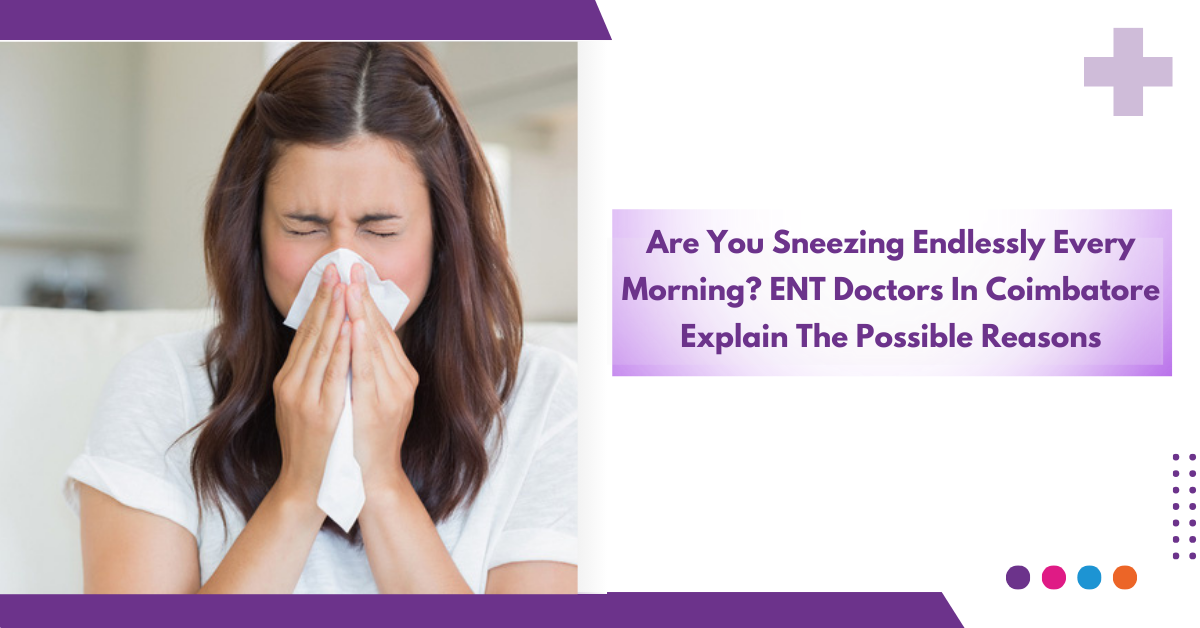
Sneezing is one of the body’s natural defense mechanisms that helps clear irritants, allergens, or tiny particles from the nasal passages. It is an involuntary and forceful expulsion of air through the nose and mouth, triggered when the lining of the nose becomes irritated. While an occasional sneeze is completely normal, frequent or repetitive sneezing, especially every morning, can be uncomfortable and concerning.
Morning sneezing often points toward environmental exposure, allergic reactions, or underlying nasal conditions that worsen after sleep. Understanding the cause is the first step toward effective management. ENT doctors explain why persistent sneezing occurs and when it should not be ignored.
What Does Frequent Sneezing Mean?
Sneezing itself is not a disease but a symptom. When it happens repeatedly, it often indicates that the nasal lining is constantly exposed to irritants or inflamed. Frequent sneezing may be associated with allergies, infections, structural nasal issues, or sensitivity to environmental factors.
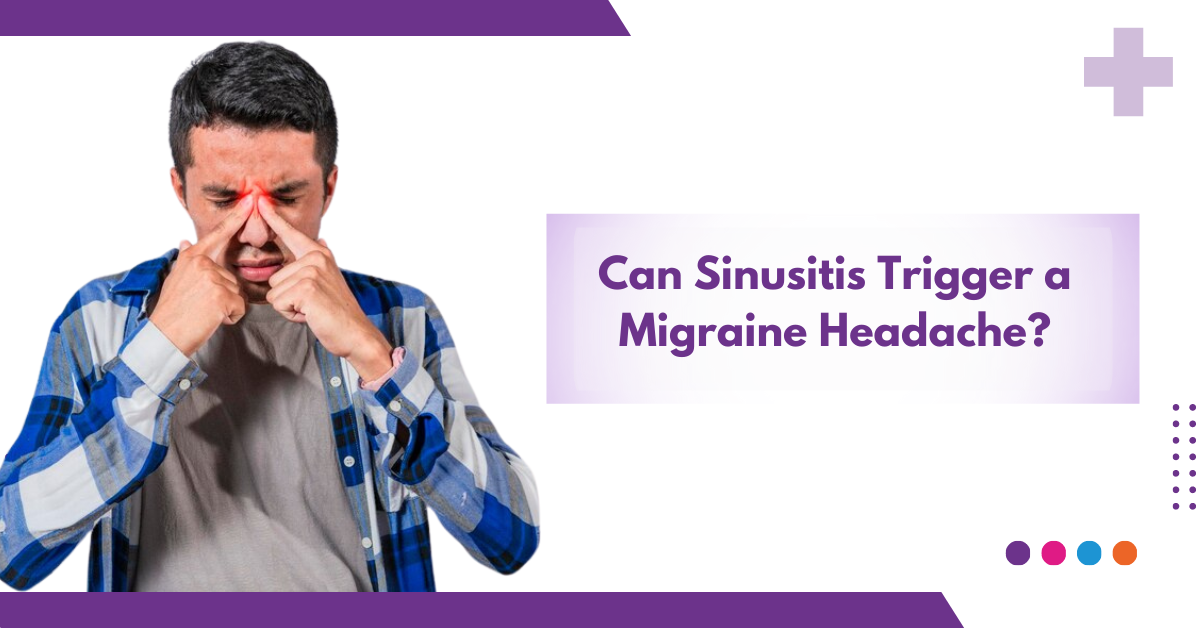
If sneezing is accompanied by symptoms such as nasal congestion, itching, watery discharge, headache, facial pressure, or fatigue, it may signal chronic inflammation of the nasal passages or sinuses. Morning episodes are especially common because allergens or irritants accumulate in the bedroom environment overnight.
What Are The Allergic Symptoms That Lead To Frequent Sneezing?
Allergies are one of the most common causes of excessive morning sneezing. When the immune system reacts to harmless substances, it releases chemicals that irritate the nasal lining. The nasal allergy symptoms include:
- Repeated sneezing soon after waking up
- Runny or blocked nose
- Itching in the nose, throat, or eyes
- Watery or red eyes
- Postnasal drip causing throat irritation
Dust mites present in pillows, mattresses, and curtains are a frequent trigger. Pollen exposure, pet hair, mold spores, and indoor pollutants can also worsen symptoms. Seasonal allergies may peak during certain months, while indoor allergies persist throughout the year. Seasonal allergies may also lead to sinusitis.
Other Common Reasons For Morning Sneezing
1. Dry Air Exposure
Sleeping in rooms with dry air, especially with air conditioning or heaters, can dry out the nasal lining. This irritation can trigger allergy sneezing immediately after waking up.
2. Sinus Inflammation
Inflamed sinuses can cause mucus buildup overnight. When you wake up and change position, this irritation may trigger repeated sneezing along with facial pressure or headache.
3. Common Cold or Viral Infections
Early stages of viral infections often cause sneezing, especially in the morning when nasal secretions accumulate.
4. Non-Allergic Rhinitis
Some individuals experience sneezing without any allergic cause. Strong smells, temperature changes, smoke, or humidity variations can irritate sensitive nasal passages.
5. Nasal Structural Issues
Conditions like a deviated nasal septum or nasal polyps can obstruct airflow, leading to irritation and frequent sneezing episodes.
What ENT Experts Emphasize About Frequent Sneezing In The Morning?
ENT specialists emphasize that persistent sneezing should not be ignored, especially if it affects daily life or sleep quality. Morning sneezing that continues for weeks may indicate chronic nasal inflammation that needs evaluation.
Experts recommend observing patterns, such as whether sneezing worsens at home, during certain seasons, or after exposure to dust or pets. They also highlight the importance of keeping sleeping environments clean and well ventilated.
ENT doctors in Coimbatore stress that early diagnosis helps prevent complications like chronic sinus problems, breathing difficulties, or sleep disturbances.
How Are The Underlying Causes Of Sneezing Treated?
Treatment depends on identifying the root cause. ENT specialists may suggest a combination of lifestyle adjustments and targeted medical care.
Lifestyle and Preventive Measures
-
- Regular cleaning of bedding, curtains, and mattresses
- Using dust-resistant pillow covers
- Maintaining proper humidity levels indoors
- Avoiding exposure to smoke, strong fragrances, and pollutants
- Ensuring proper ventilation in bedrooms
Medical Evaluation
If sneezing persists, the best ENT doctor in Coimbatore may conduct nasal examinations or recommend tests to identify allergies or structural abnormalities. Treatment plans focus on reducing inflammation, relieving nasal irritation, and preventing triggers rather than just controlling symptoms.
Early intervention can significantly improve comfort and quality of life.
When Should You See An ENT Doctor?
You should consider consulting an ENT specialist if:
- Sneezing occurs daily for several weeks
- Symptoms worsen in the morning consistently
- Sneezing is accompanied by nasal blockage, facial pain, or frequent headaches
- Sleep quality is disturbed
- Home remedies provide no relief
Timely evaluation at an ENT hospital ensures that any underlying condition is addressed before it becomes chronic.
Why do I sneeze whenever I wake up?
It may be due to dust, pollen, mites, pet dander, but also due to non-allergic irritants and temperature shift, mucus, or sinus.
How do I stop morning sneezing?
Use warm compress, saline rinse, humidifier or steam to clear the nasal cavity. Consult a ENT specialist if morning sneezing is too much.
Why are the allergies so bad in the morning?
Symptoms often worsen in the morning. It is because of too much pollen count and high exposure to indoor allergens.
Conclusion
Endless sneezing every morning is more than just a minor inconvenience, it can be a sign that your nasal passages are reacting to allergens, environmental irritants, or underlying ENT conditions. While occasional sneezing is normal, frequent episodes should prompt closer attention.
Understanding the cause and seeking expert guidance can help prevent long-term discomfort and improve overall well-being. If morning sneezing continues to interfere with your daily routine, consulting experienced doctors at the best ENT hospital in Coimbatore can help identify the cause and guide appropriate care for lasting relief.